
PSYCHE Fleur de Sel: A Finishing Salt from Messolonghi
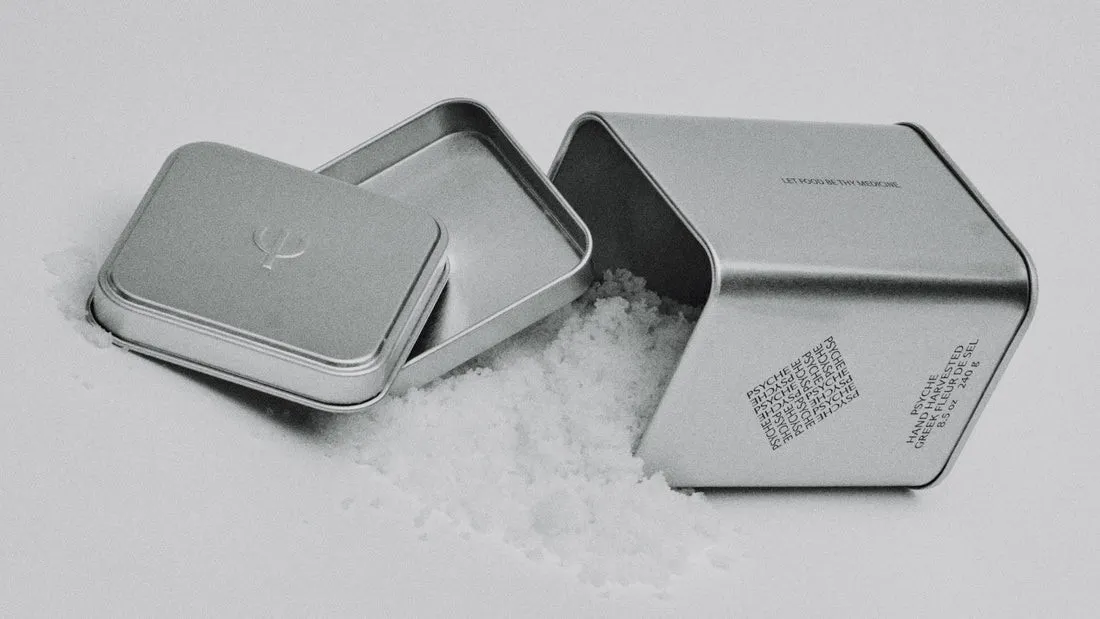
Turn the tin around and you’ll find the most useful part of the label: Messolonghi, Greece. The front says fleur de sel. The back tells you where this one comes from.
What the tin tells you
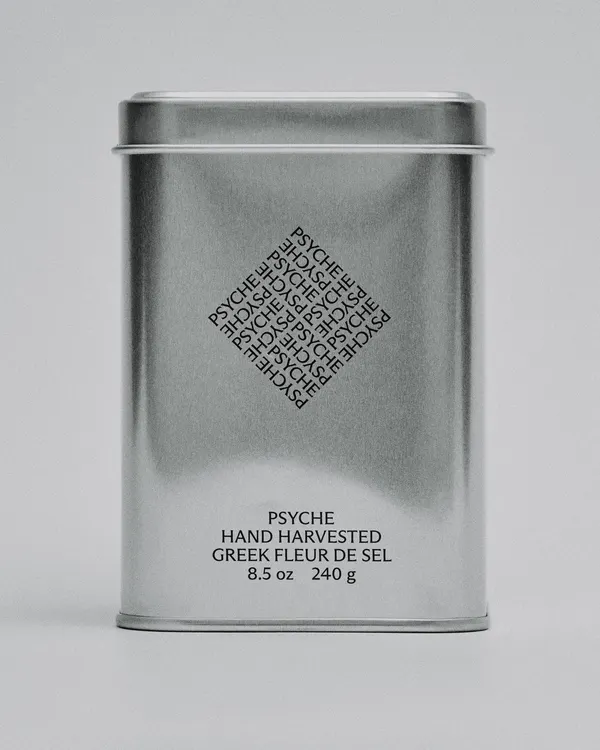
The 8.5 oz (240 g) tin lists Ionian fleur de sel as its ingredient and describes the salt as hand-harvested and unrefined. PSYCHE calls it afrina, the local name for the surface salt gathered by hand from the pans at Messolonghi in western Greece. It’s a good example of why the place name matters: fleur de sel tells you which part of the pan the salt comes from, not where the pan is.
Where we’d use it
Start with a pinch over sliced tomatoes and olive oil, grilled zucchini, or a steak just before serving. Adding it at the table gives the crystals a chance to stay intact. If you’re salting pasta water or seasoning a pot of soup, save the fleur de sel for the plate and use your everyday salt in the pot.
This is a label and sourcing note, not a Gaucho tasting. See PSYCHE’s official listing for the brand’s harvest description and current price.
Read more about finishing salt
- What is fleur de sel? — How the surface harvest differs from the salt below it.
- The Salt Guide — Compare fleur de sel, flake salt and other kinds of sea salt.
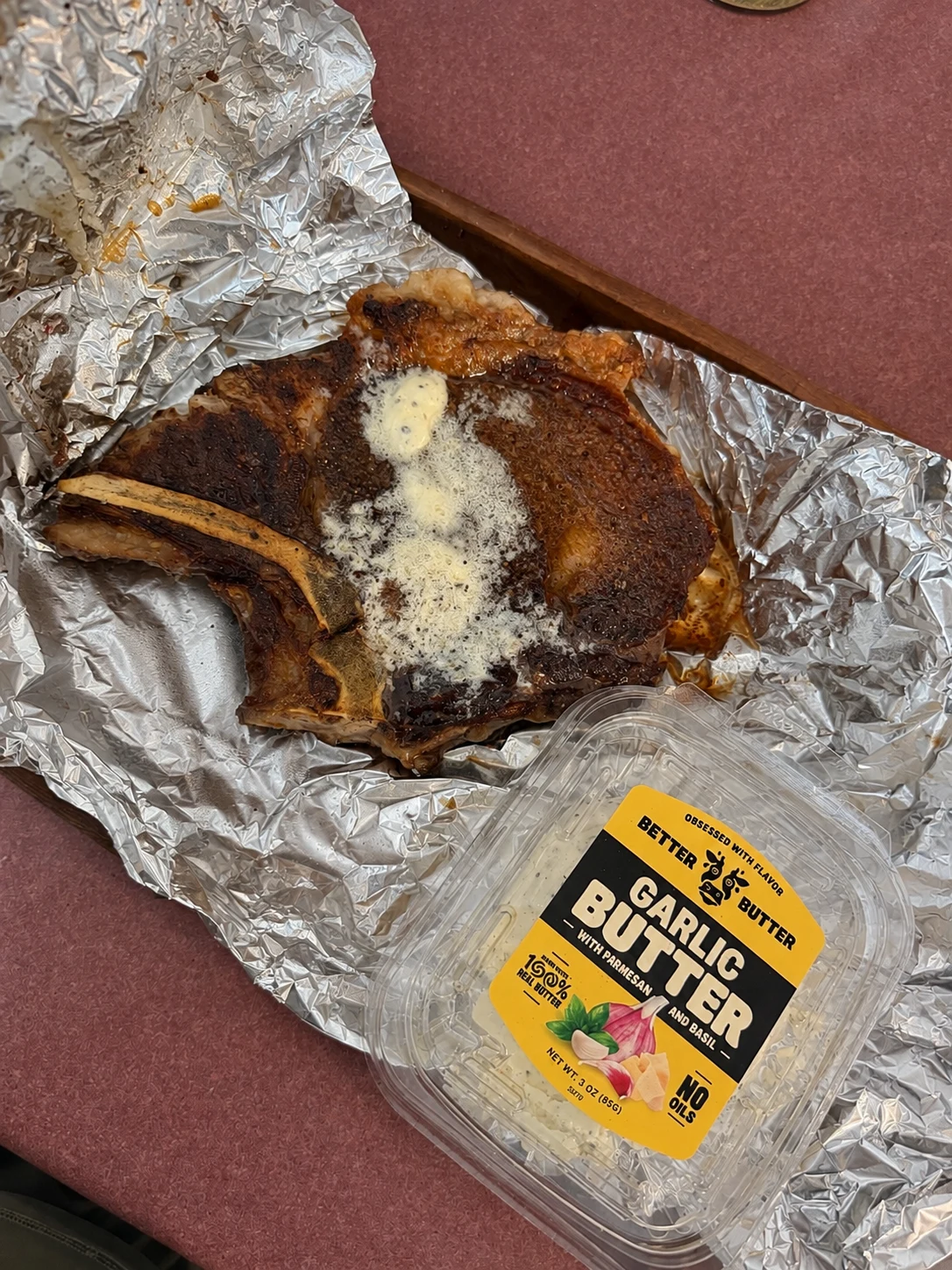
Grilled Ribeye with Truffle Salt and Garlic Butter
TRUFF Black Truffle Salt before the grill, garlic butter while the steak rested, and Patagonian sea salt flakes at the table.
Read the article →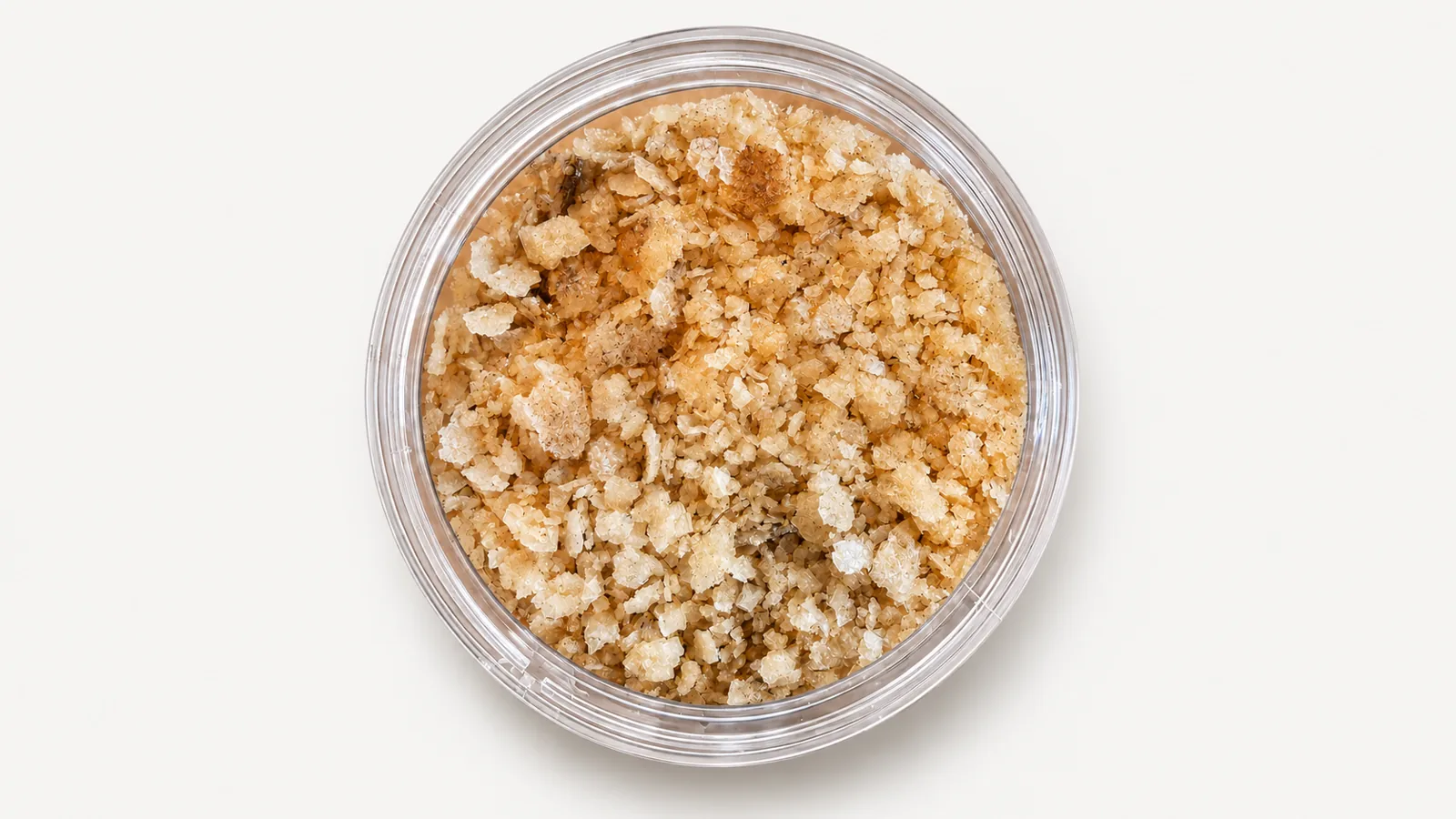
Experimenting with Smoked Salt Flakes
Delicious smoked Patagonian salt flakes, an aroma we love, and three sample jars on the table. A progress note from Gaucho Provisions; labels are next.
Read the article →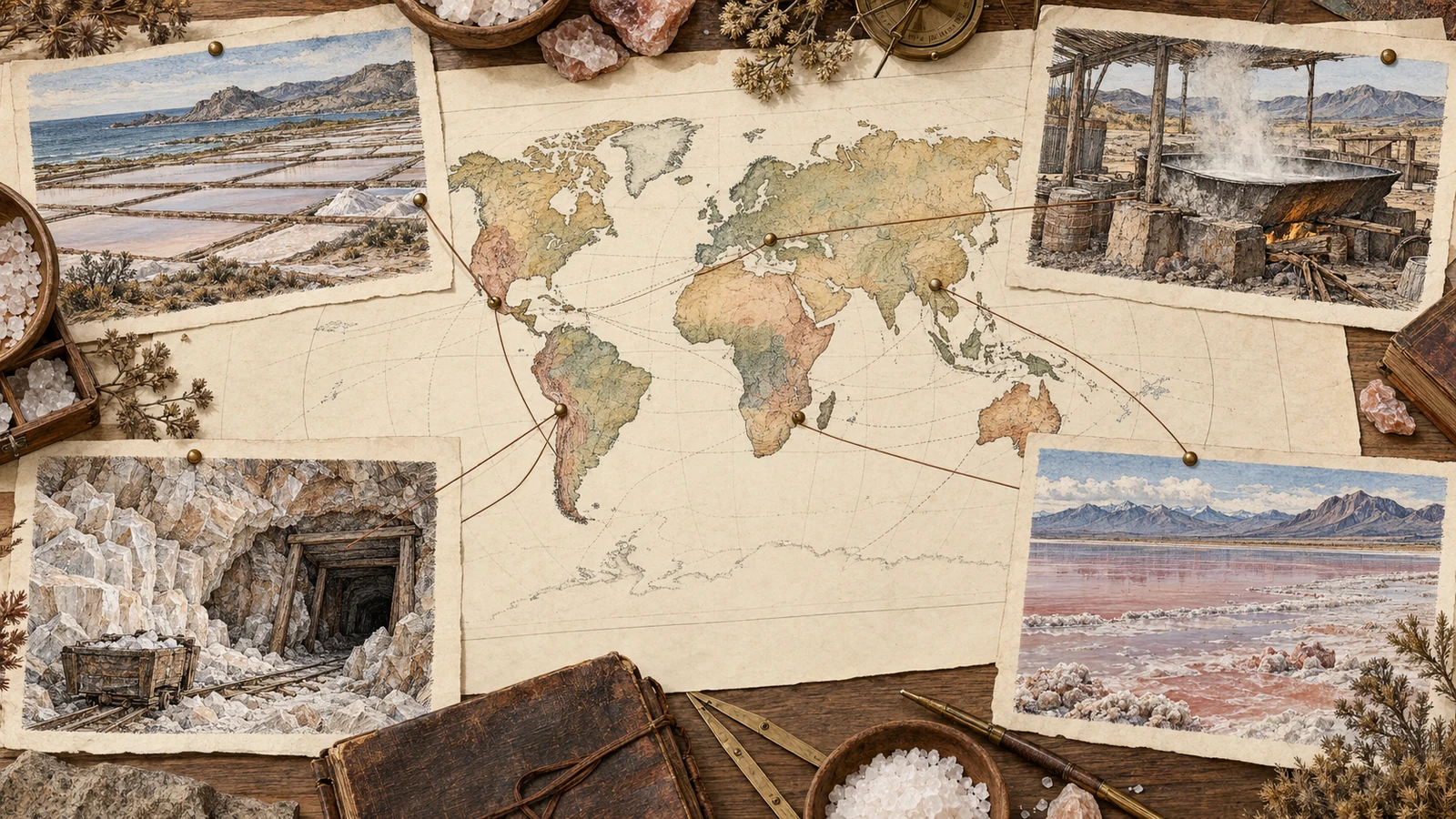
What Is Salina Sol? A Directory of the World's Saltworks
Discover the places and people behind salt, with production methods, official links and clearly attributed sources gathered in a growing worldwide directory.
Read the article →Get the next guide
An email when we publish a new salt guide or recipe, and first word when the Patagonian salts are ready to order.
We write when there is something to say, not on a schedule.