
Experimenting with Smoked Salt Flakes
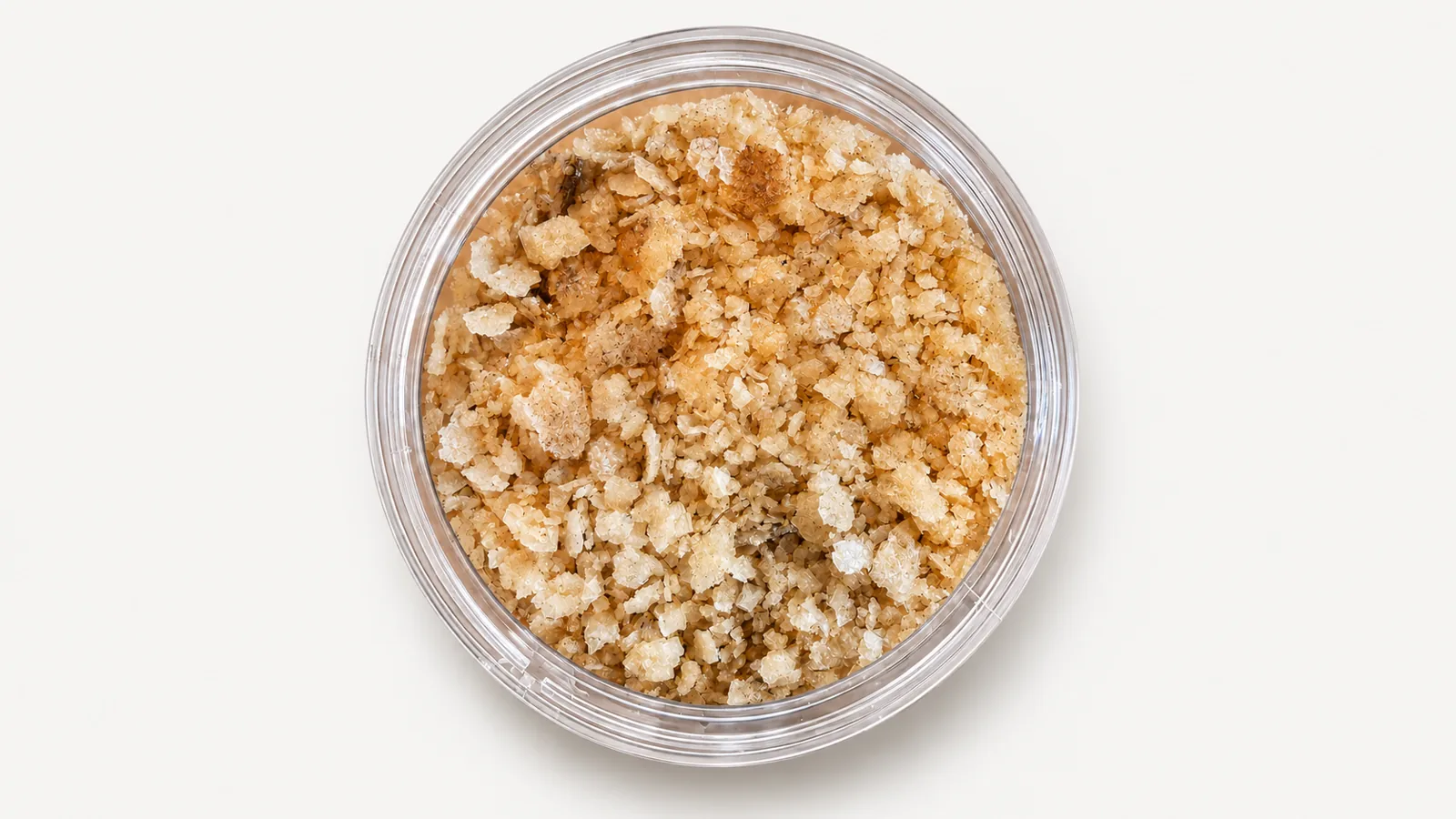
We have been experimenting with smoking Patagonian sea salt flakes, and this batch has us excited. The salt is delicious, the aroma is amazing, and the samples are finally in jars we enjoy using. Next up: the labels.
Smoked salt flakes, still in development
Some product-development days are mostly measurements and notes. This one also came with the pleasure of opening a jar and smelling the salt.
Art's verdict on the latest smoked flakes was simple: The salt comes out delicious.
He was just as enthusiastic about the aroma. That is the firsthand reaction behind these photographs, not a finished tasting panel or a promise about a product already on sale.
We are sharing this stage because it is part of building Gaucho Provisions: working with Patagonian sea salt, trying things, tasting the results, and deciding what deserves to move forward.
A jar should be easy to use
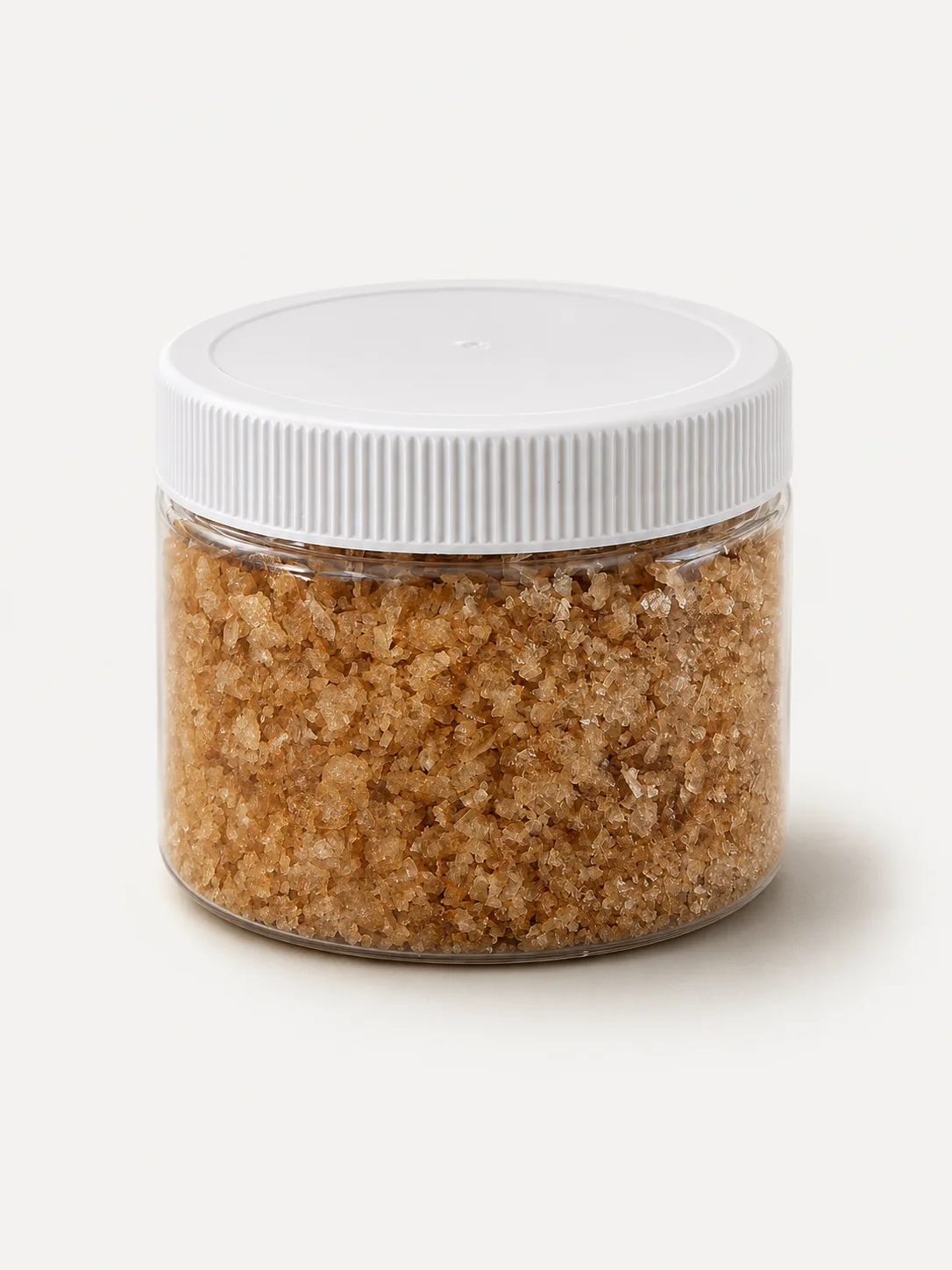
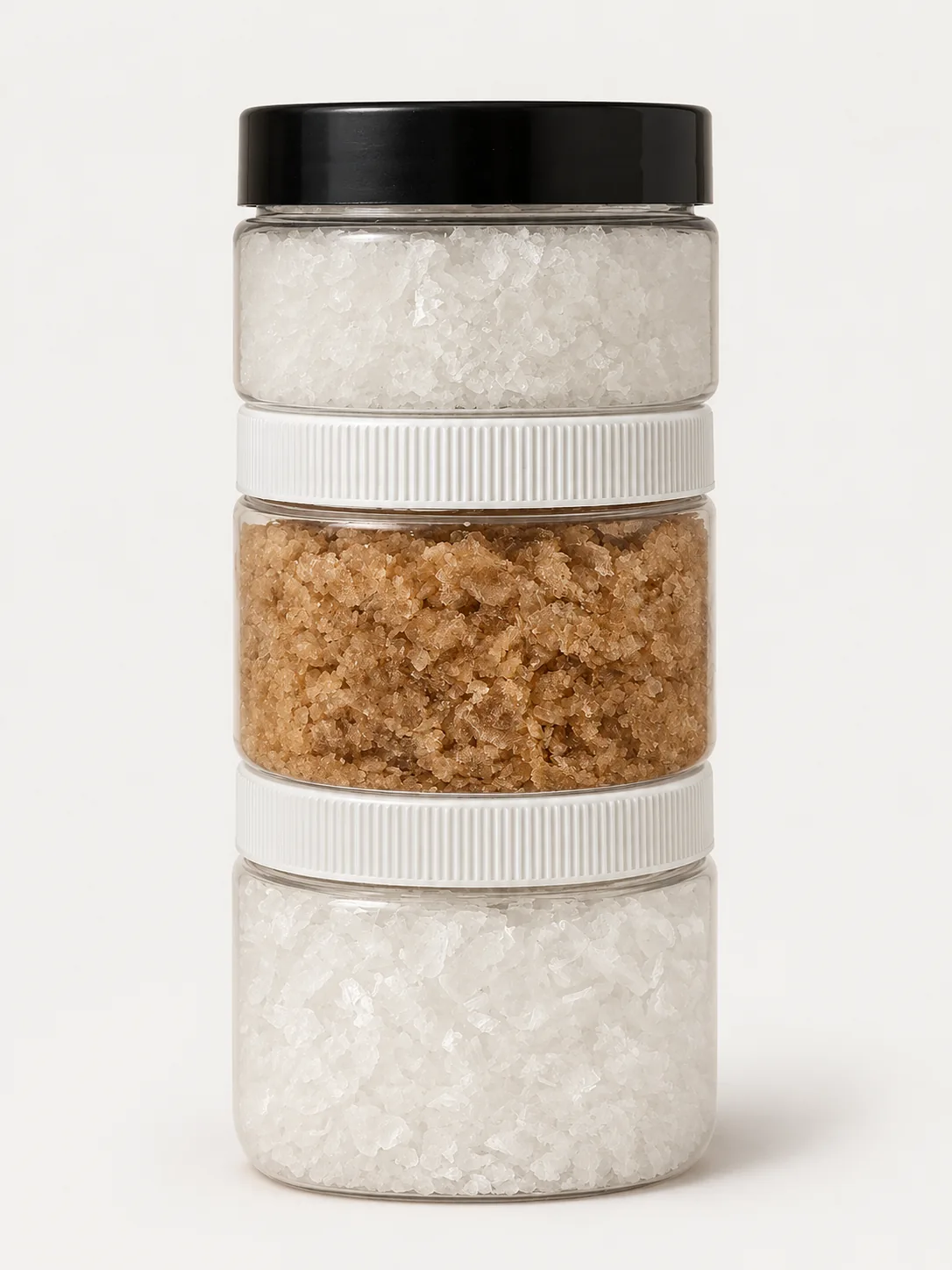
Alongside the smoking experiments, we have been trying three jar capacities: 8, 12 and 16 fluid ounces. Those are container capacities, not the net weights of salt inside.
The samples are plastic, with broad openings and a low, straight-sided shape. Art loves the size, the height and how easy it is to get the salt out. A jar that feels right in the hand matters just as much as one that looks good on a shelf.
The remaining reservation is the material. We are looking for that same practical shape in glass. These are the jars we are testing, not an announcement of our final packaging.
A closer look at the flakes
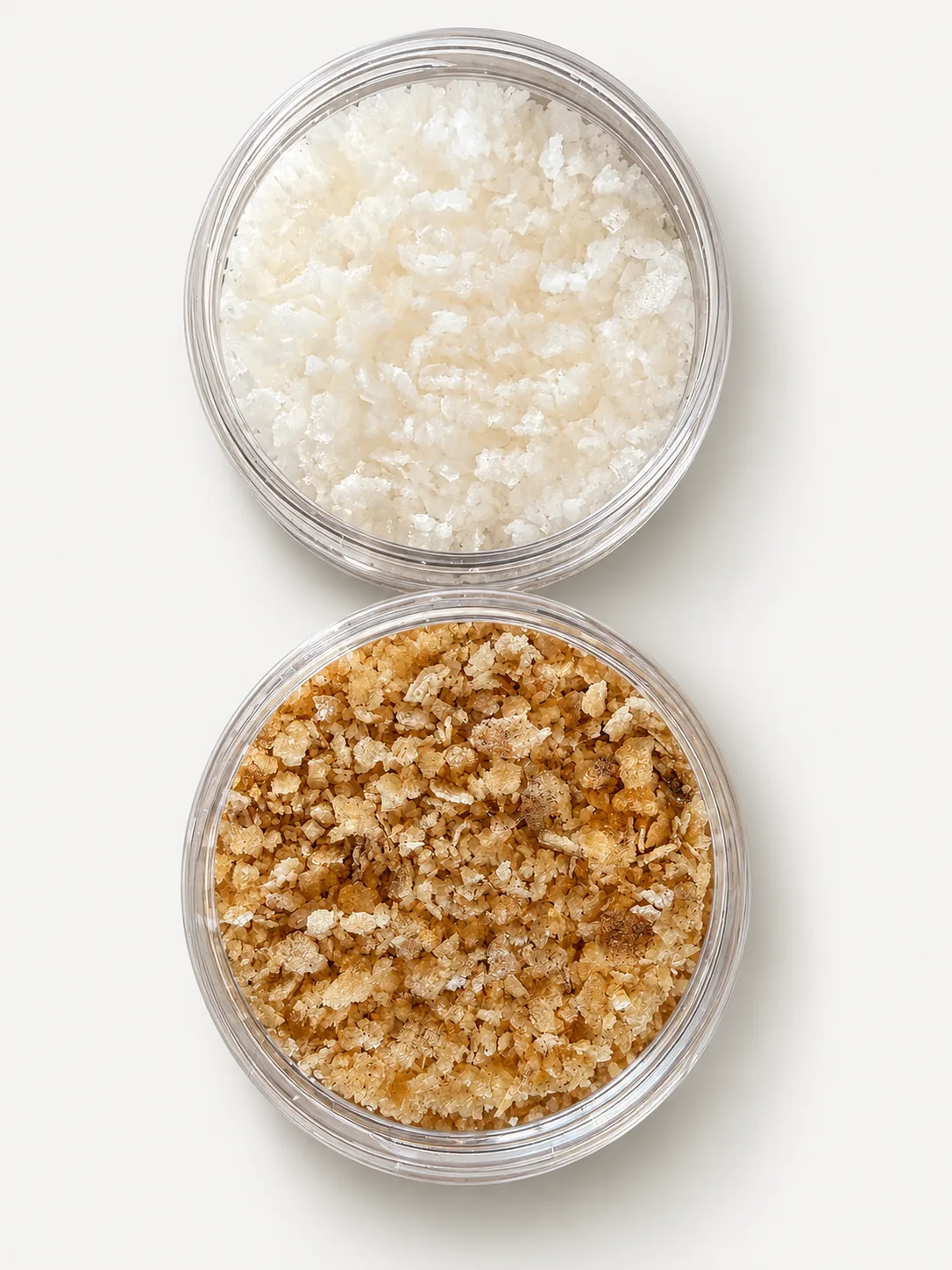
The open-jar photographs show the white flakes alongside the amber smoked sample. They give a closer look at the material we are working with while the jars and presentation are still being decided.
Next: the labels
With these samples in hand, our next piece of work is the labels. The aim is a clear, restrained presentation that lets the salt remain the focus and works with the jar we ultimately choose.
The smoked-salt line is still in development and is not yet for sale. For now, this is a small progress report: a batch we are delighted with, a jar shape we like, and another step toward the finished product.
Explore our Patagonian sea salt story or browse the Salt Guide for more of the salts we have been studying.
About this field note
Based on Art Kalina's sample photographs and firsthand tasting and packaging notes, shared November 8, 2026. Photos have been AI-assisted for background cleanup, lighting and framing; fine image details may differ from the originals. The original photographs are retained. These edited views are presentation images, not technical records of crystal size or jar dimensions. No smoking wood, process time, temperature or final net weight is specified here.
Keep exploring
- Patagonian sea salt — The salt at the heart of our trials
- The Salt Guide — Explore our documented salt collection
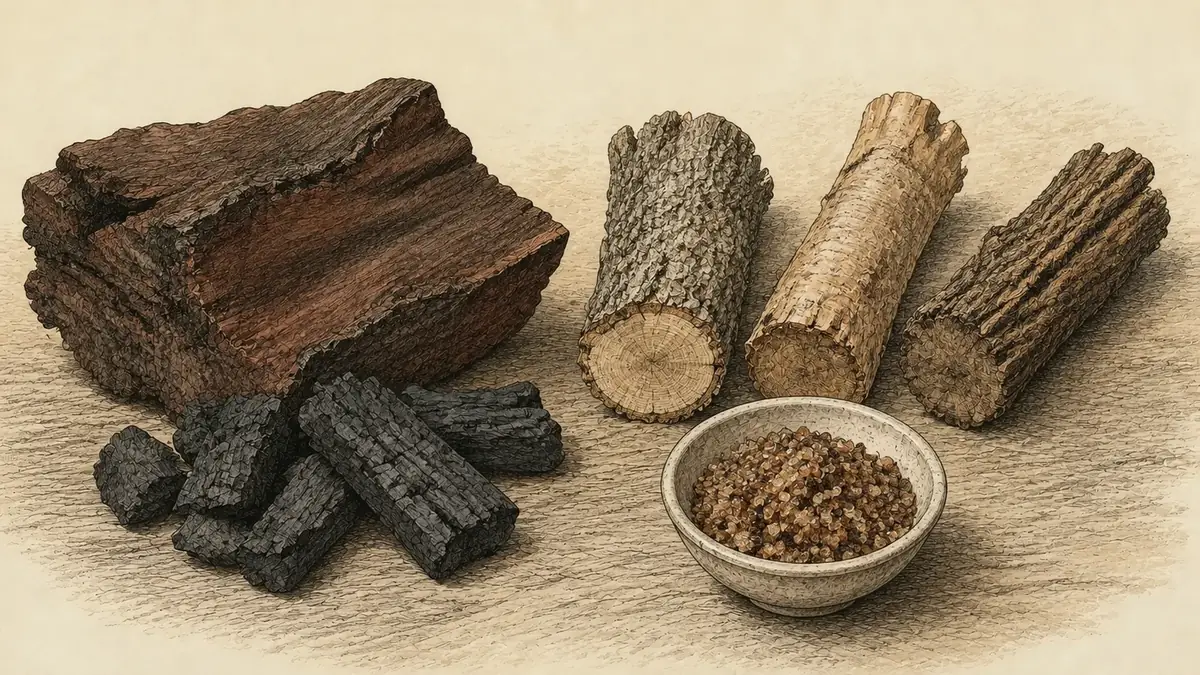
Why Our Smoked Salt Isn't Quebracho
Quebracho is the most romantic wood in Argentina, which is exactly why we will not claim it. We are developing a smoked salt, and the wood it names will not be quebracho.
Read the article →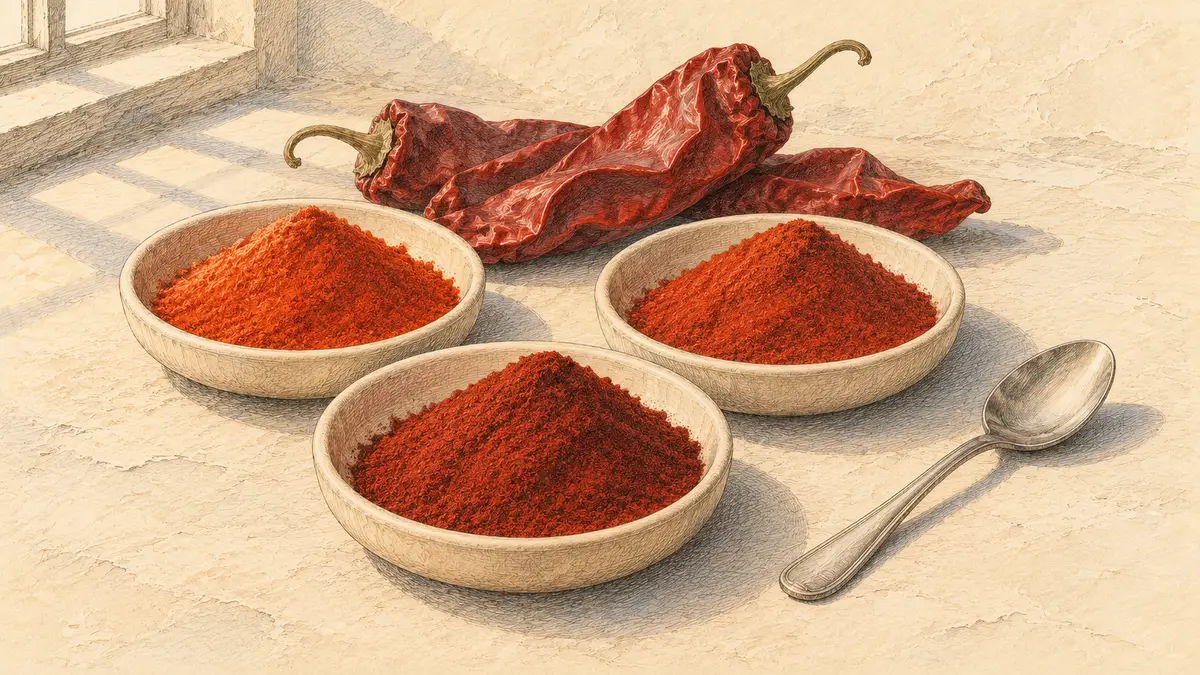
Sweet, Smoked or Hot Paprika: Which One Does Your Recipe Need?
Smoke and heat are separate choices. Read the full paprika name before changing what goes into the pan.
Read the article →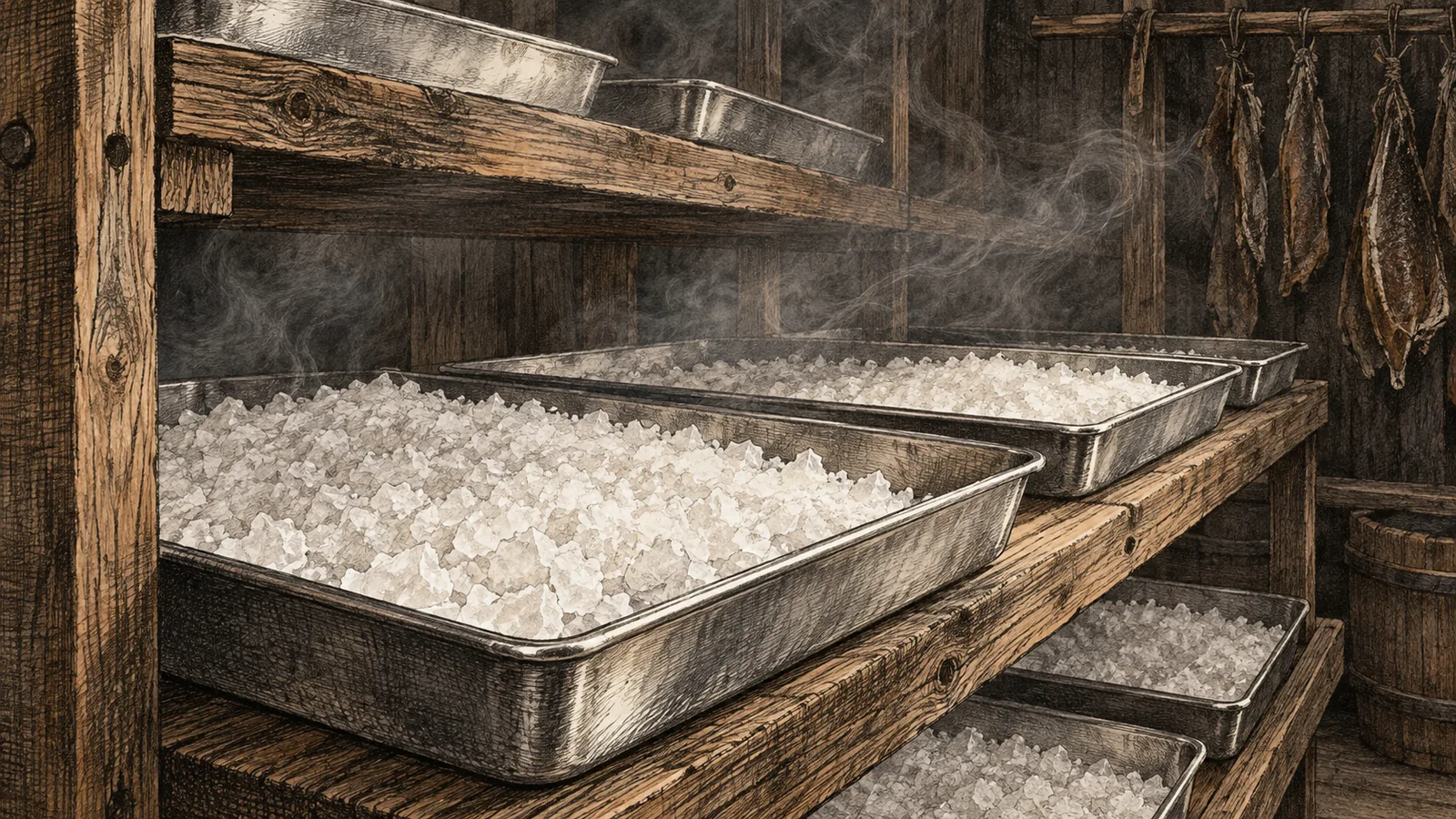
Cold Smoke, Hot Smoke and Why Salt Is Not Meat
The only US line between cold and hot smoking, 90 degrees F, was written for fish. Nothing defines cold-smoked salt, and the one salt maker we found that publishes a temperature smokes at 130.
Read the article →Get the next guide
An email when we publish a new salt guide or recipe, and first word when the Patagonian salts are ready to order.
We write when there is something to say, not on a schedule.