
Sweet, Smoked or Hot Paprika: Which One Does Your Recipe Need?
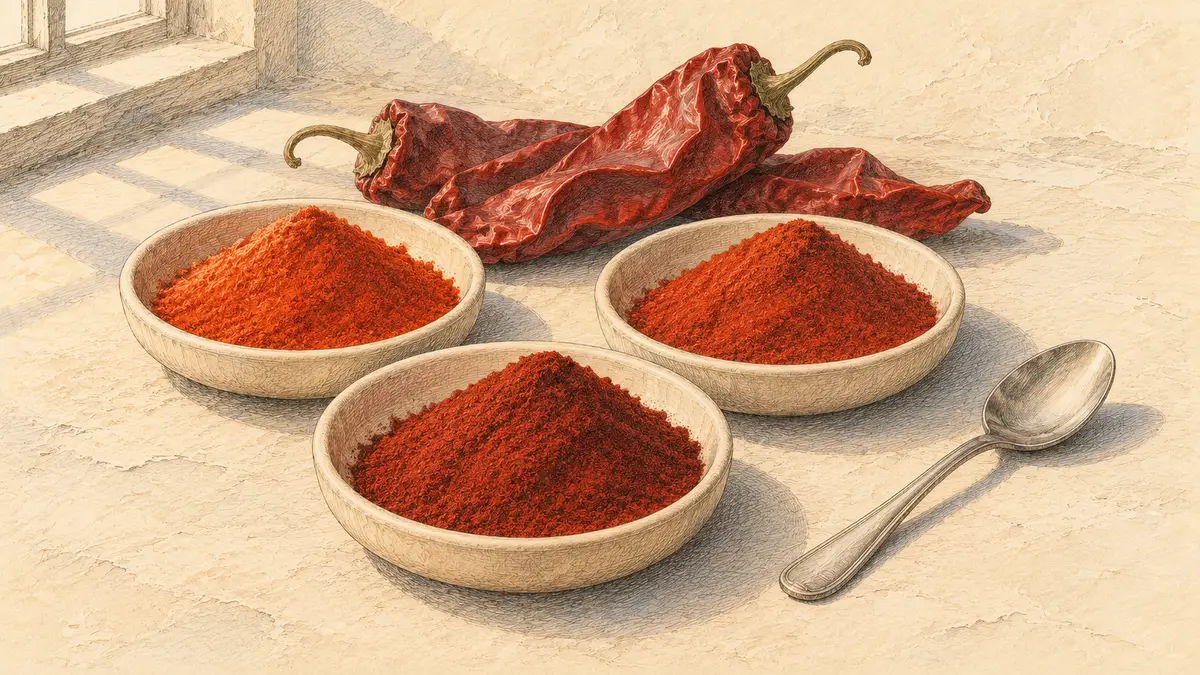
Three red powders, three very different directions for dinner. Before you reach for paprika, ask two questions: do you want heat, and do you want smoke? Those are separate choices.
Sweet and smoked are not opposites
Sweet paprika is the mild end of the paprika shelf, while hot paprika brings more pepper heat. Smoked describes another part of the flavour. A paprika can be smoked and sweet, or smoked and hot. The Spice House sells both combinations, so the word smoked alone is not a heat rating.
That distinction matters more than how dark the powder looks in a photograph. Read the complete product name and description. If a recipe calls for sweet paprika, replacing it with a smoked hot version changes two things at once.
Read the useful words on the jar
- Sweet or mild: look for this when you want paprika without making heat the main event.
- Hot: treat it as a deliberate change in pungency, not simply a stronger red colour.
- Smoked: expect a smoky character, but still check whether the product is sweet or hot.
Spanish product names may use dulce for sweet and picante for hot. For example, The Spice House identifies its Spanish Smoked Sweet Paprika as dulce and lists paprika as its ingredient. Its product page suggests vegetables and rice among the uses. Those are the seller's descriptions, not a Gaucho tasting verdict.
Choose the effect, then the dish
For potatoes, beans or a simple tomato sauce, decide whether smoke belongs in the finished dish before making the substitution. Smoked paprika is not a neutral replacement just because the quantity is small. If you already have another smoky ingredient, consider whether you want to add a second one.
When paprika is central to a recipe, use the specified type for the first attempt. You can learn more from changing one ingredient next time than from changing the heat, smoke and quantity together. Write the full paprika name in your cooking notes; "one spoon of paprika" will not explain why two batches taste different.
Substitute with a light hand
There is no universal spoon ratio that makes a hot paprika behave like a mild one, or removes the smoke from a smoked one. If the right jar is missing, a recipe designed for the paprika you have is often the simpler route. Where you do adapt, begin conservatively and adjust the finished dish rather than assuming the names are interchangeable.
Follow the recipe's method for adding the spice. Our guide to blooming spices explains the difference between briefly warming spices in fat and dry toasting them.
Finally, paprika is not the same question as chili powder versus ground chile. A red seasoning may contain several ingredients. The Spice & Seasoning Guide helps you start with the label rather than the colour.
Sources & scope
The Spice House: paprika comparison and Spanish Smoked Sweet Paprika product page, checked November 14, 2026. Product descriptions are attributed to the seller; examples are not endorsements or Gaucho cooking tests. No fixed heat level is inferred from colour or country.
Keep exploring
- Spice & Seasoning Guide — Compare recorded ingredients and package evidence.
The Salt Guide
We are recording the salts on the American shelf one jar at a time — label, panel, price paid, crystal on white. Browse the guide →
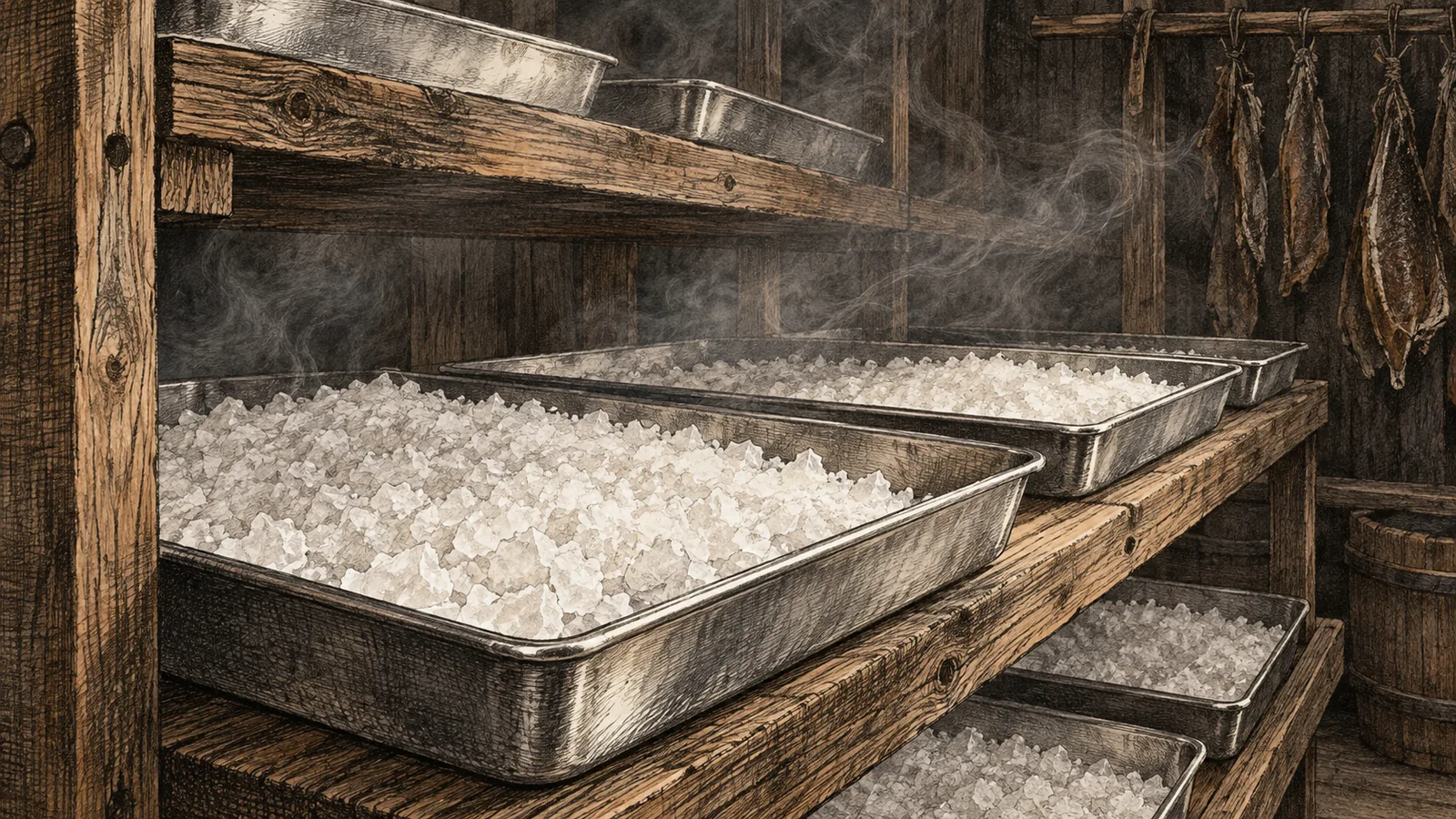
Cold Smoke, Hot Smoke and Why Salt Is Not Meat
The only US line between cold and hot smoking, 90 degrees F, was written for fish. Nothing defines cold-smoked salt, and the one salt maker we found that publishes a temperature smokes at 130.
Read the article →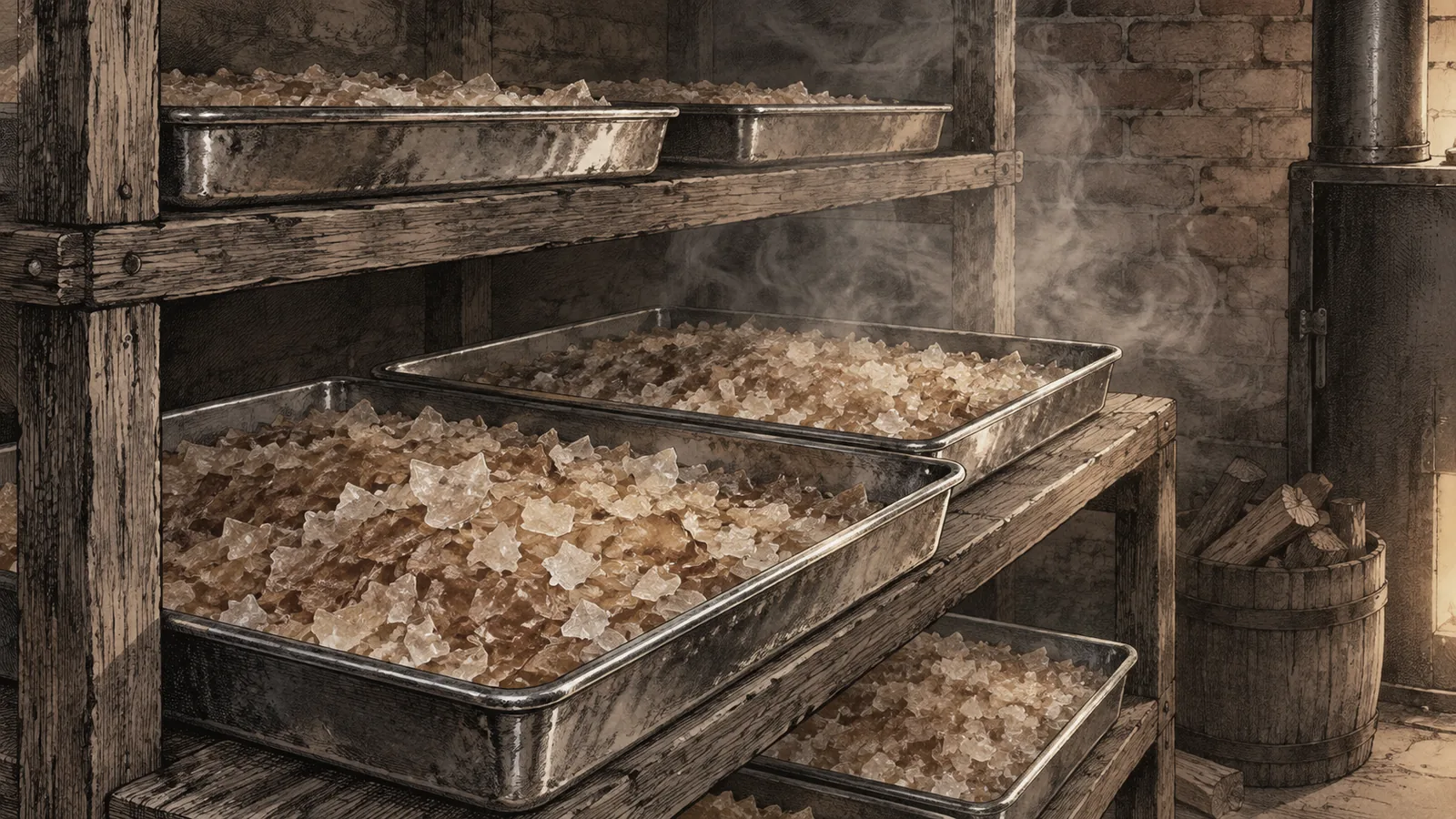
The EU Banned Smoke Flavourings. Here Is What That Means for Salt
Since 1 July 2026, no new smoke-flavoured salt can be placed on the EU market. None of the ten flavourings has come back, a court challenge is pending, and salt smoked over real wood was never covered.
Read the article →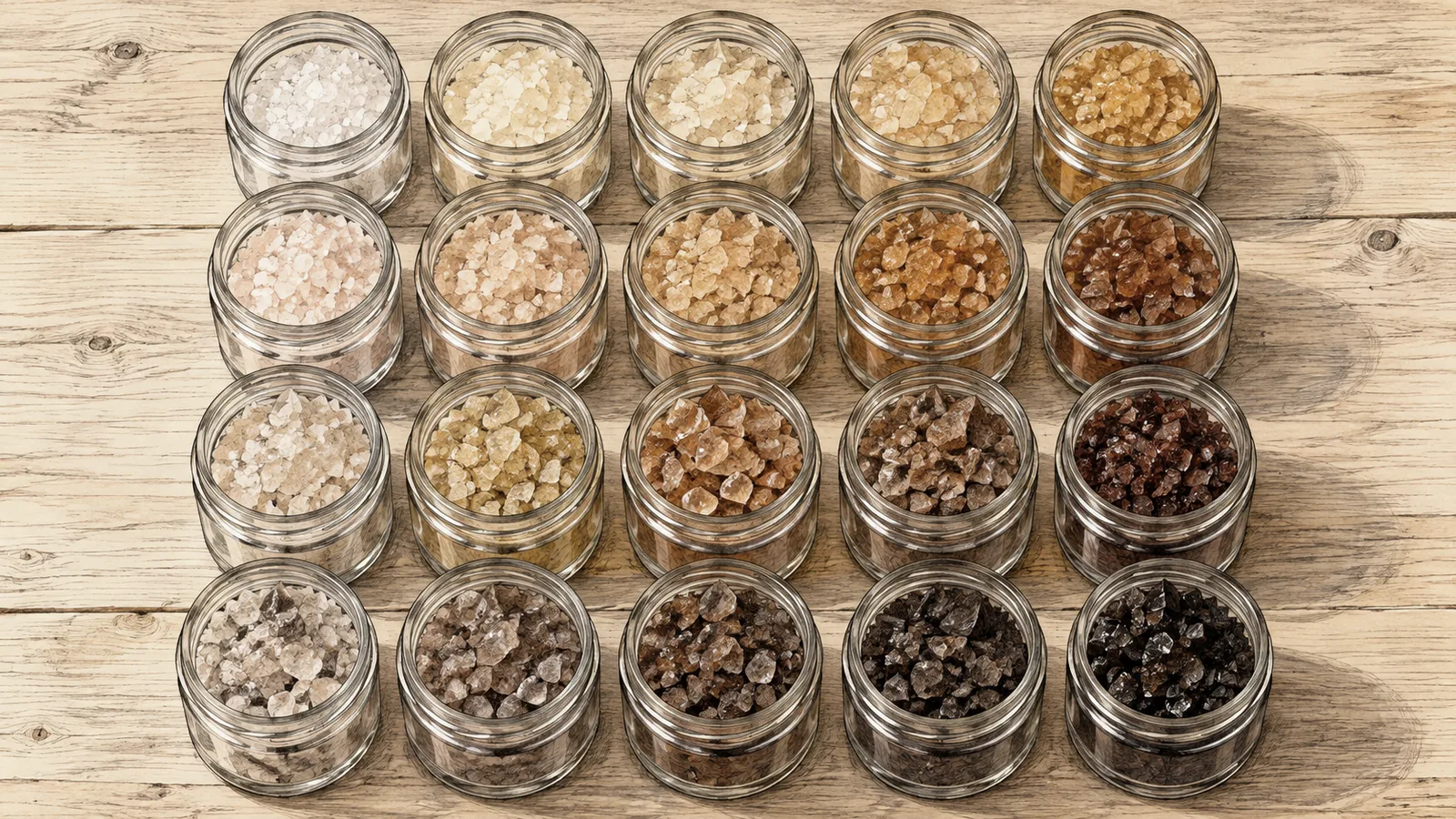
Every Smoked Salt We Could Verify, and Who Actually Smokes It
We checked 24 smoked salts against their makers' own pages. Two are gone, one of the rest is smoke-flavoured, and five do not say where their salt was made at all.
Read the article →Get the next guide
An email when we publish a new salt guide or recipe, and first word when the Patagonian salts are ready to order.
We write when there is something to say, not on a schedule.