
Chili Powder vs. Ground Chile: Read the Ingredient List
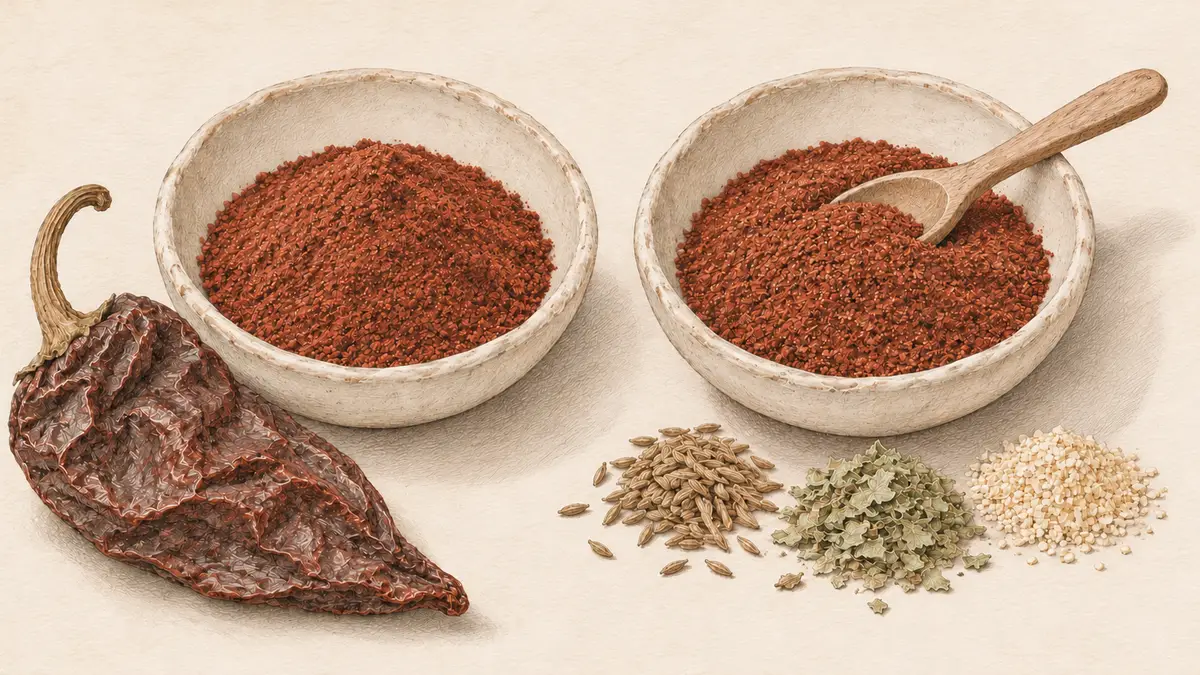
A recipe asks for chili powder. You reach for a jar of ground chile. They look close enough, but you may be swapping a seasoning blend for one pepper variety. The ingredient list settles more than the spelling does.
One name can hide a blend
On a US spice shelf, chili powder can mean a prepared blend. McCormick's regular 2.5-ounce Chili Powder, for example, lists chili pepper, spices, salt, silicon dioxide and garlic. Its description identifies cumin and oregano among the flavouring spices.
That is not a defect or a shortcut to apologise for: a blend is useful when it is what the recipe expects. But replacing it with a single ground chile removes more than a brand name. You may also be removing garlic, other spices and added salt.
A named chile still deserves a label check
Ground ancho is a more specific description than a general chili seasoning. McCormick's Culinary Ground Ancho Chile Pepper lists ancho chile peppers and silicon dioxide, the latter identified as a free-flowing aid. It does not list the garlic, salt or mixed spices found in the regular Chili Powder example.
This is also why "one chile variety" should not automatically be rewritten as "one ingredient." An anti-caking agent or other declared ingredient may still be present. Our anti-caking guide explains that separate question; it does not make the two products interchangeable.
Why a straight swap can disappoint
Imagine a bean recipe written around a particular chili-powder blend. Substitute a named ground chile and you are changing the seasoning mix as well as the pepper component. Do the reverse and you may add garlic or salt that the original recipe did not account for.
Heat is another variable. The maker describes its ancho product as mildly hot and fruity, but that description is not a heat rating for every product sold as ground chile. Do not carry it over to an unfamiliar pepper powder. Check the exact product rather than assuming a tablespoon of one is equivalent to a tablespoon of another.
Resolve the ambiguity before cooking
- Read the recipe notes. Look for a named brand, pepper variety, linked product or explanation of the intended blend.
- Read your jar. Separate the pepper ingredients from salt, garlic, other spices and any declared aids.
- Keep the change visible. Note what you substituted and how much, instead of treating the result as a test of the original recipe.
If the recipe remains unclear, choose one written for the ingredient you actually have. It is more useful than inventing a universal conversion that cannot account for the two formulas.
We use chile here for the pepper ingredient and chili powder for the named blend example, but spelling is not proof of composition. Start with the ingredient list, then compare recorded jars in our Spice & Seasoning Guide. For another red-powder distinction, see sweet, smoked and hot paprika.
Sources & scope
McCormick's official pages for Chili Powder, 2.5 oz and Culinary Ground Ancho Chile Pepper, 16 oz, checked November 14, 2026. These are specific online formula examples, not a claim about every brand or every market. Check the package in hand; no Gaucho tasting or laboratory comparison is claimed.
Keep exploring
- Spice & Seasoning Guide — Compare recorded ingredients and package evidence.
The Salt Guide
We are recording the salts on the American shelf one jar at a time — label, panel, price paid, crystal on white. Browse the guide →
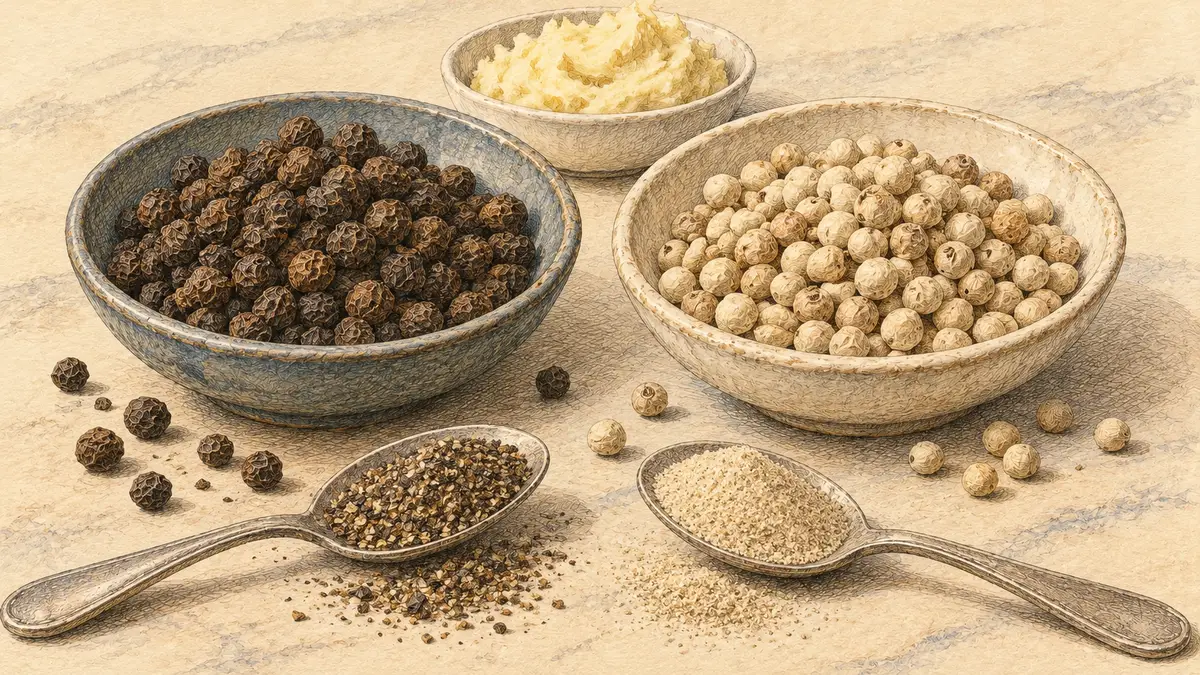
Black vs. White Pepper: More Than a Difference in Colour
The same plant, different preparation: what changes in the peppercorn, the grind and the dish.
Read the article →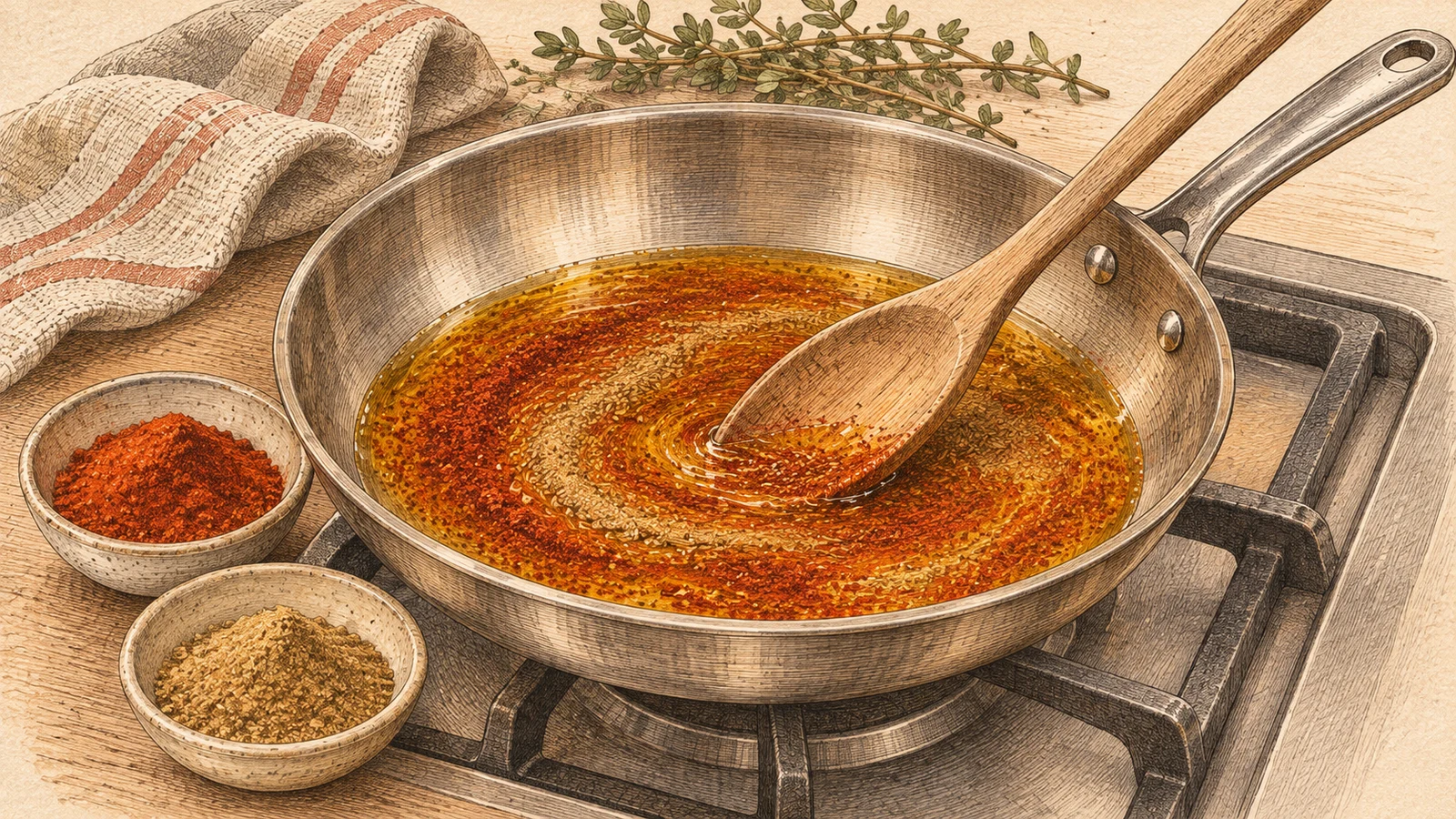
How to Bloom Spices Without Burning Them
What warming spices in oil does, how it differs from dry toasting, and why a seasoning blend needs its own instructions.
Read the article →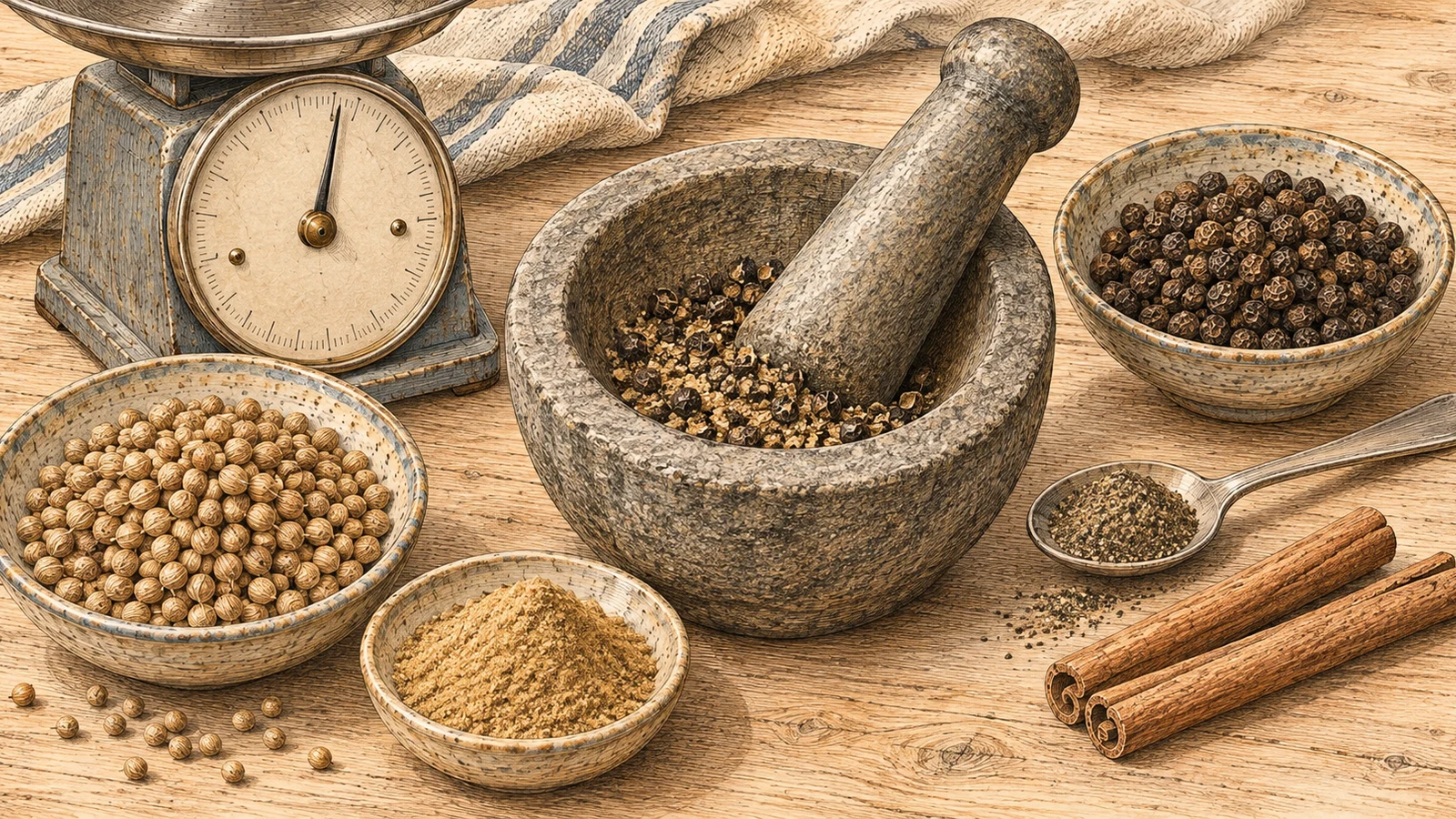
Whole vs. Ground Spices: Which Should You Buy?
Choose spices by the meal, the grind and the amount you will use, with practical notes on storage and small batches.
Read the article →Get the next guide
An email when we publish a new salt guide or recipe, and first word when the Patagonian salts are ready to order.
We write when there is something to say, not on a schedule.