Find your next good read. Recipes, salt, smoke and the stories behind the ingredients.
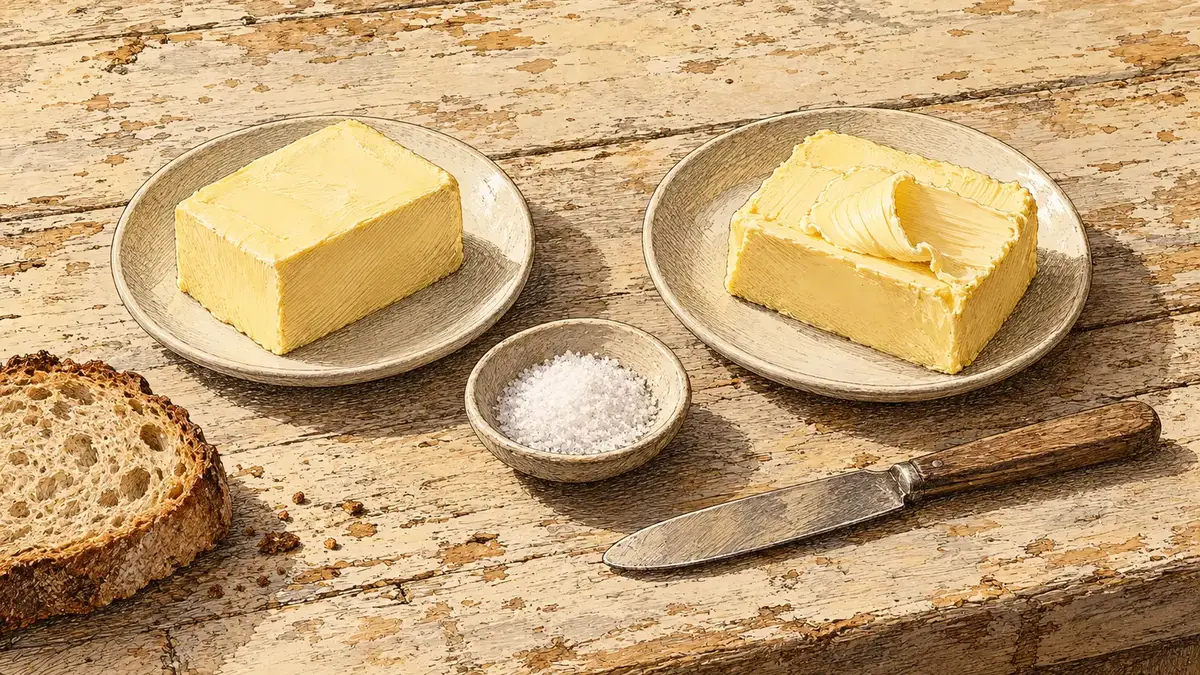
Keep the butter quantity. Adjust the salt. A practical guide to the quarter-teaspoon rule, its limits, and the other butter differences that affect a bake.
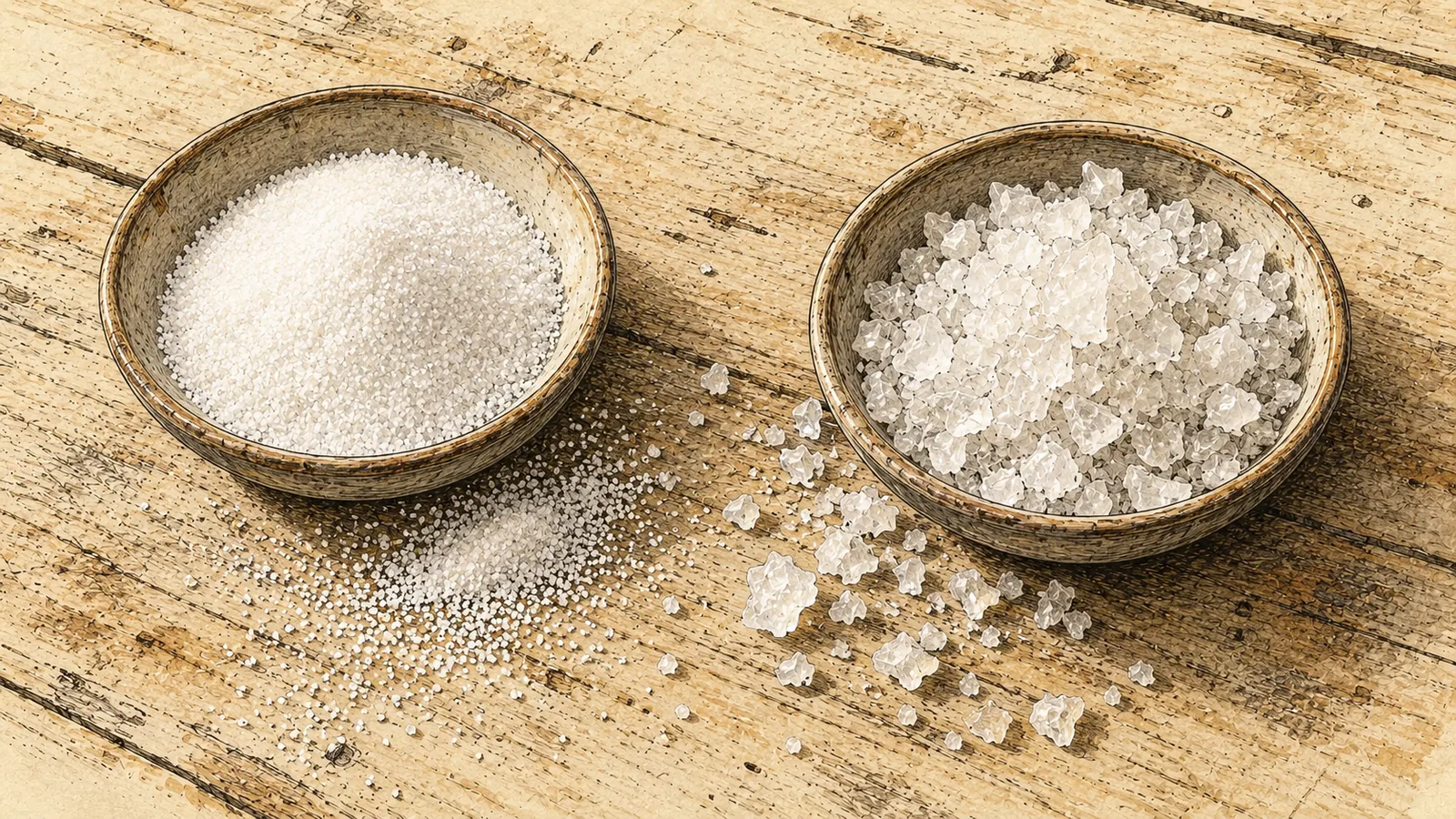
The source changes, and the crystal can change dramatically. By weight, both are still principally sodium chloride. The useful differences are grain size, iodine, additives and how much fits in a spoon.
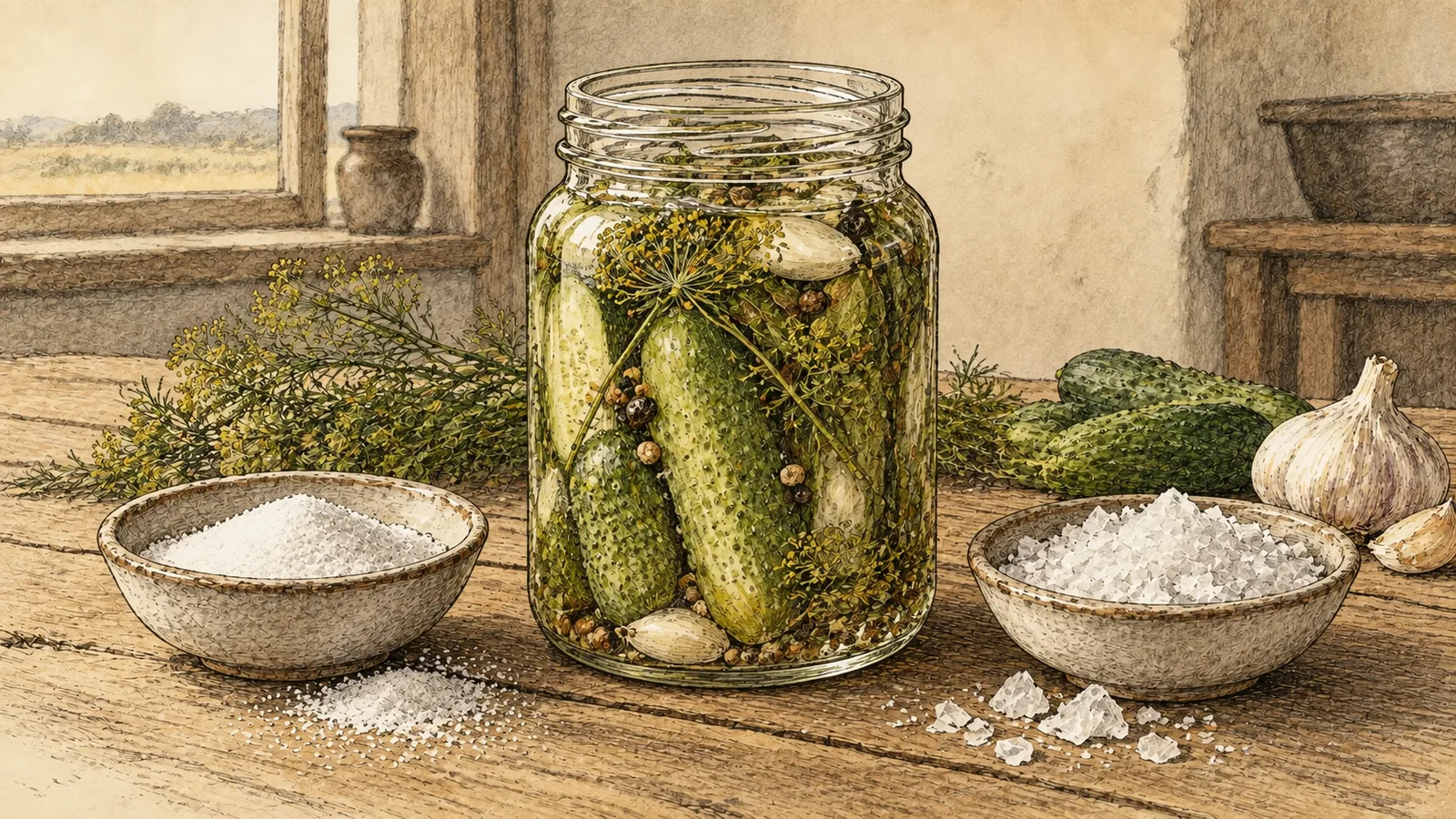
Canning salt and pickling salt are the same fine, additive-free format. Kosher salt can work only when a tested recipe permits it and the amount is converted by weight, because flake density varies.
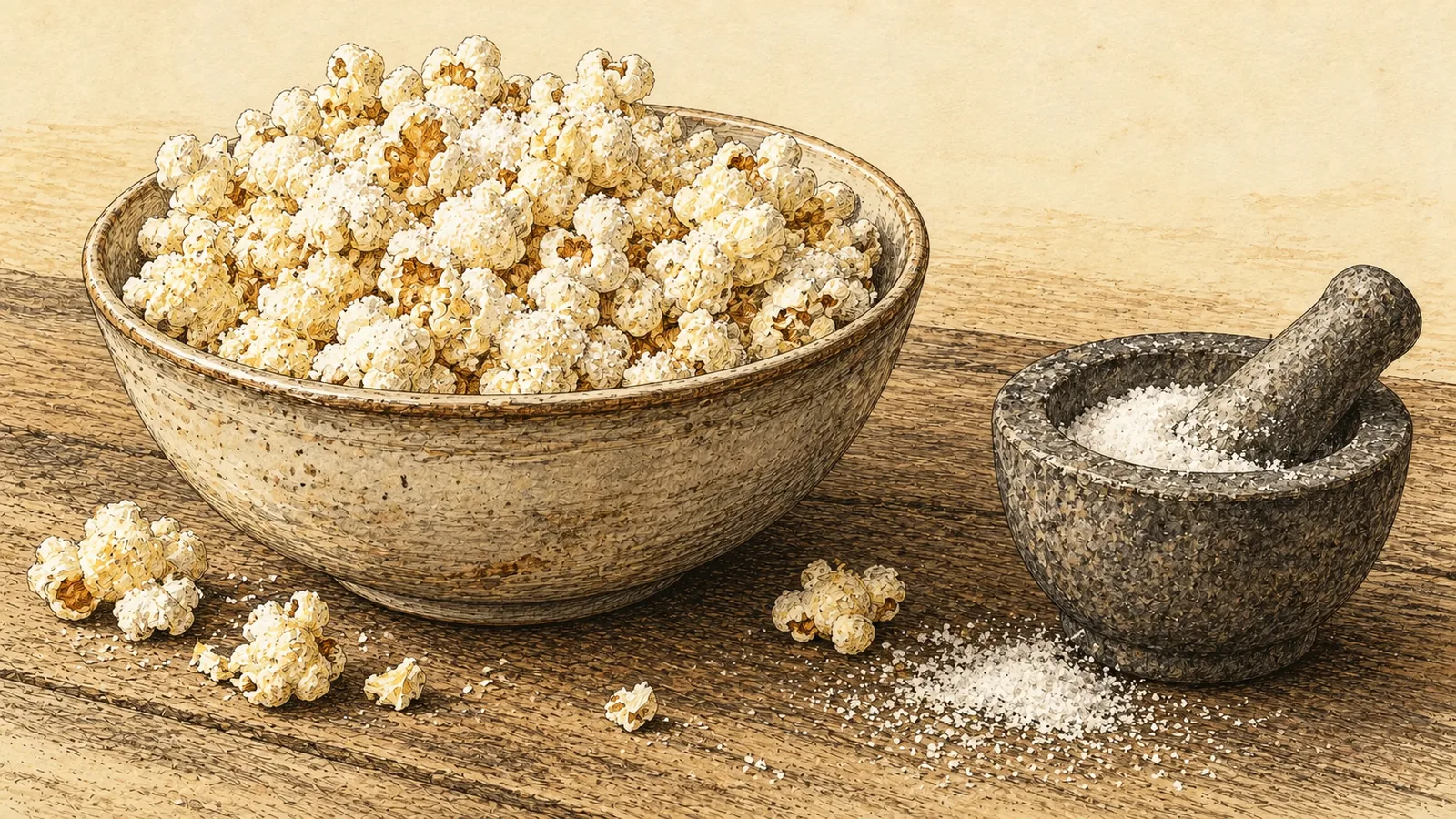
Popcorn salt is ordinary food salt ground extremely fine. The small particles catch on the oil and rough surface of a kernel instead of collecting at the bottom of the bowl.
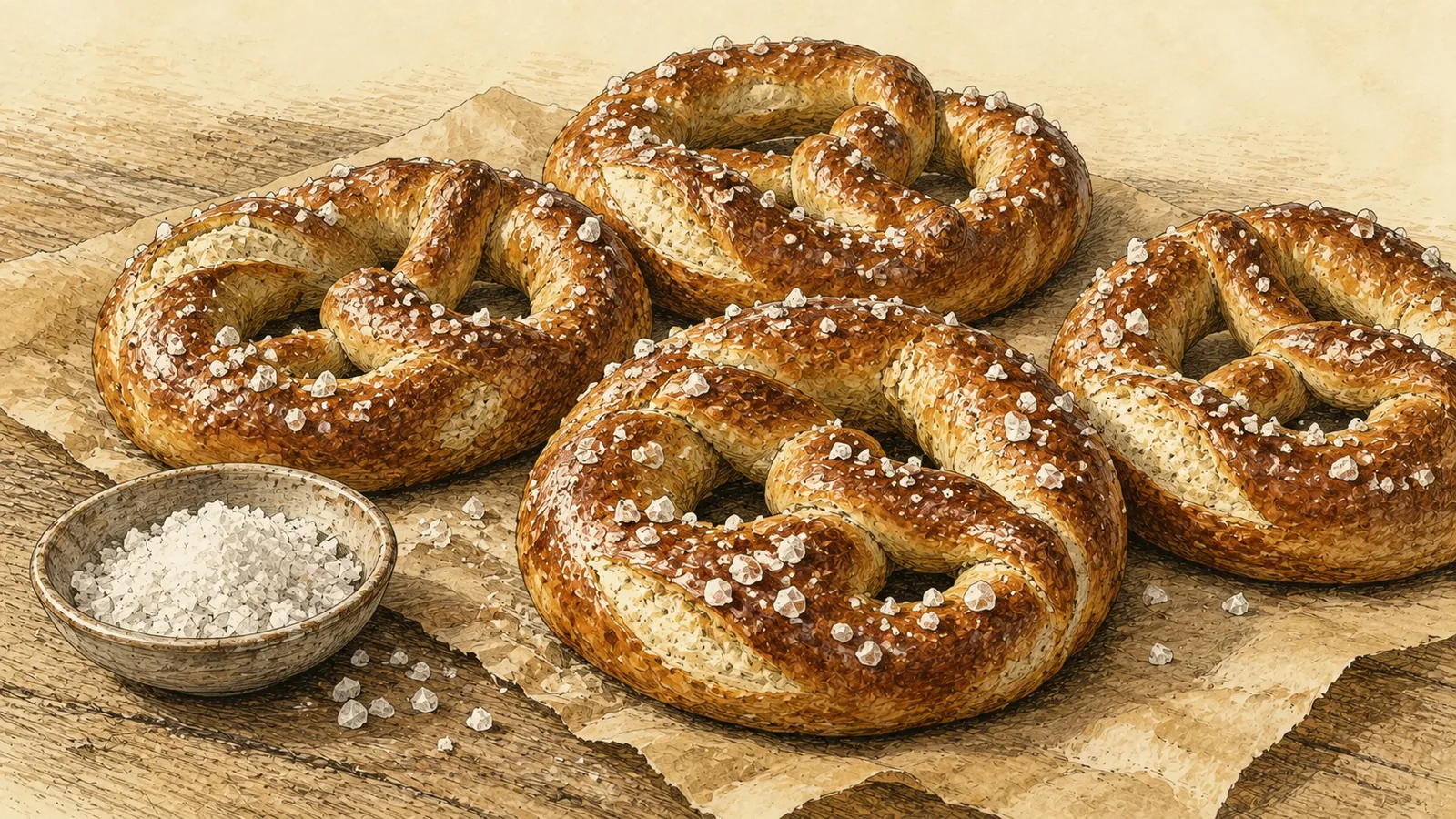
Pretzel salt is a coarse topping grade made to remain distinct on baked dough. Kosher salt can substitute at home, but its thinner flakes may dissolve or break more readily.
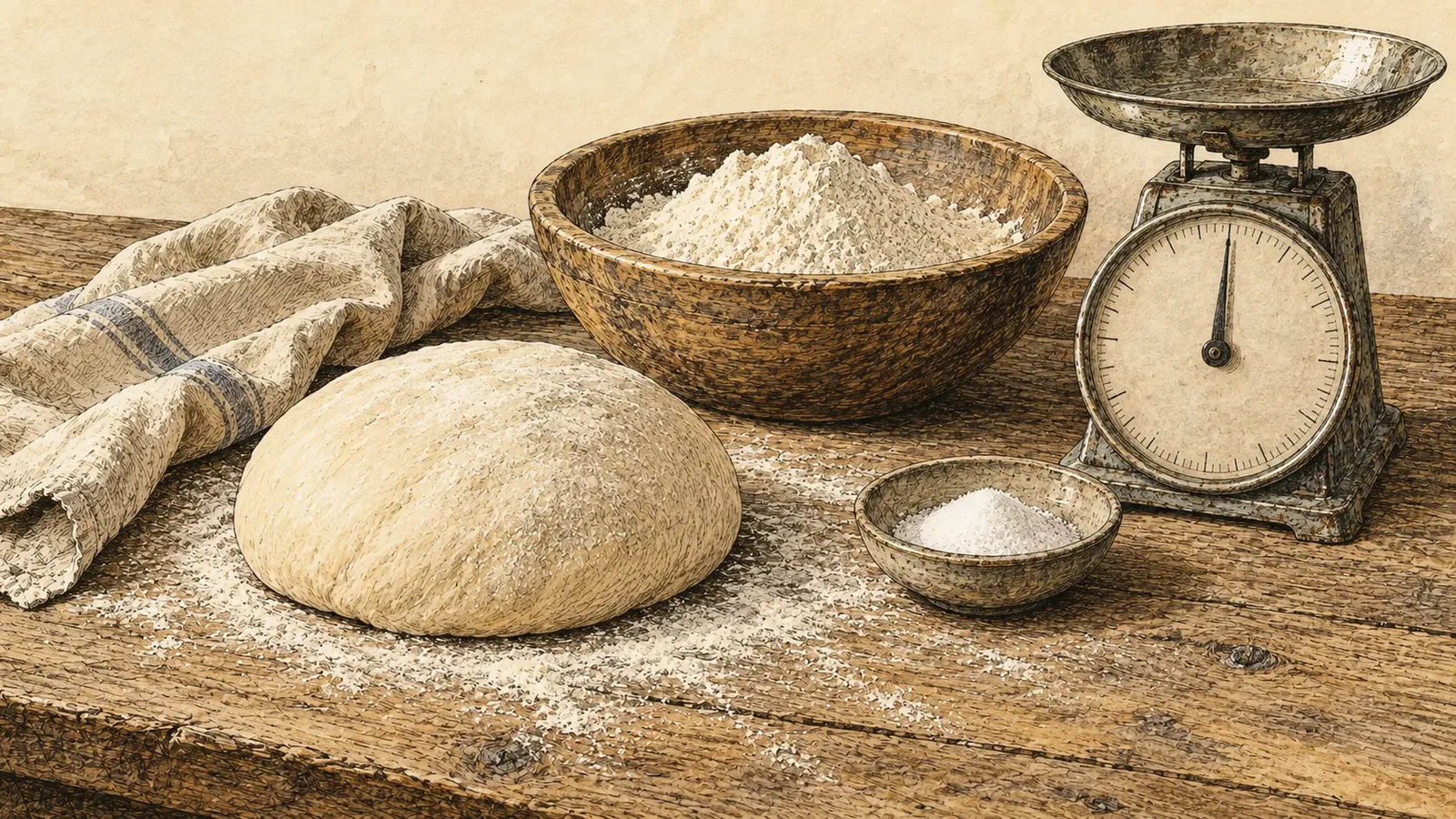
A professional baseline is 1.8 to 2% salt against total flour weight. That means 9 to 10 grams for 500 grams of flour, counted across the final dough and any preferment.
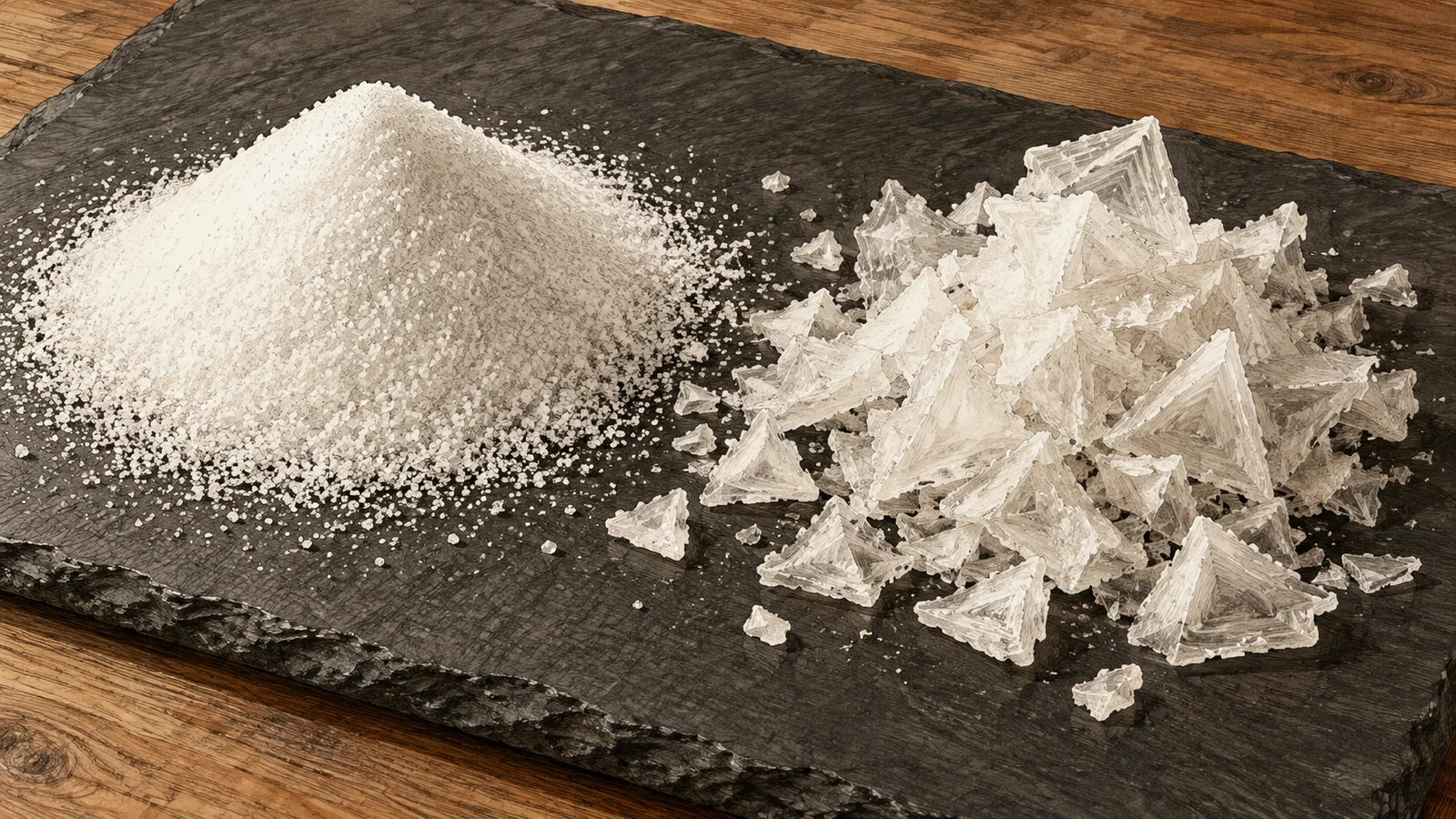
Morton added magnesium carbonate to table salt in 1911 so it would pour in the rain. The US now caps yellow prussiate of soda in salt at 13 parts per million. The flake salts we checked use none.
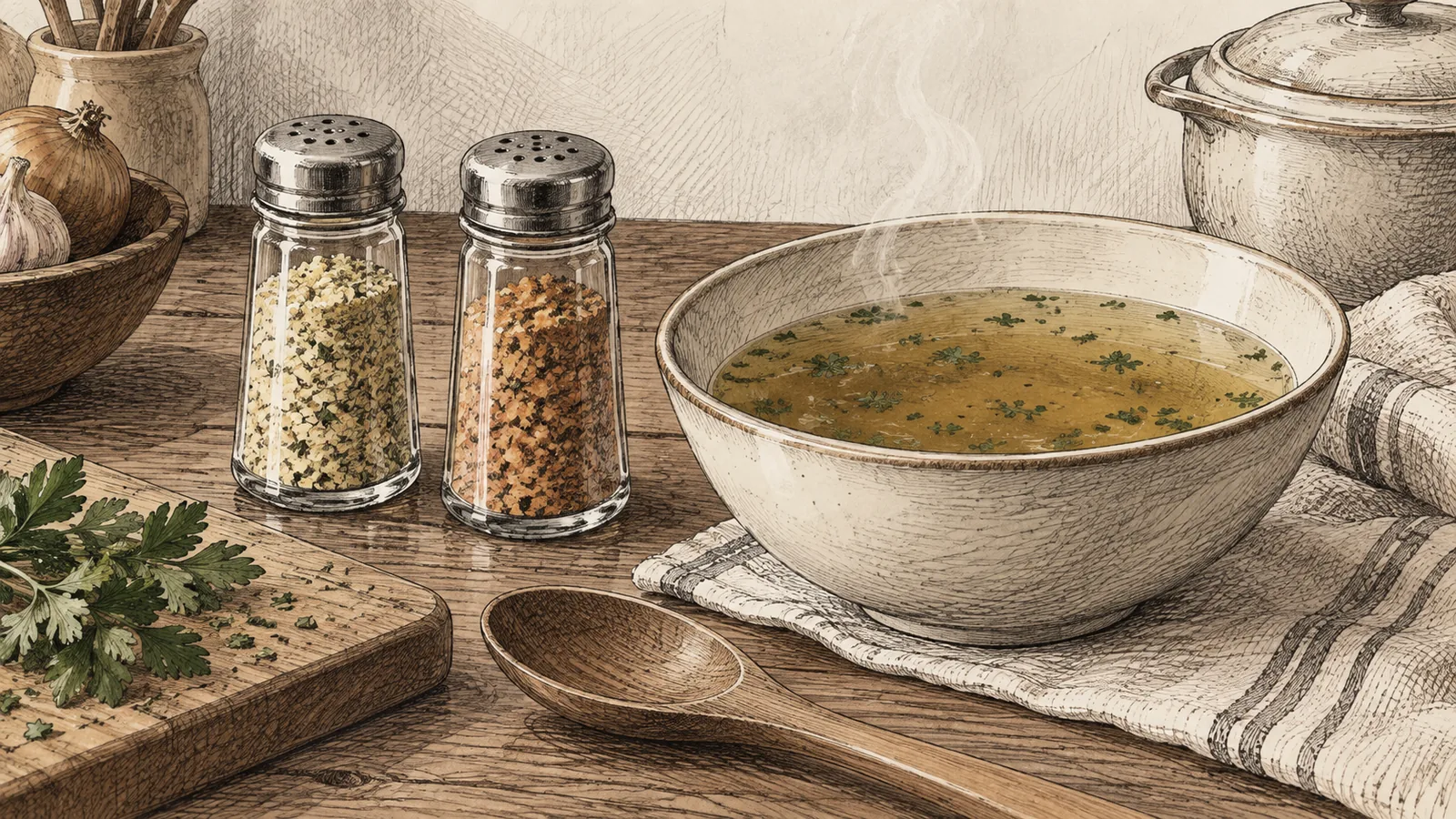
Vegeta declares up to 15 per cent MSG; Aromat puts it second. In the US, the FDA says a pack with yeast extract cannot claim No MSG at all. In the EU it can, and does.
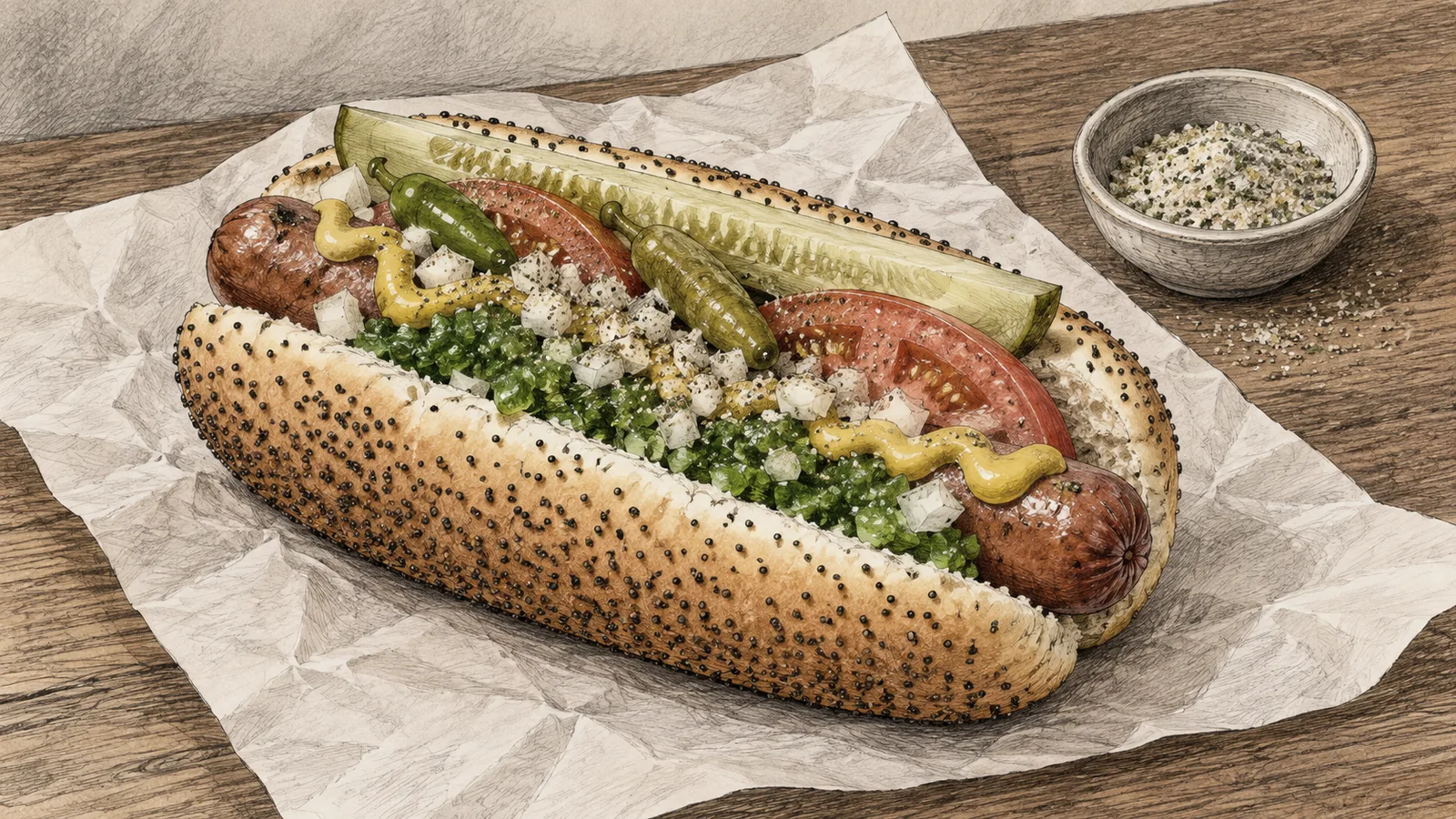
Celery salt is salt and ground celery seed, not dried celery, and no maker publishes the ratio. It is the seventh and last topping on a Chicago dog, and the first ingredient in Old Bay.
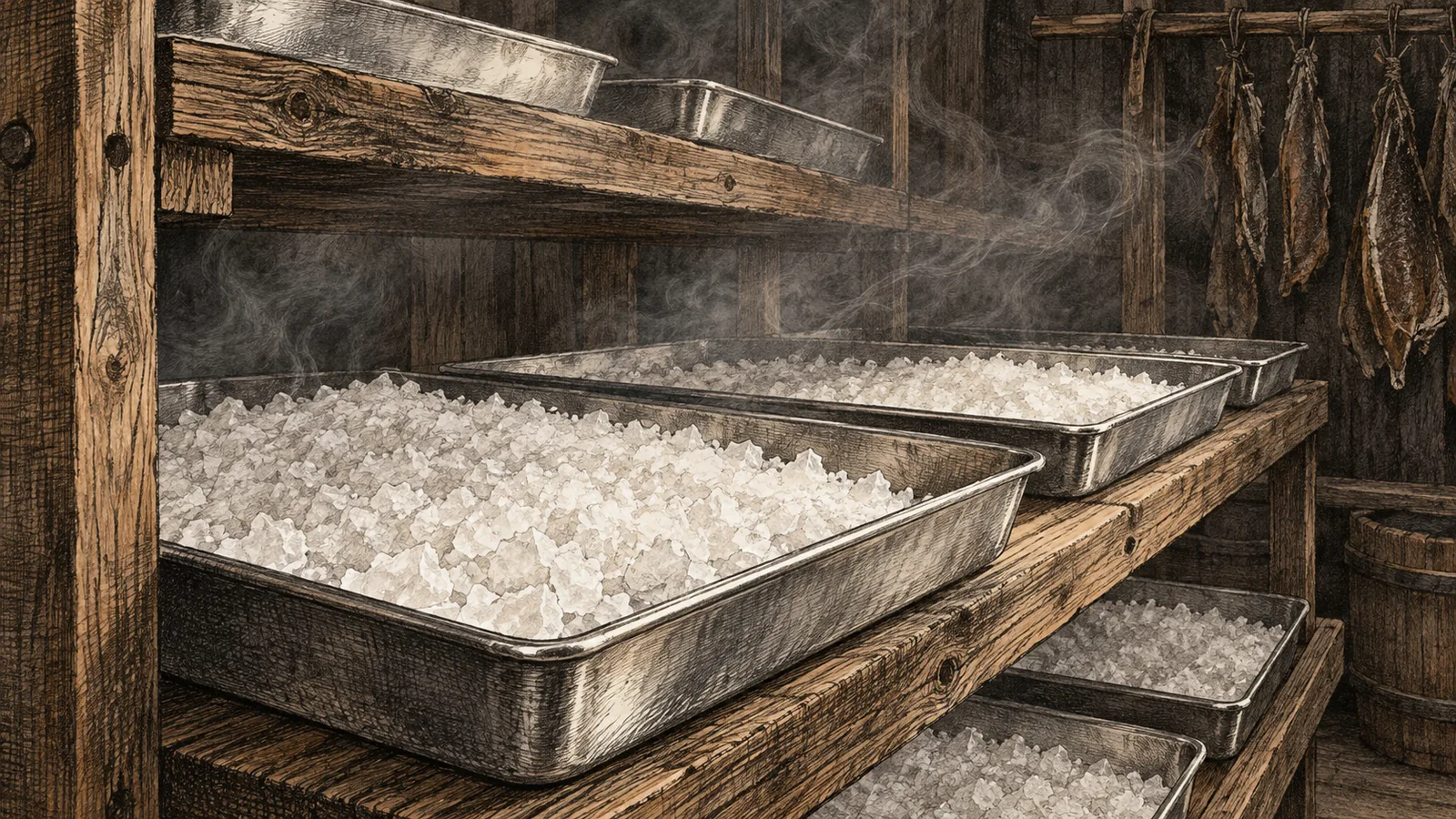
The only US line between cold and hot smoking, 90 degrees F, was written for fish. Nothing defines cold-smoked salt, and the one salt maker we found that publishes a temperature smokes at 130.
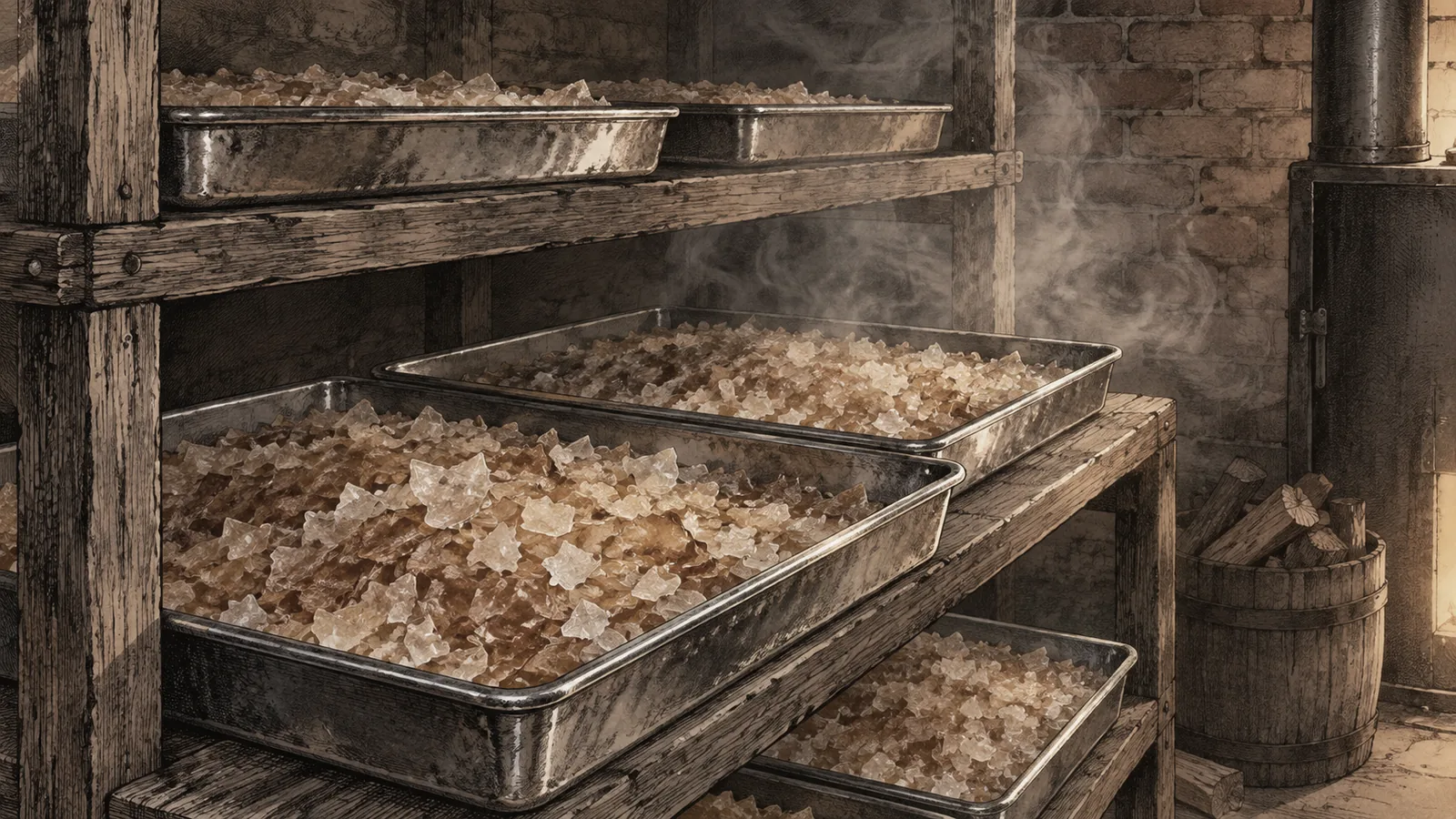
Since 1 July 2026, no new smoke-flavoured salt can be placed on the EU market. None of the ten flavourings has come back, a court challenge is pending, and salt smoked over real wood was never covered.
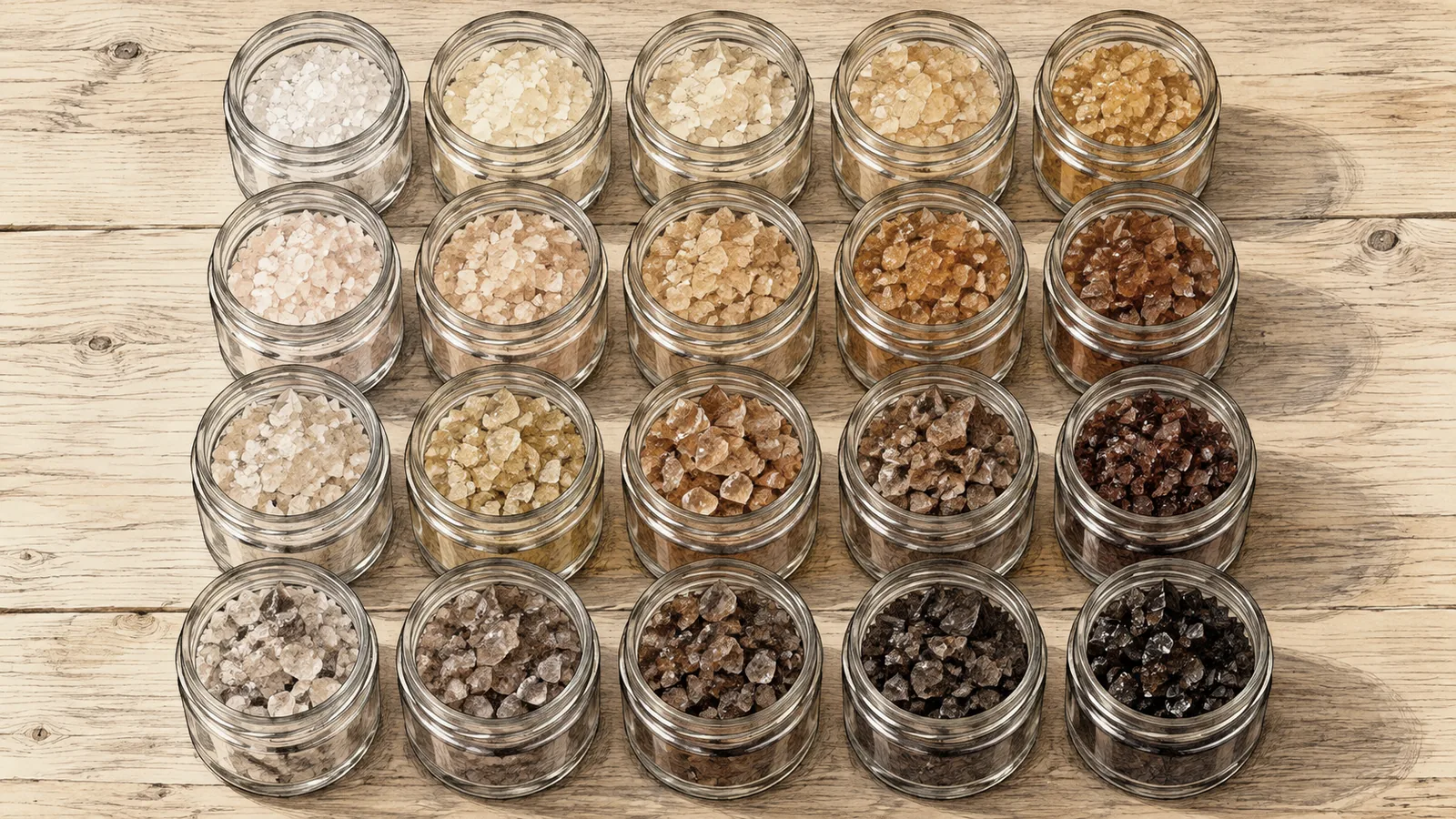
We checked 24 smoked salts against their makers' own pages. Two are gone, one of the rest is smoke-flavoured, and five do not say where their salt was made at all.
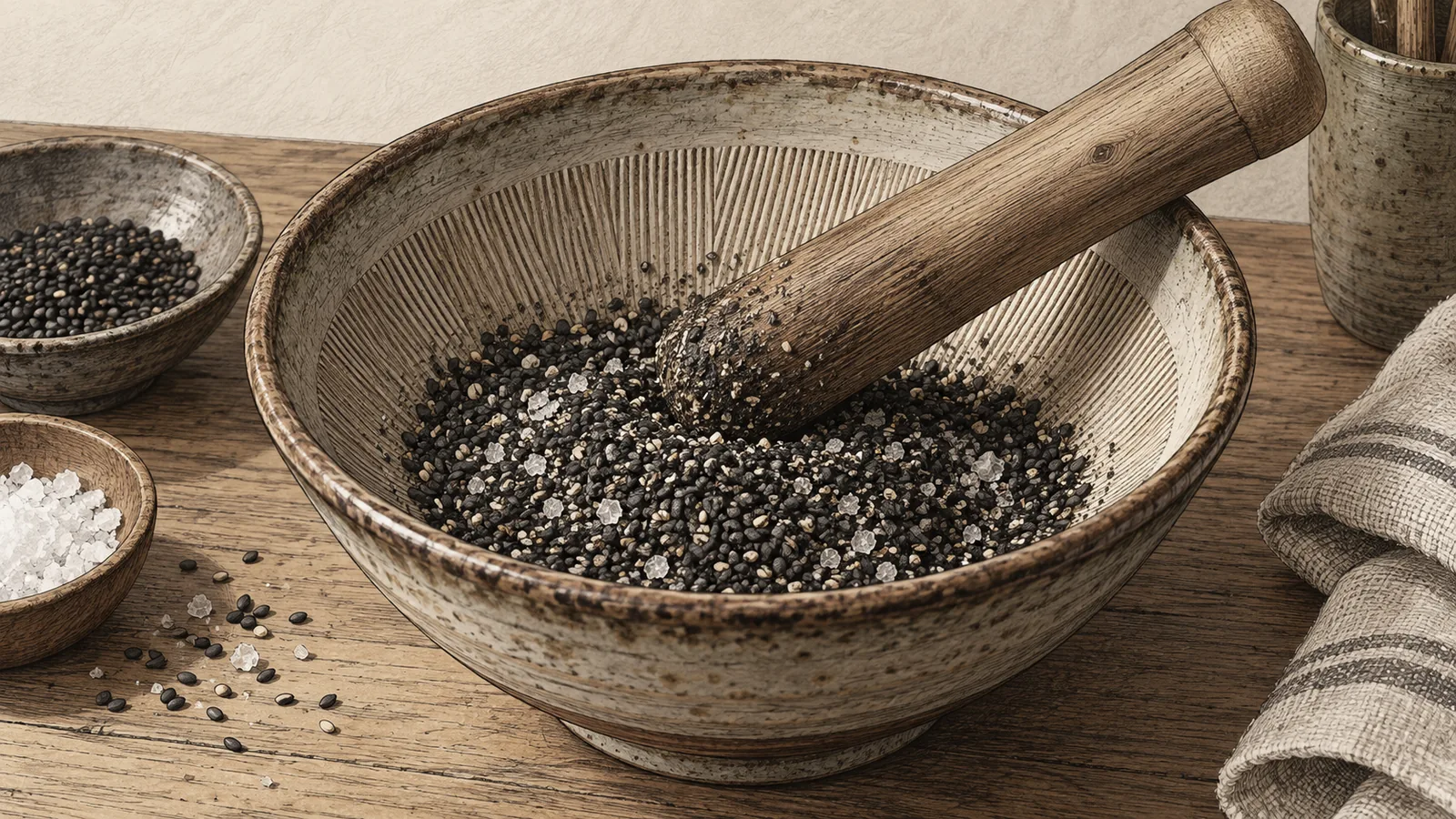
Published gomashio recipes run from 3:1 sesame to salt to 18:1, and the Japanese macrobiotic company named for George Ohsawa sits near the salty end. The range, who uses which, and why the jar differs.
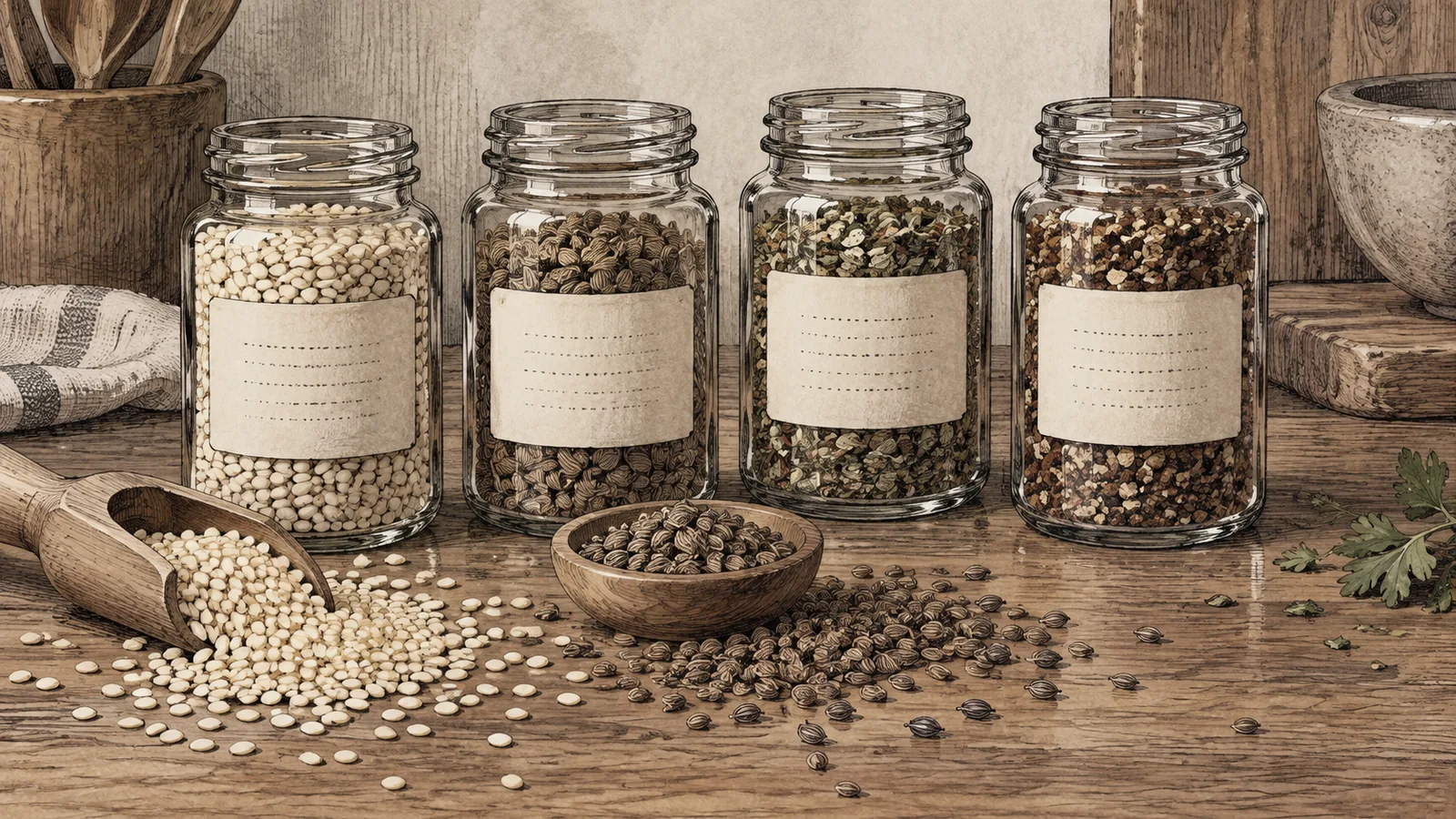
On a US label, celery seed and mustard can sit unnamed inside the word spices. Sesame cannot, since 1 January 2023. And a may-contain warning is voluntary on both sides of the Atlantic.
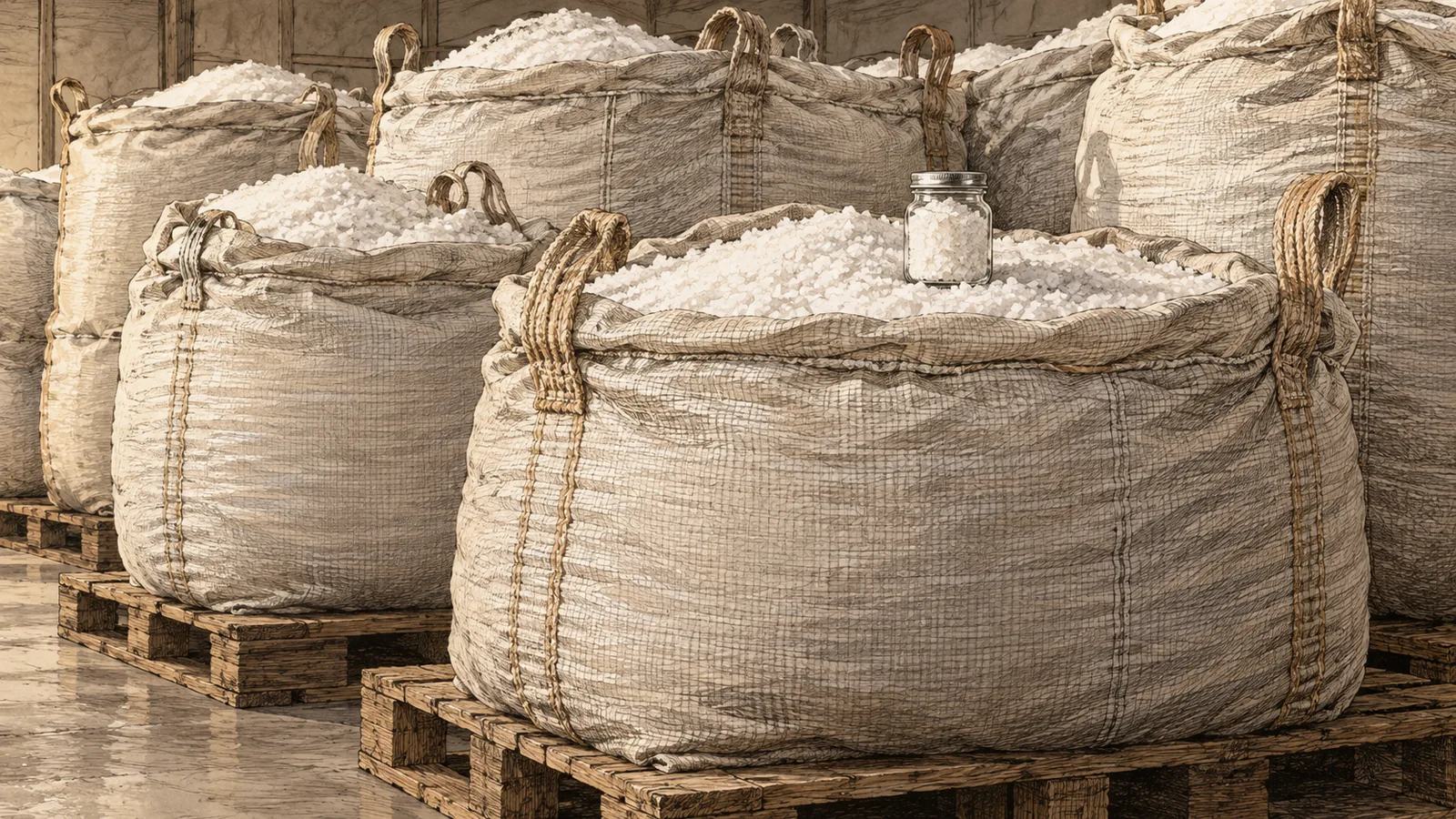
US vacuum-pan salt leaves the plant at about $260 a tonne. A premium flake on a supermarket shelf works out at over $33,000 a tonne. Here is where the gap comes from, step by step.
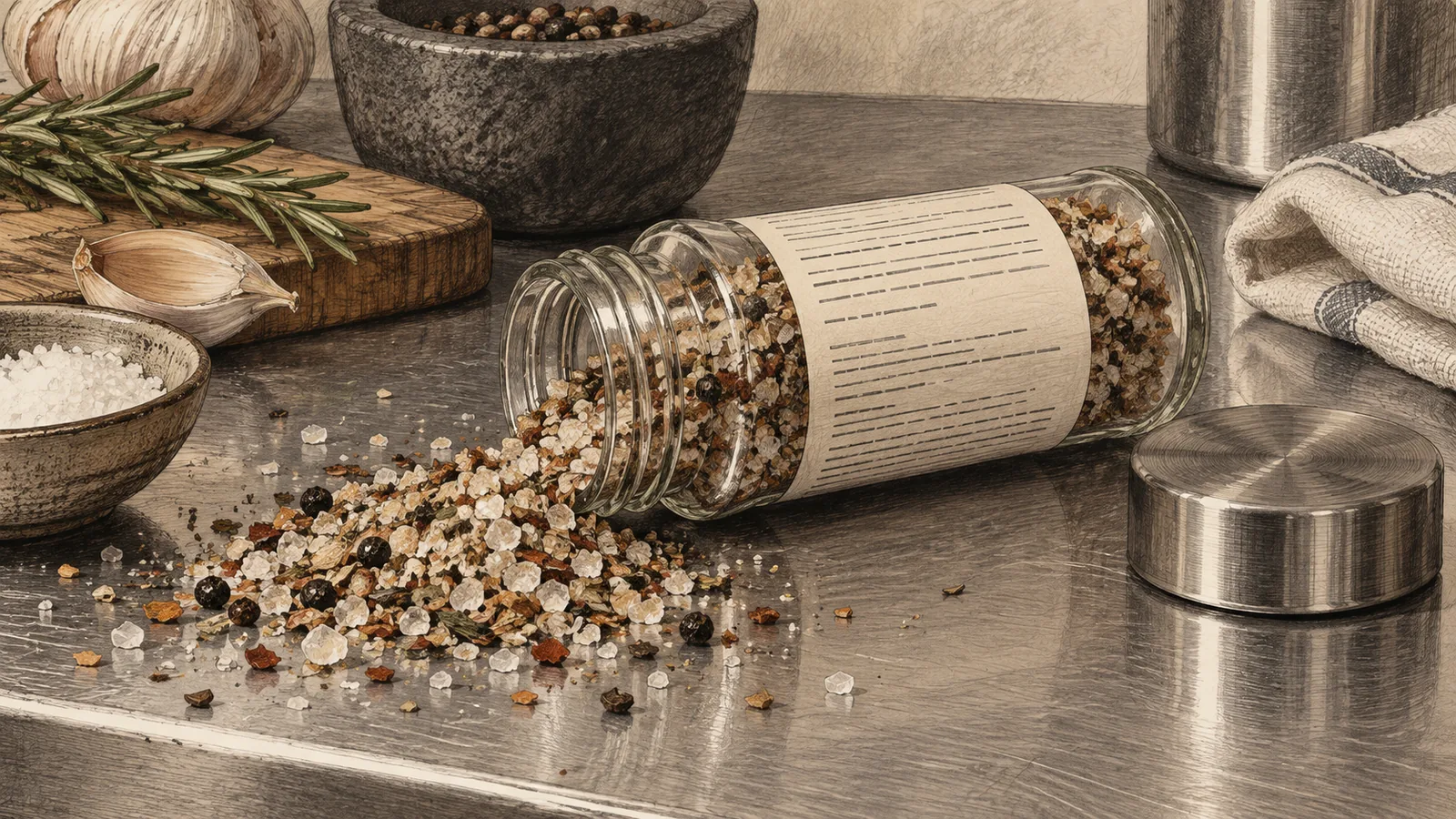
A US seasoning label shows sodium for a quarter-teaspoon. Divide by the grams and a mass-market steak blend turns out to be about two-thirds salt. What the rules require, read against one real panel.
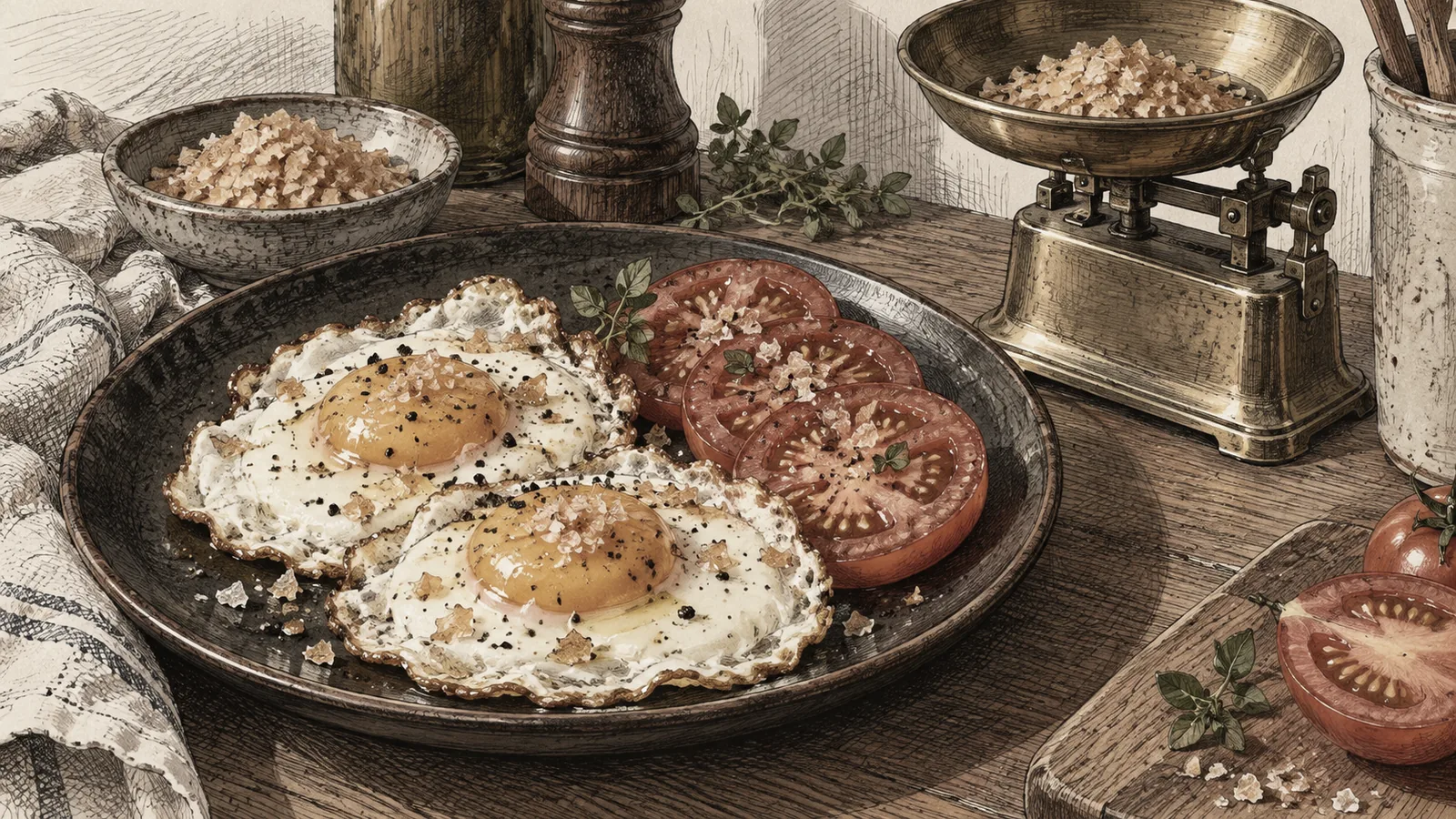
A pinch of flake smoked salt holds about a third of the salt in a pinch of fine. The smoke rides on the crystal surface, so where it lands decides whether you taste it or pour it away.
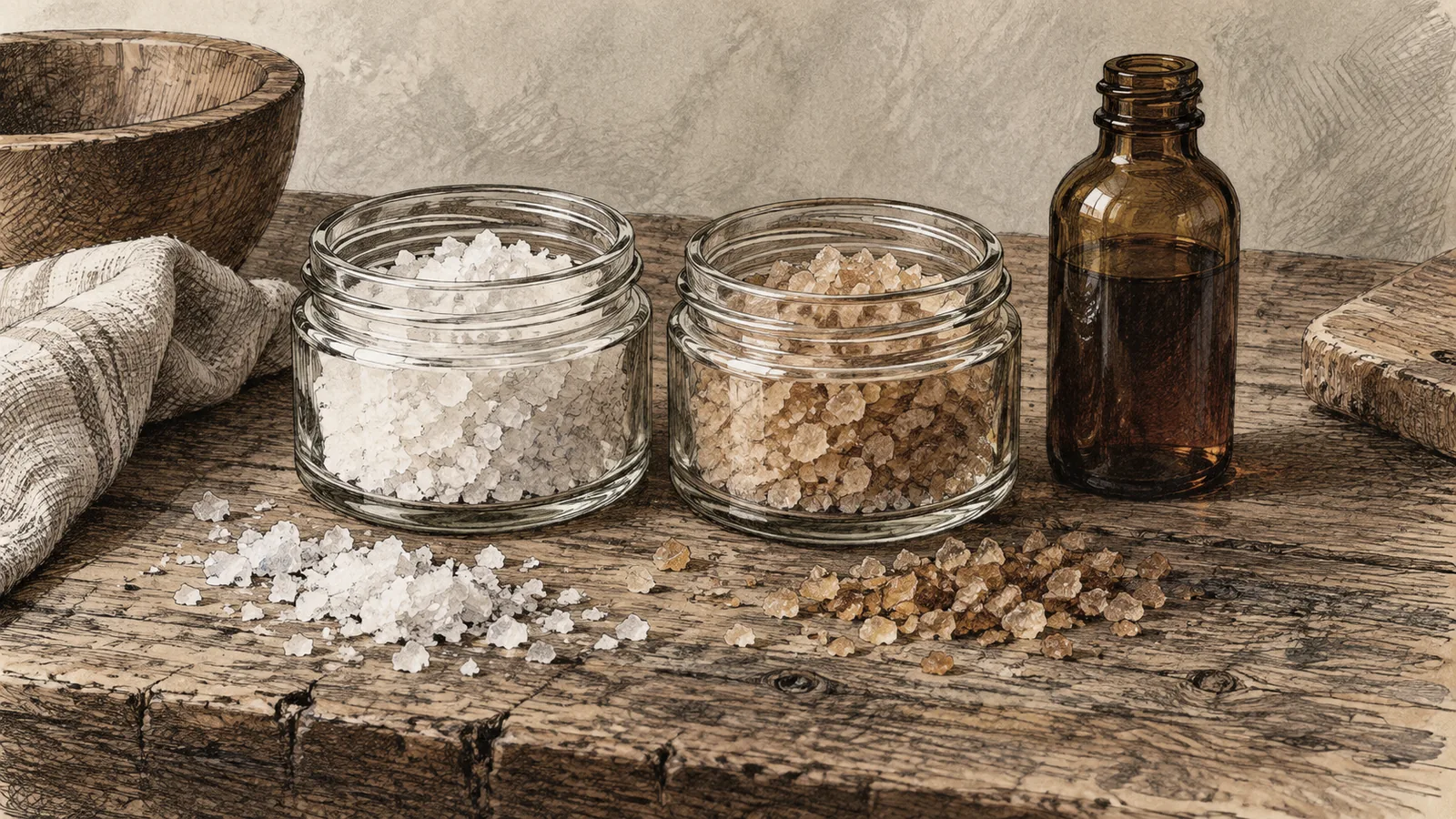
US law bars a smoked claim only for artificial smoke flavour. Liquid smoke is sold as natural, yet the only FDA guidance we found, from 1980, calls wood distillates artificial.
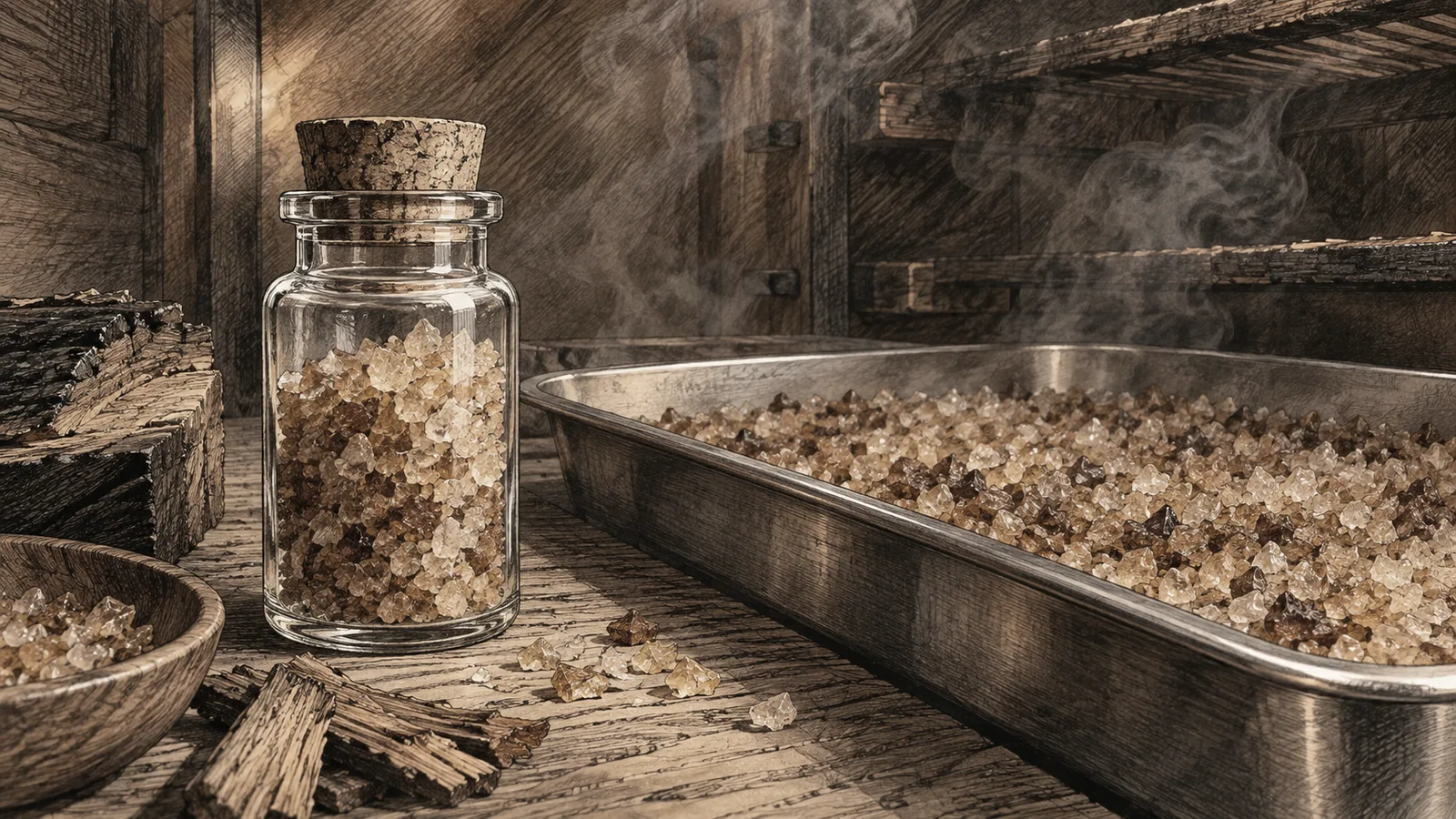
The EU caps benzo[a]pyrene in smoked fish at 2 micrograms per kilo and has no line for smoked salt. Austria tested 22 smoked salts in 2017, found them compliant, and published no numbers.
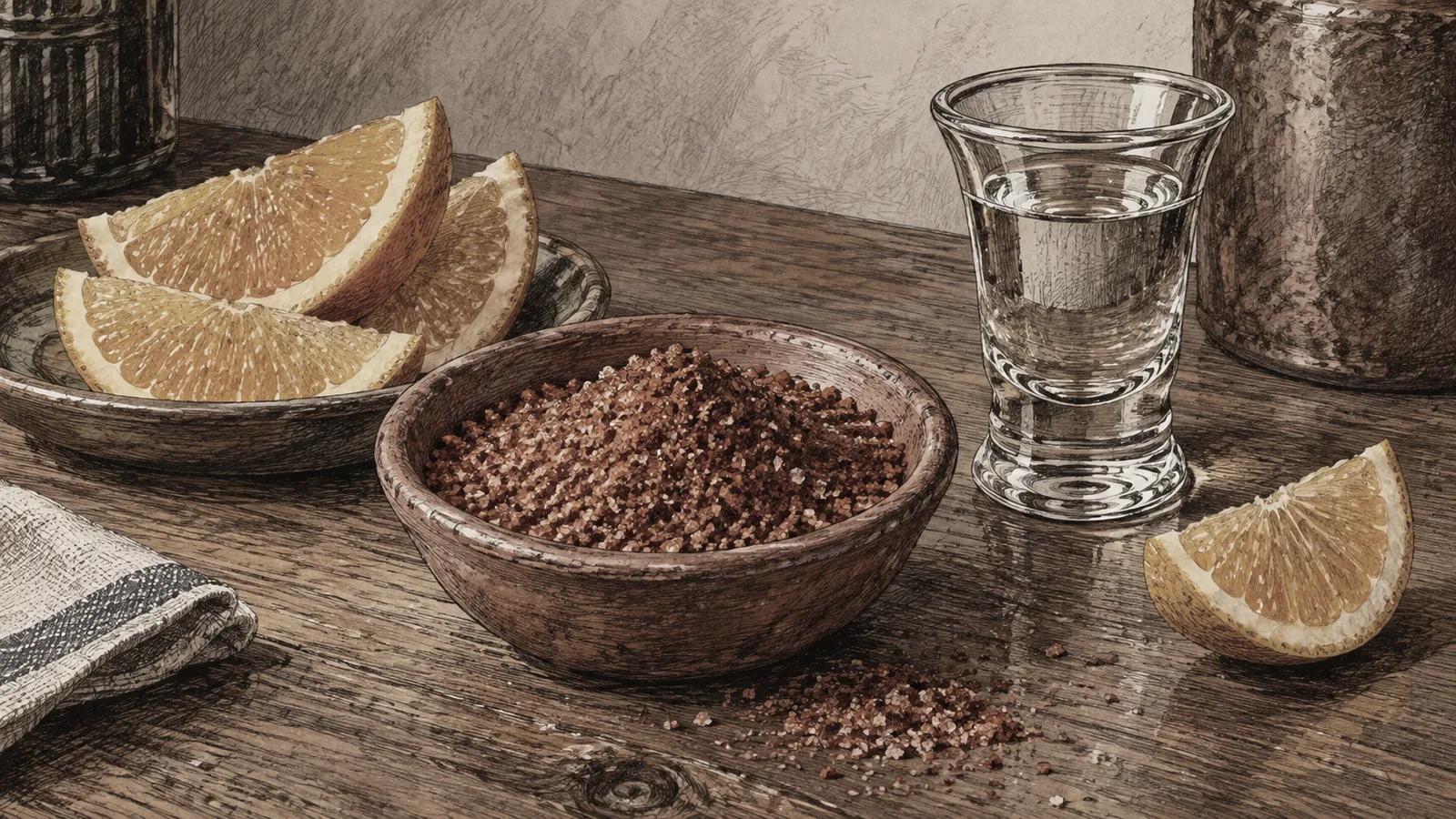
The pale worm in a mezcal bottle is almost certainly a bleached red one. DNA tests found a single moth species, and the dictionary says the red worm is the one ground into Oaxaca’s worm salt.
US law asks for a lot code only if one exists, and restaurants are exempt. The questions a restaurant or small food brand should put to any salt supplier, and the answers that should worry you.
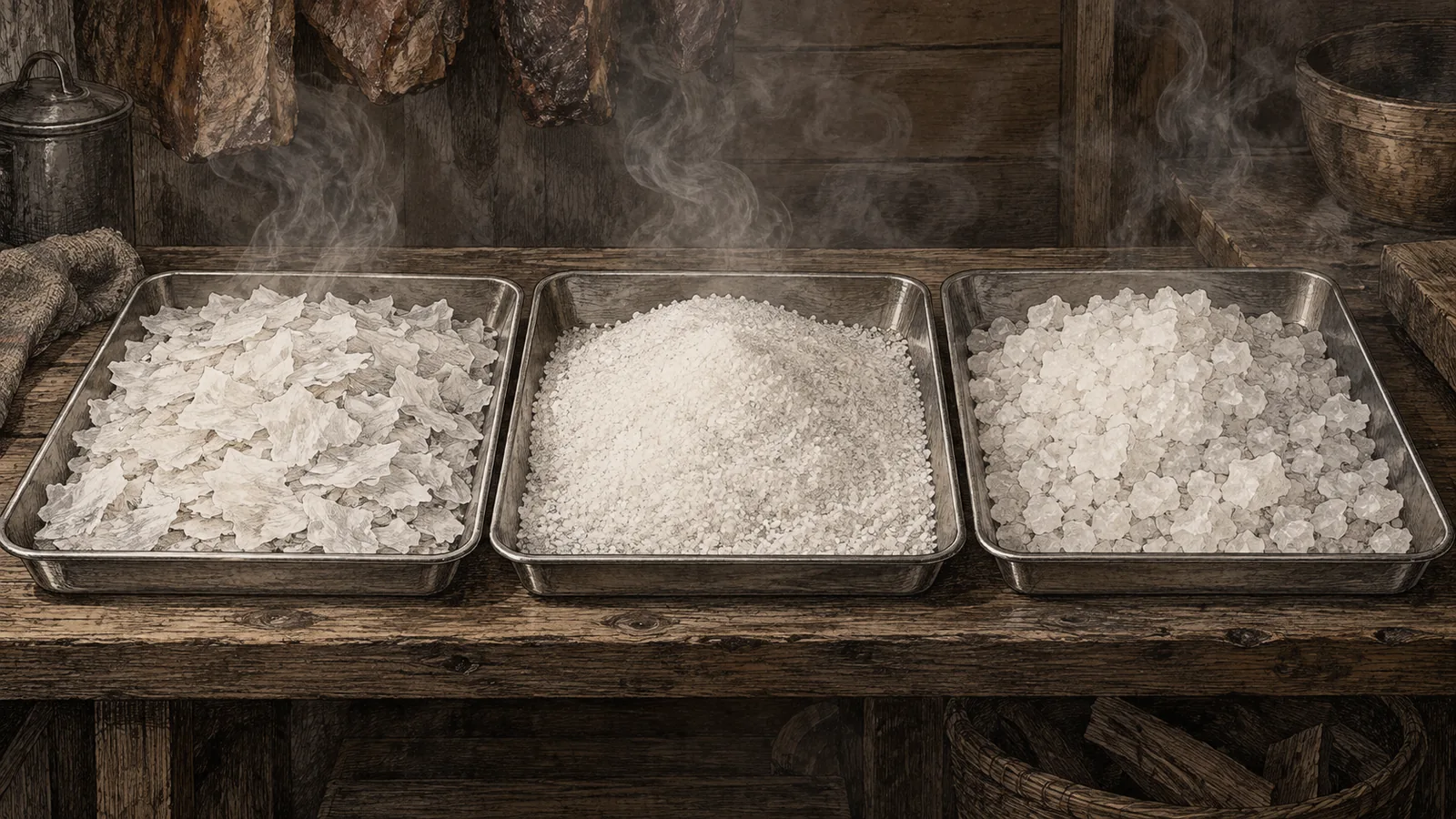
A 0.5 mm grain has about six times the surface per gram of a 3 mm one, and a thin flake can rival fine salt. What producers disclose about grain, and the question nobody has answered yet.
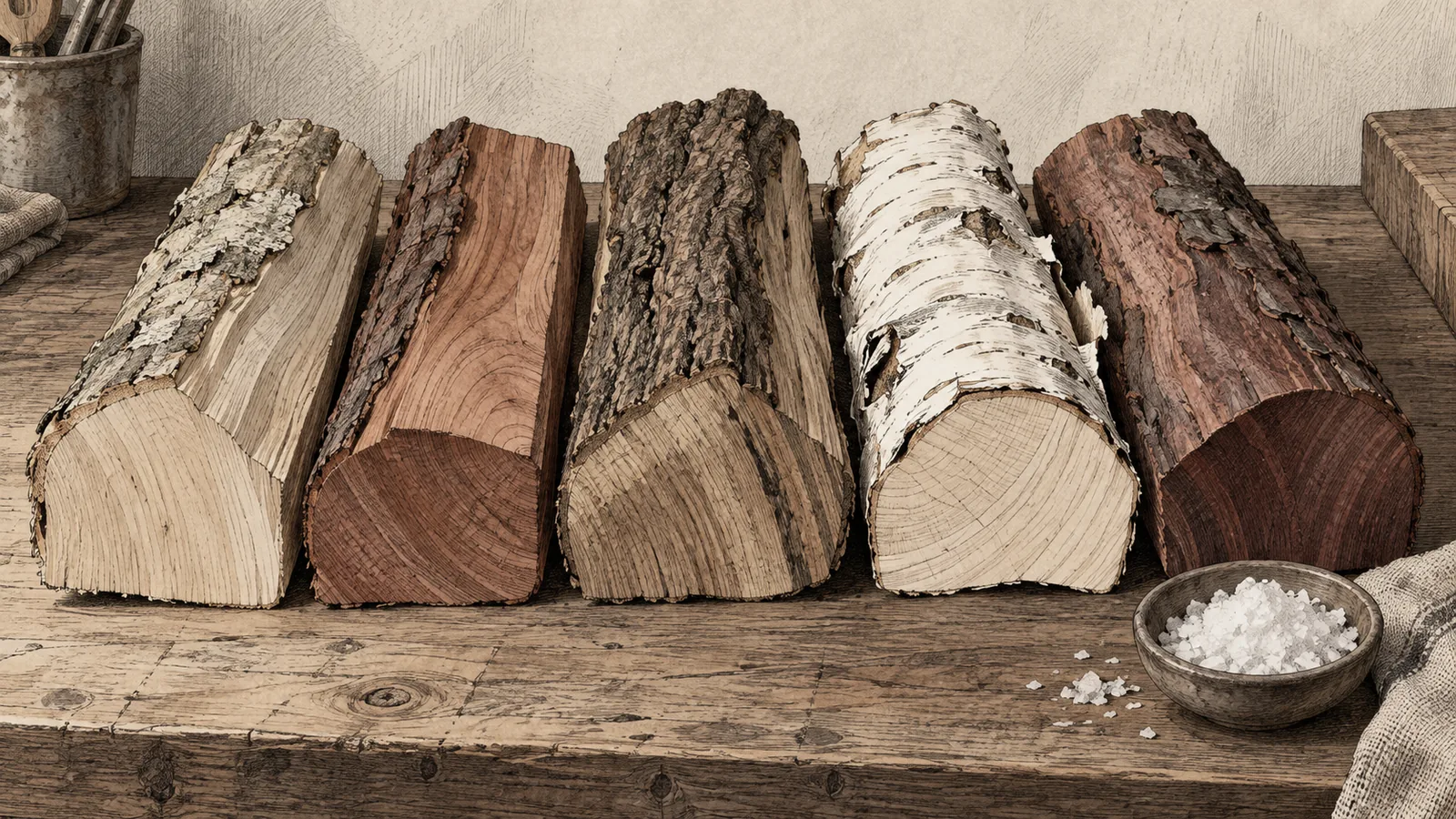
Redmond's hickory smoked salt is smoked over alder and hickory, by the company's own account. What smoked salt labels say about each wood is producer description; the measurements were mostly made on sausages.
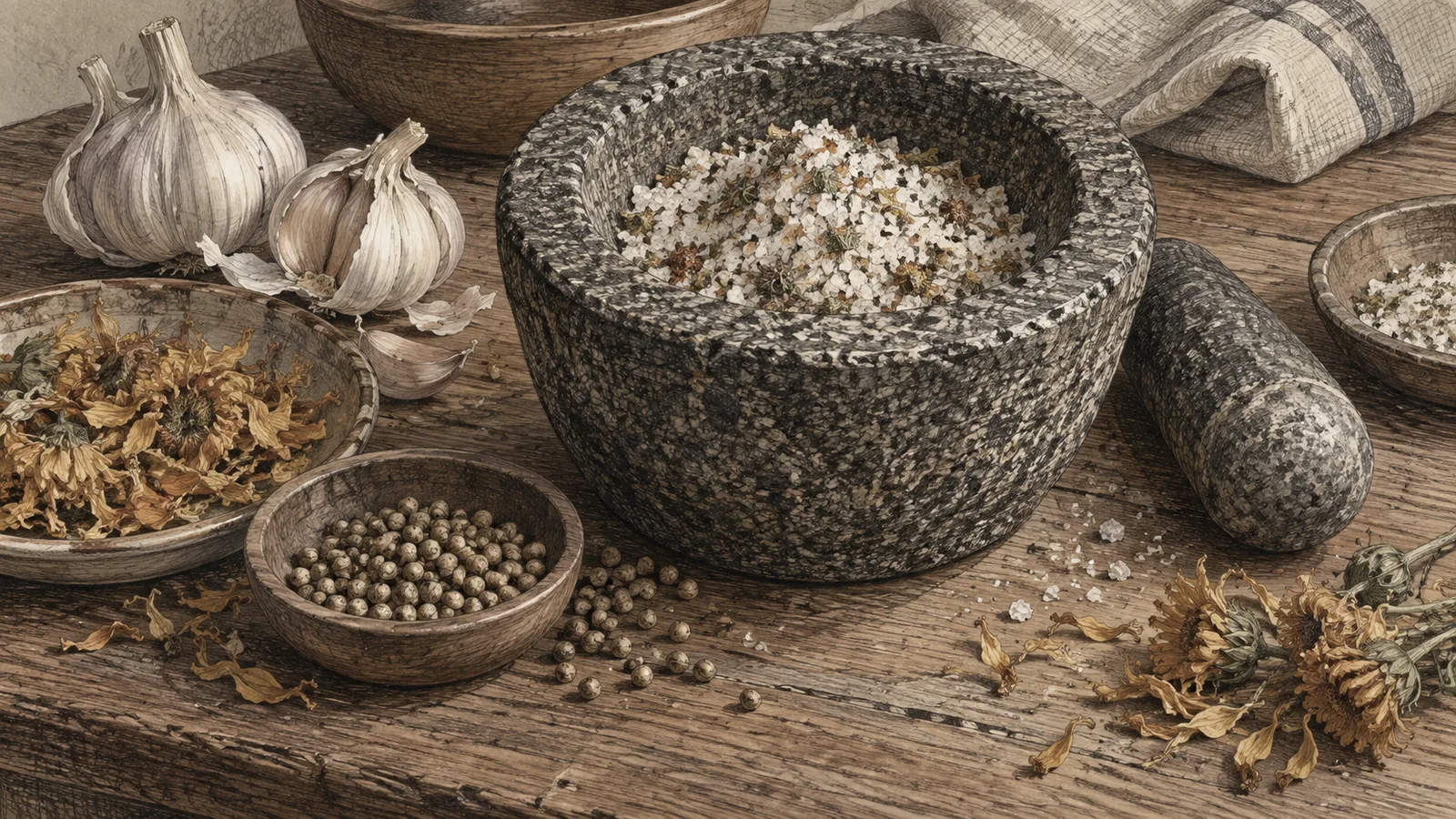
Georgia listed the making of Svan salt as intangible heritage in 2015. UNESCO did not, and the decree protects a method, not a recipe. What is actually in the jar, from Georgian sources.
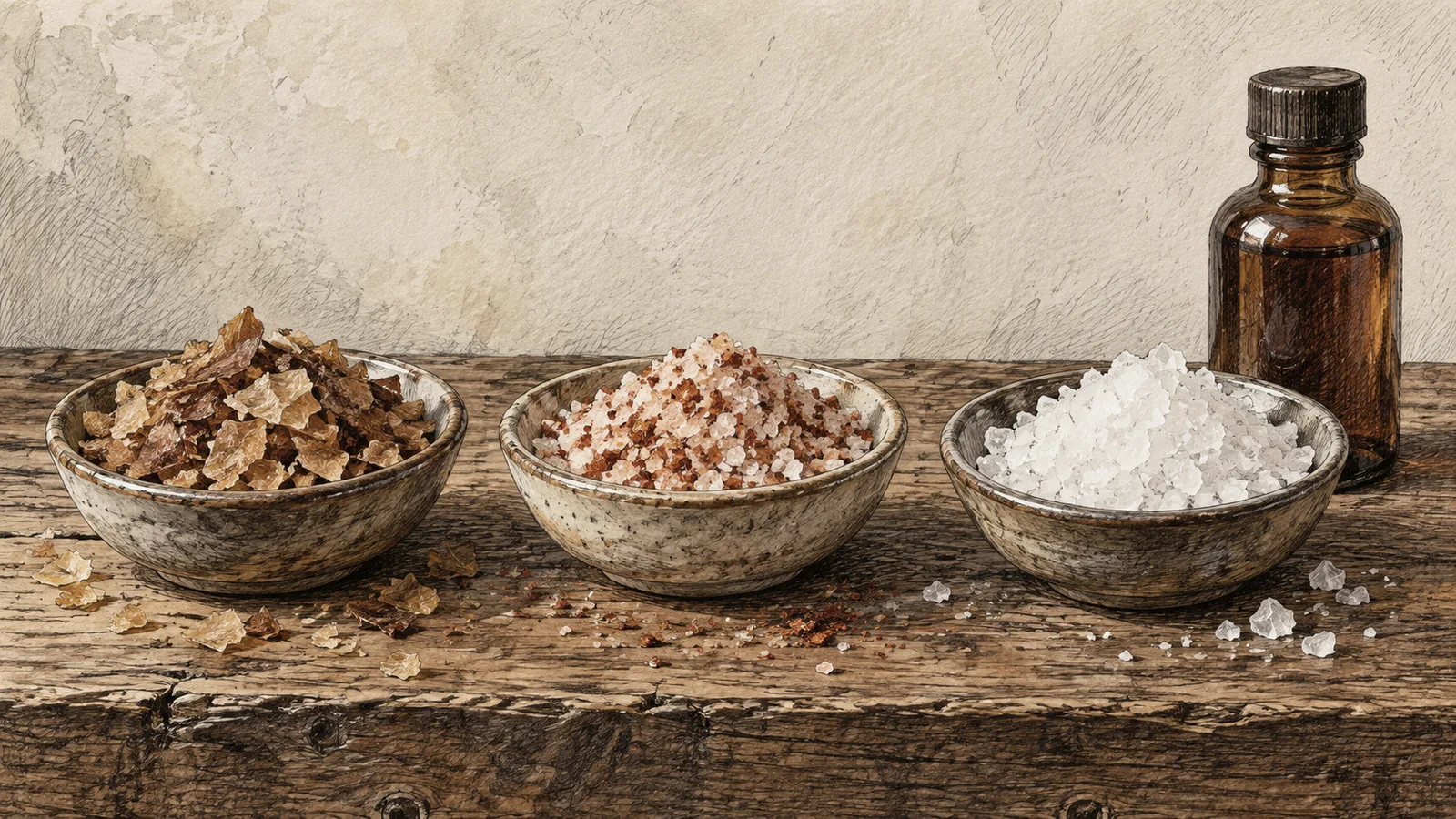
Salt that sat in wood smoke, salt coated in a smoke flavouring, and salt mixed with smoked paprika can all be sold as smoked salt. The ingredient list separates them, except for one gap in US rules.
Legally, nothing. No FDA, USDA or FTC rule defines artisan, small batch, hand-harvested or gourmet, while organic, Made in USA and natural flavor each carry a precise federal test.
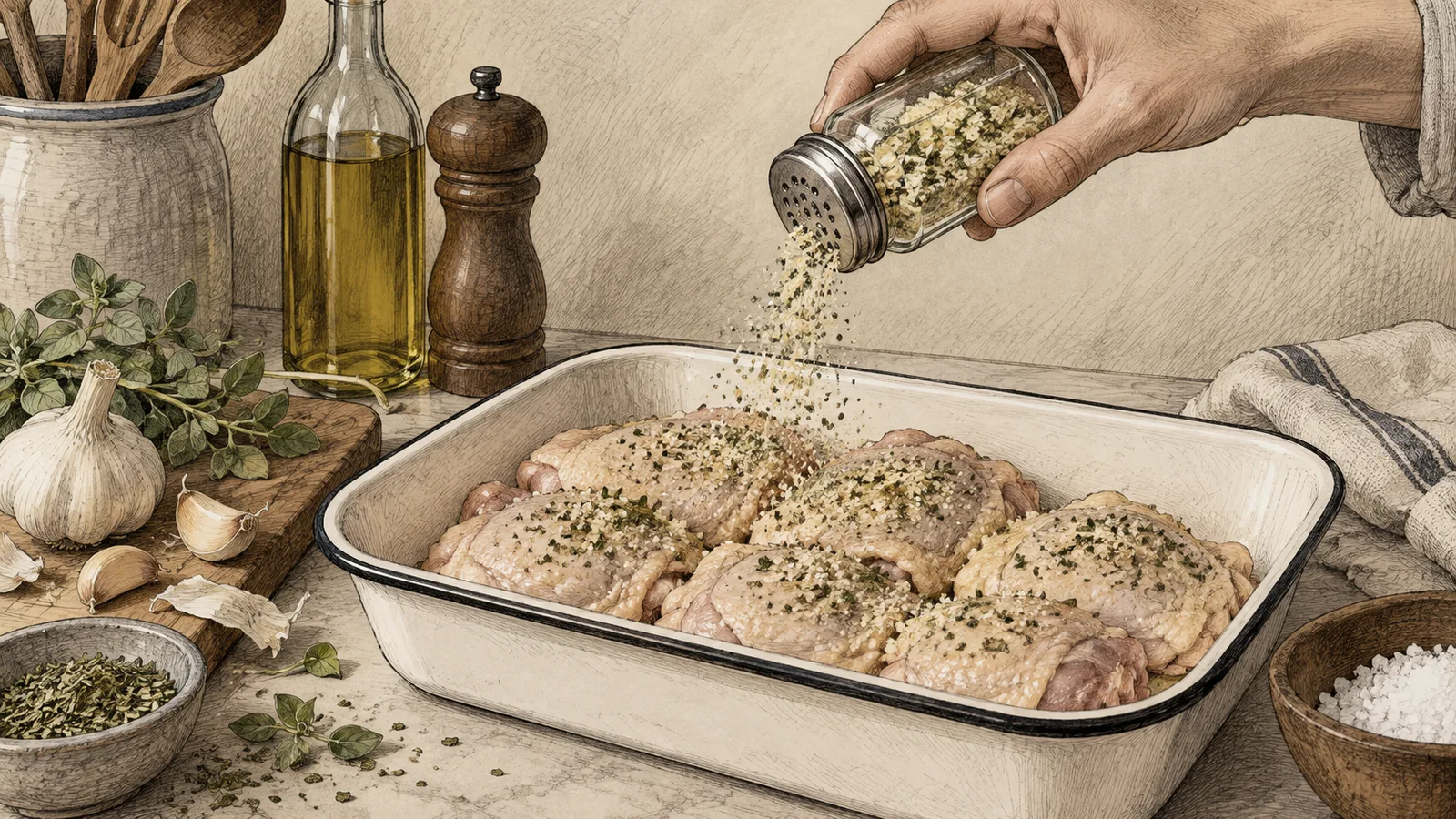
Six ingredients, no MSG, and roughly 88 per cent salt by weight. The Light version adds potassium chloride to halve the sodium, and the sea salt version prints exactly the same sodium as the original.
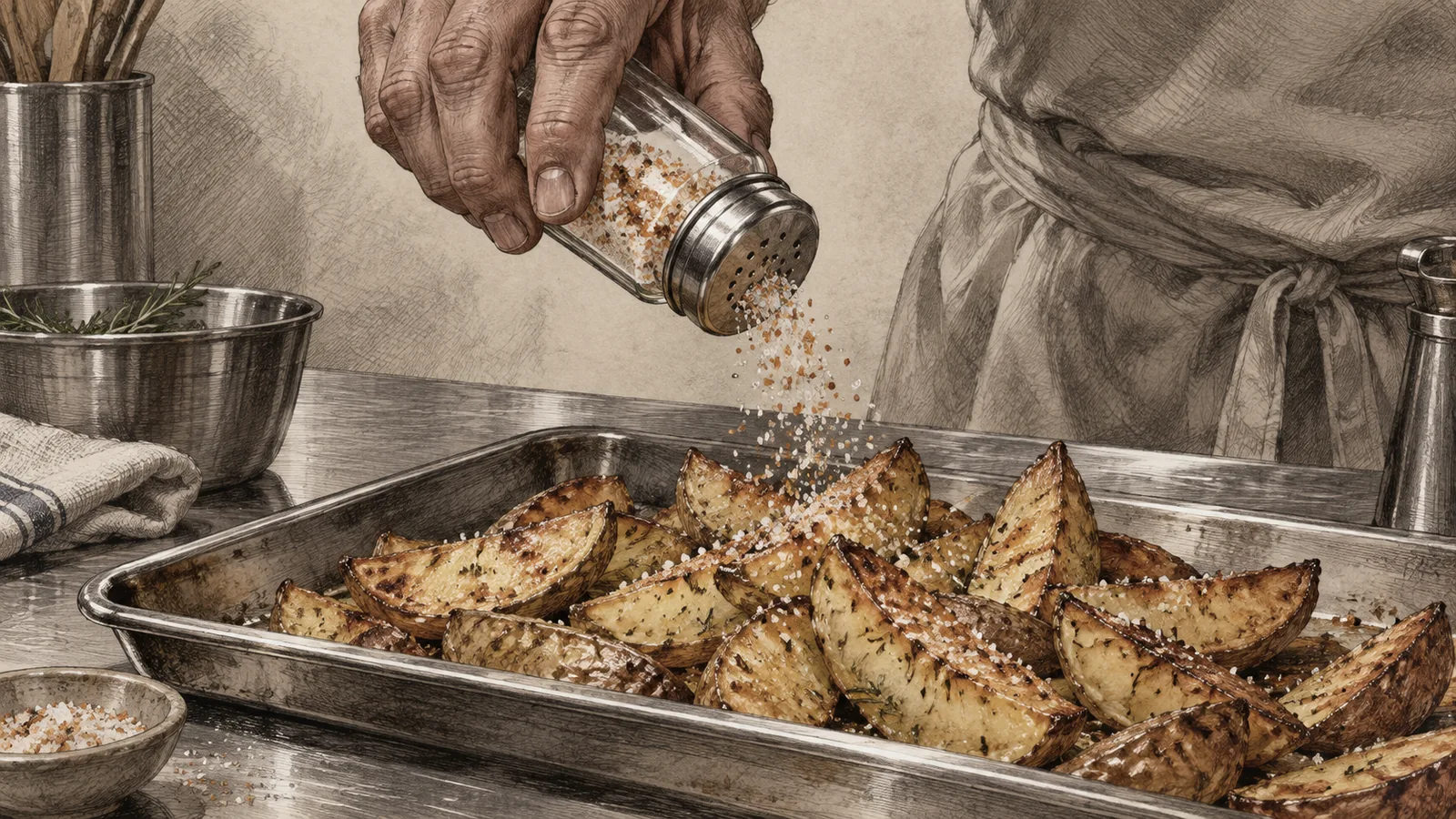
About four-fifths salt by weight, sugar second, and celery seed named on the retail label but not on the 40 oz foodservice one. The 1938 seasoned salt, read from its maker's own pages.
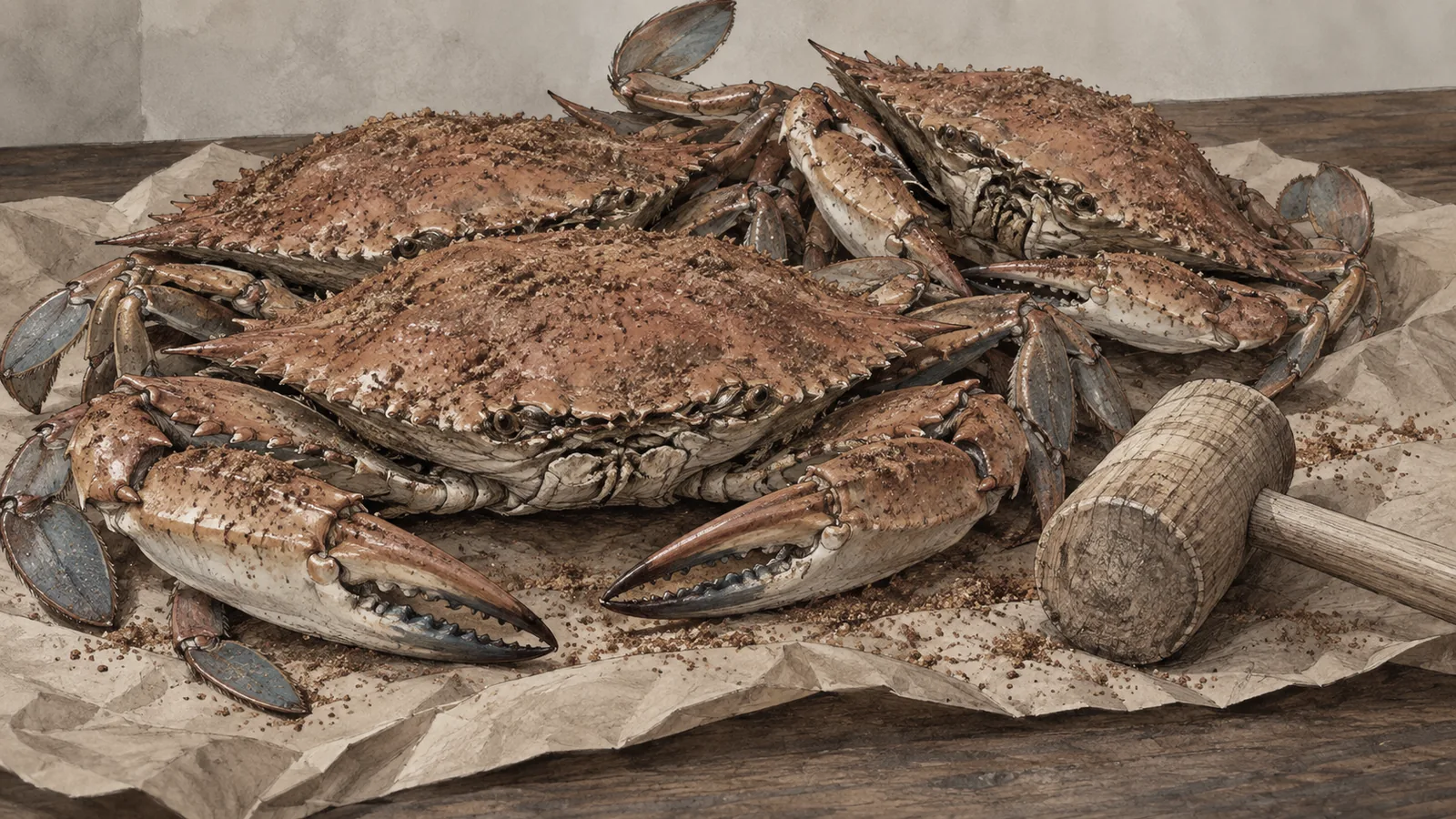
Celery salt, eighteen herbs and spices, and paprika. The order is on the tin, the proportions never have been, and by its own sodium line the blend is roughly three-fifths salt.
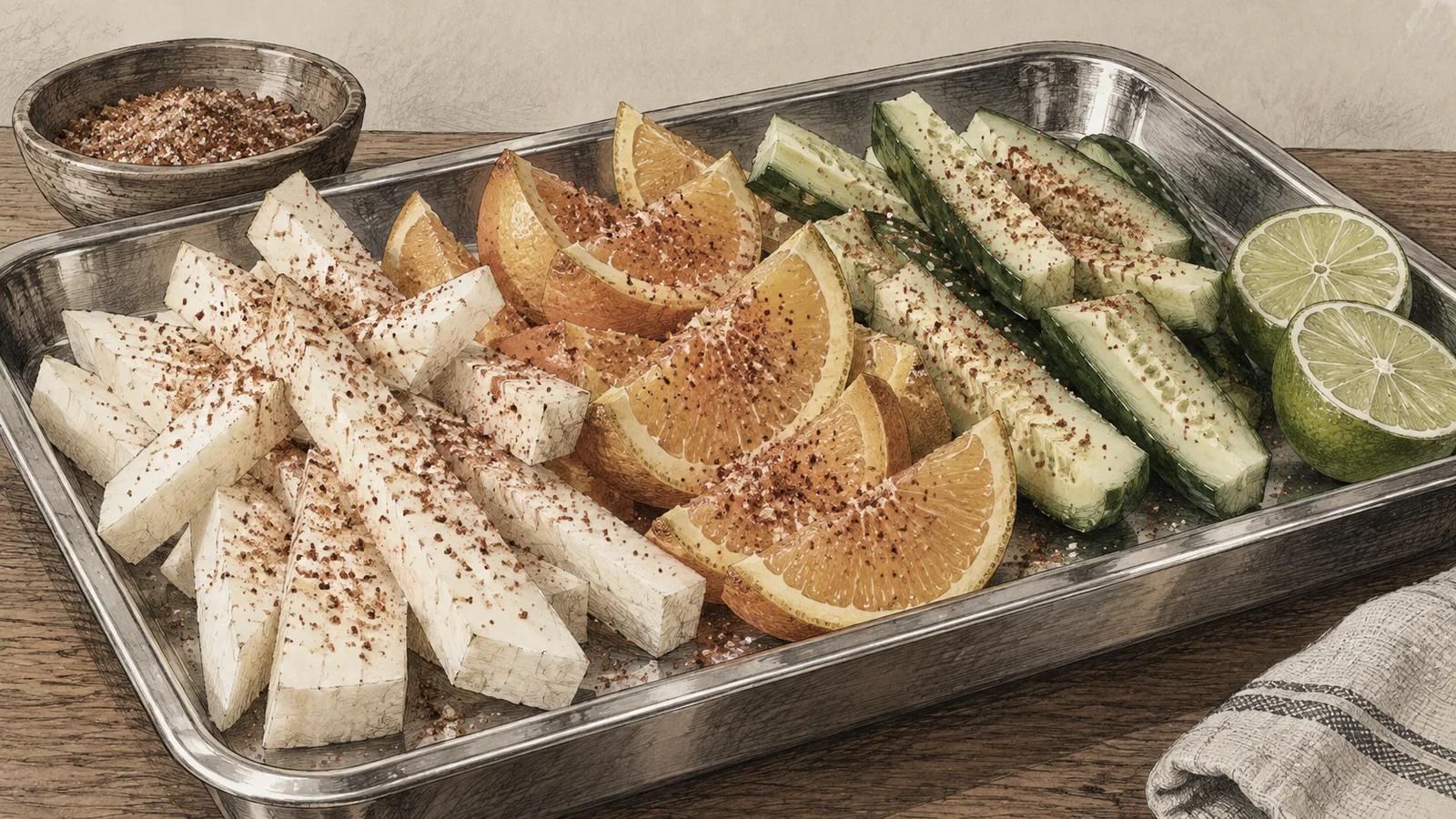
Chile, sea salt, dehydrated lime juice and an anti-caking agent, and about half of it is salt. A 1946 Mexican cookbook, read in snippet view, put the same idea on jicama and orange.
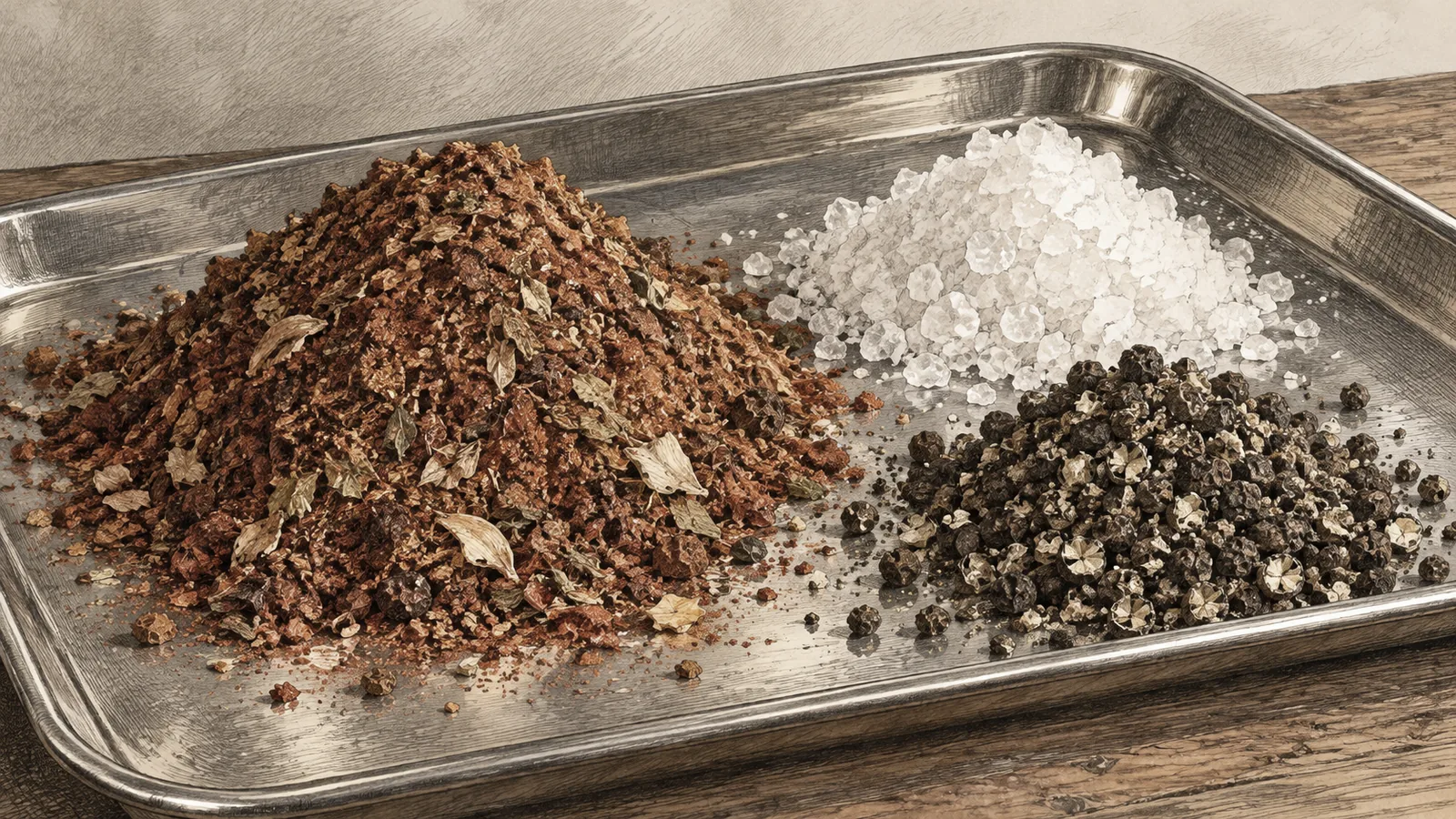
Salt first, and salt again inside the chili powder. More Spice lists the same six ingredients as the Original, and much of its 14 per cent sodium cut is a lighter quarter-teaspoon.
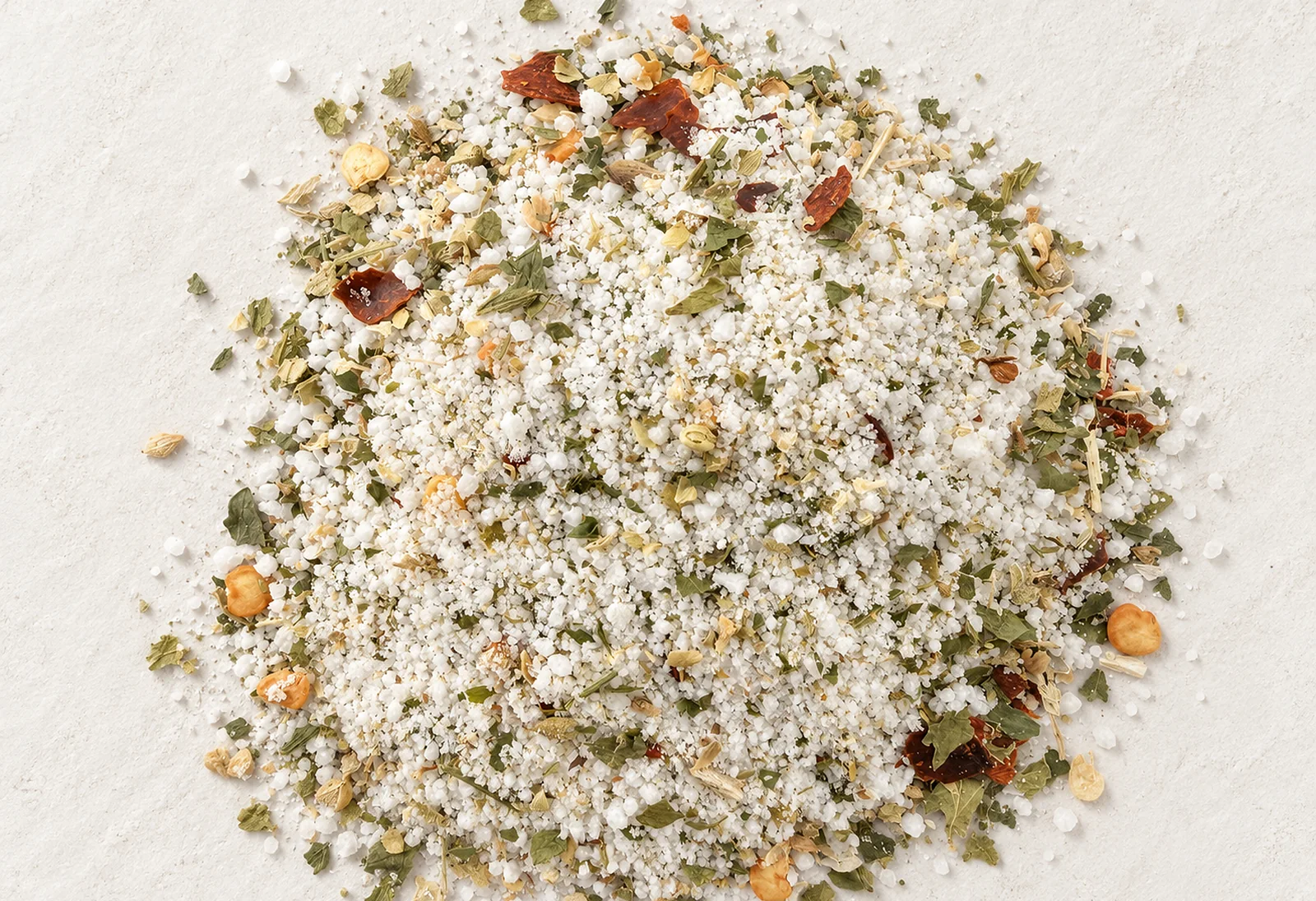
What the proposed jars actually held, what the camera revealed, and why the first chimichurri blend is not finished yet.
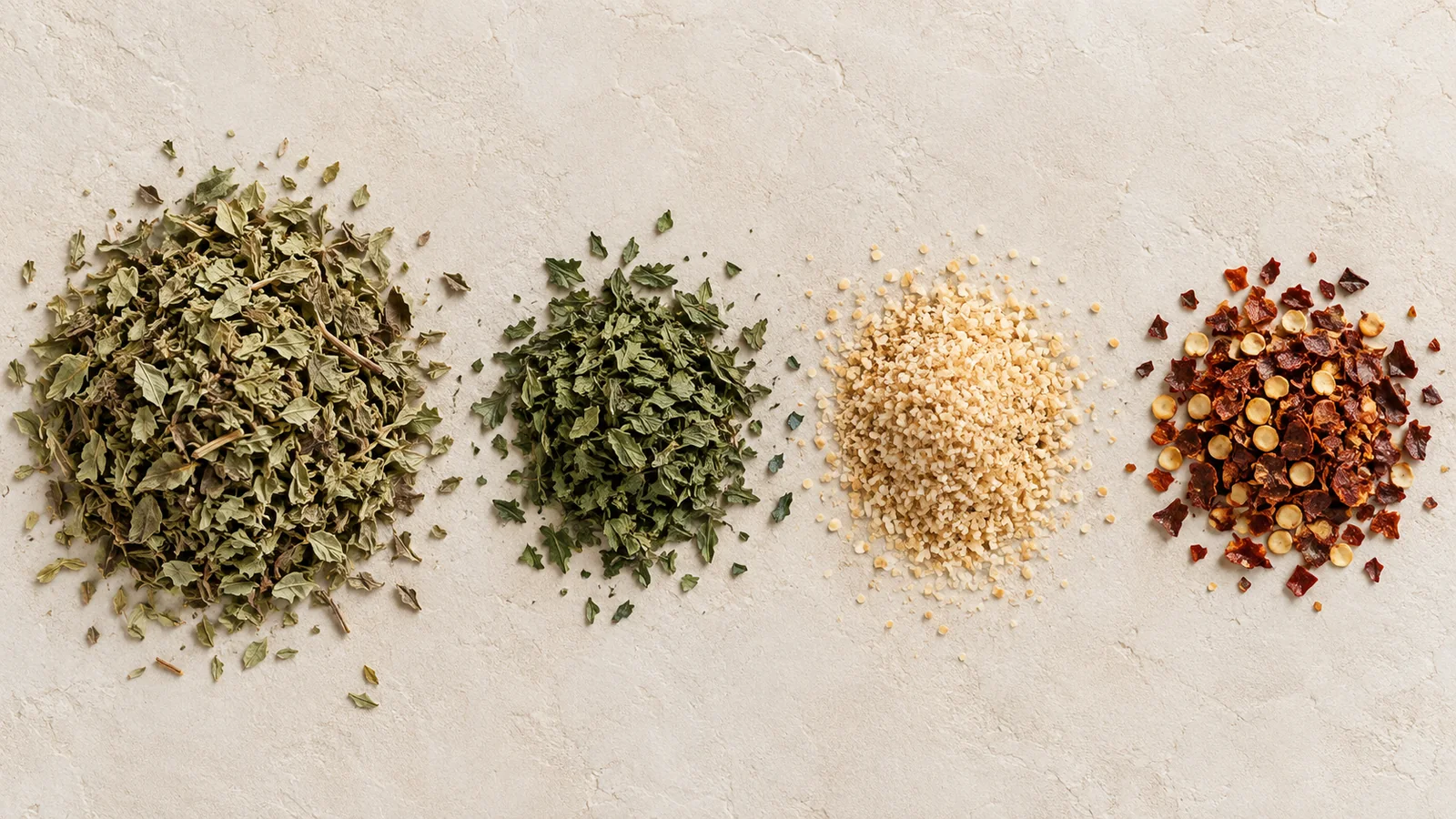
Oregano, parsley, garlic granules and crushed chile, bought jar by jar and examined before any salt enters the blend.
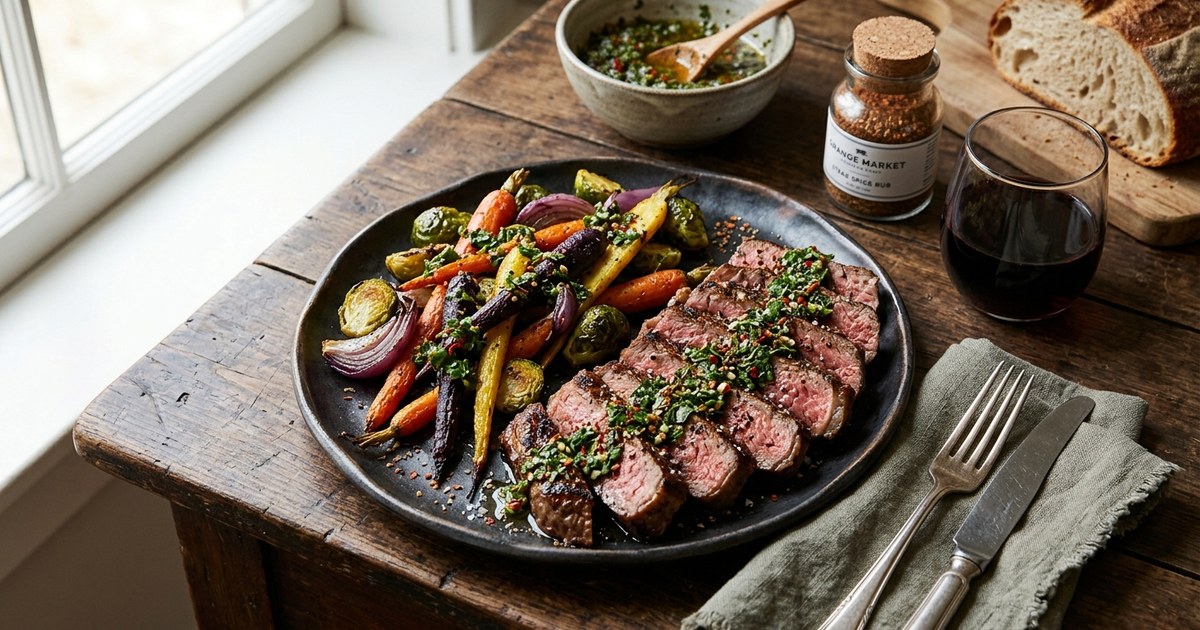
From flake salt and fleur de sel to potassium salt, curing salt and smoke flavor: a plain-language reference to the words printed on salt boxes, ingredient panels and restaurant menus.
Both are mineral salts and both can taste salty. Sodium chloride is ordinary salt; potassium chloride is the most common sodium replacement, with a different taste, nutrition panel and risk profile.
Lite salt usually blends sodium chloride with potassium chloride. A salt substitute may contain little or no sodium chloride. The front names vary, so the ingredient and nutrition panels do the real work.
A potassium-based substitute can work in ordinary cooking. Baking and preservation are different: salt controls dough, fermentation, texture and safety, so the recipe and process decide whether substitution is acceptable.
Garlic powder is dehydrated garlic. Garlic salt combines garlic with salt, so it seasons and salts at the same time. Substitution depends on the product's ingredient ratio, not a universal spoon-for-spoon rule.
Seasoning salt is salt preblended with spices and other flavoring ingredients. That simple definition covers products as different as garlic-and-oregano adobo, chile-lime salt and an all-purpose shaker containing sugar, starch and flavor enhancers.
Most lower-sodium salt substitutes replace part of the sodium chloride with potassium chloride. They can reduce sodium, but they are not a universal swap: kidney function, medicines, pregnancy and age all matter.
A salt blend can be a household recipe, a protected cultural practice, a snack seasoning or an engineered retail powder. These traditions share a carrier, but not a history or a method.
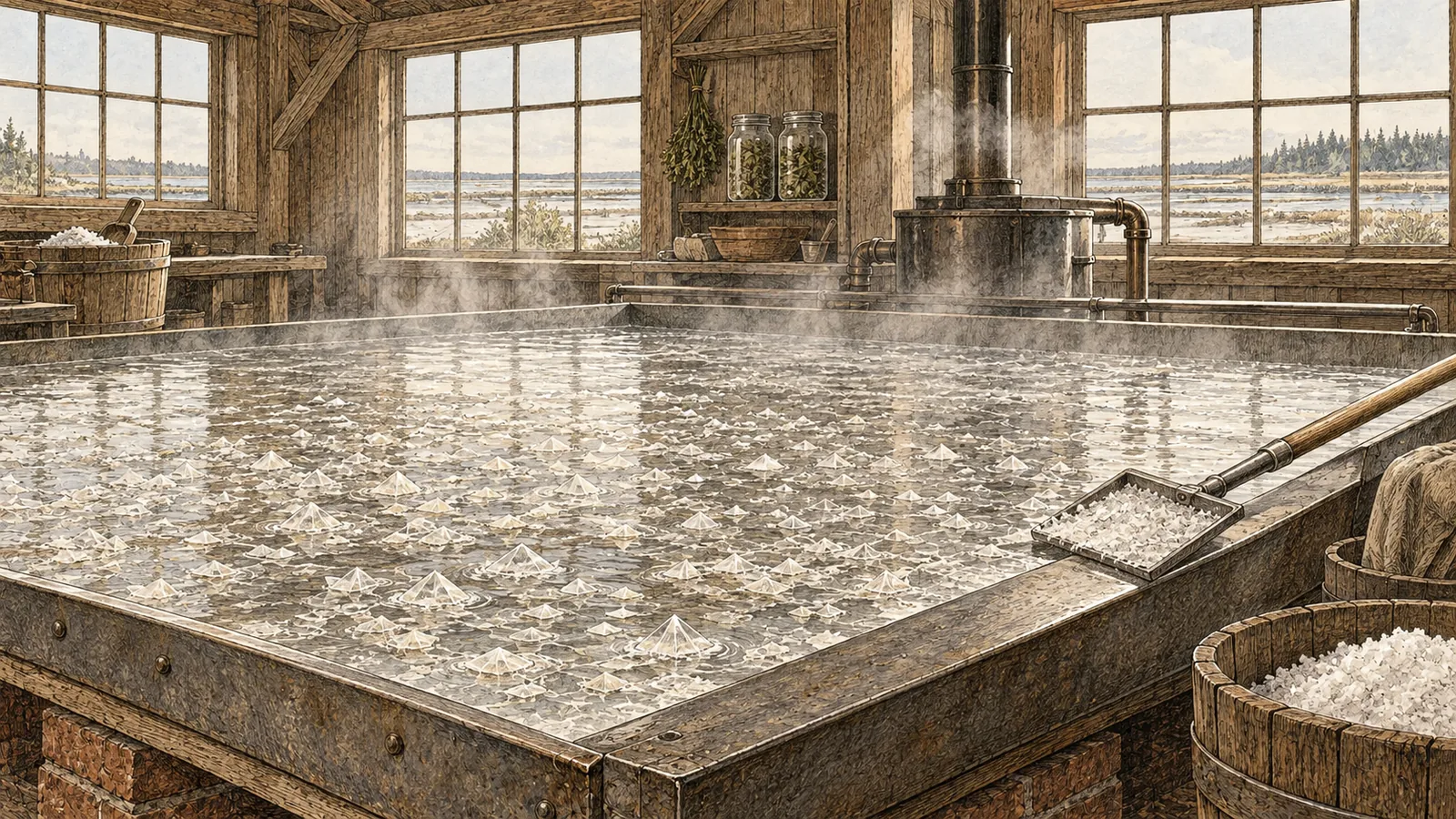
Jacobsen makes flake and kosher salt on Netarts Bay and says on its own FAQ that its fine salt is harvested by partners in Trapani, Italy. The disclosure is the achievement.
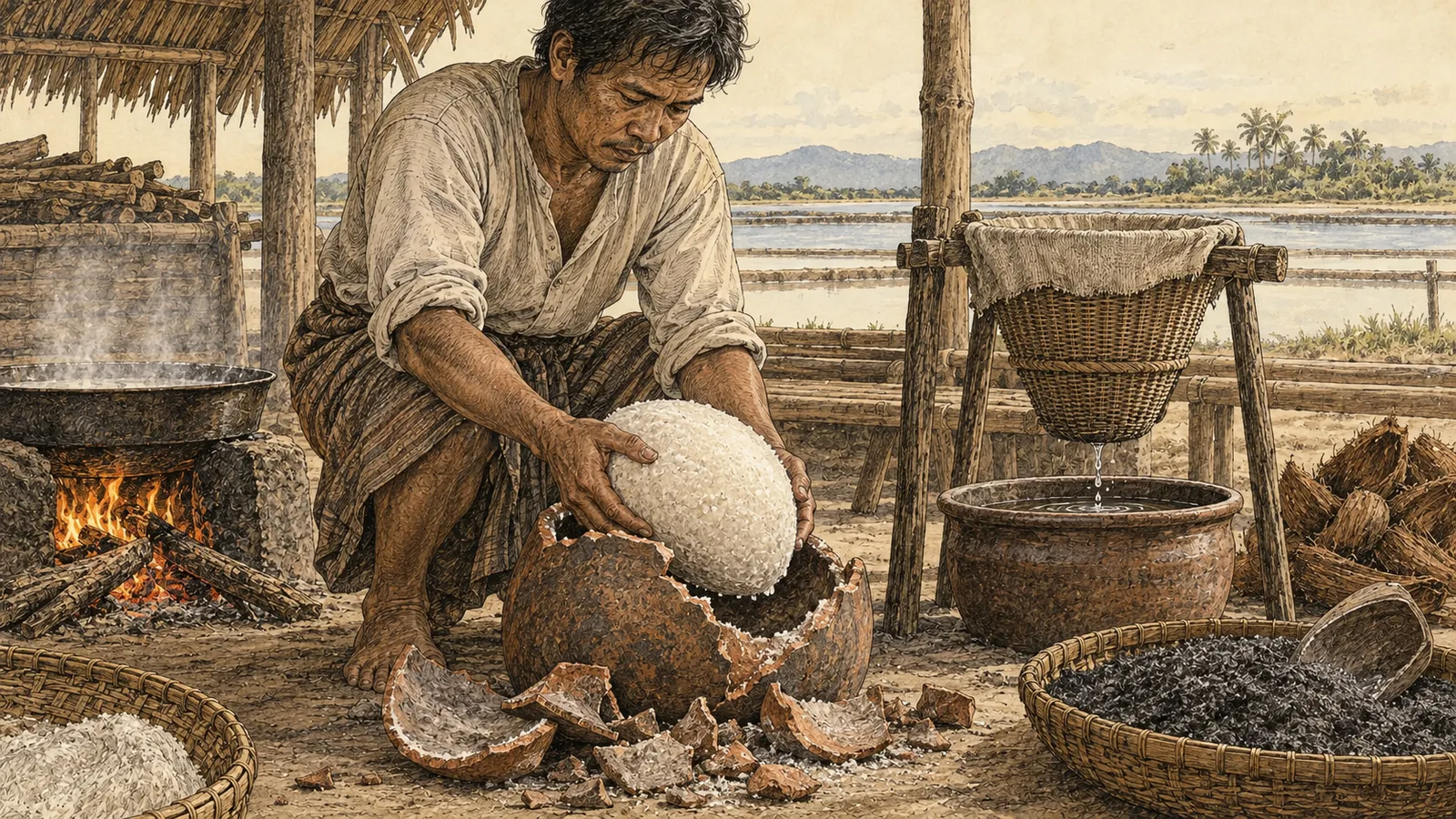
UNESCO put it on the urgent safeguarding list in December 2025, and the Philippine geographical indication covers exactly one town. A batch takes three months and destroys the pot it is made in.
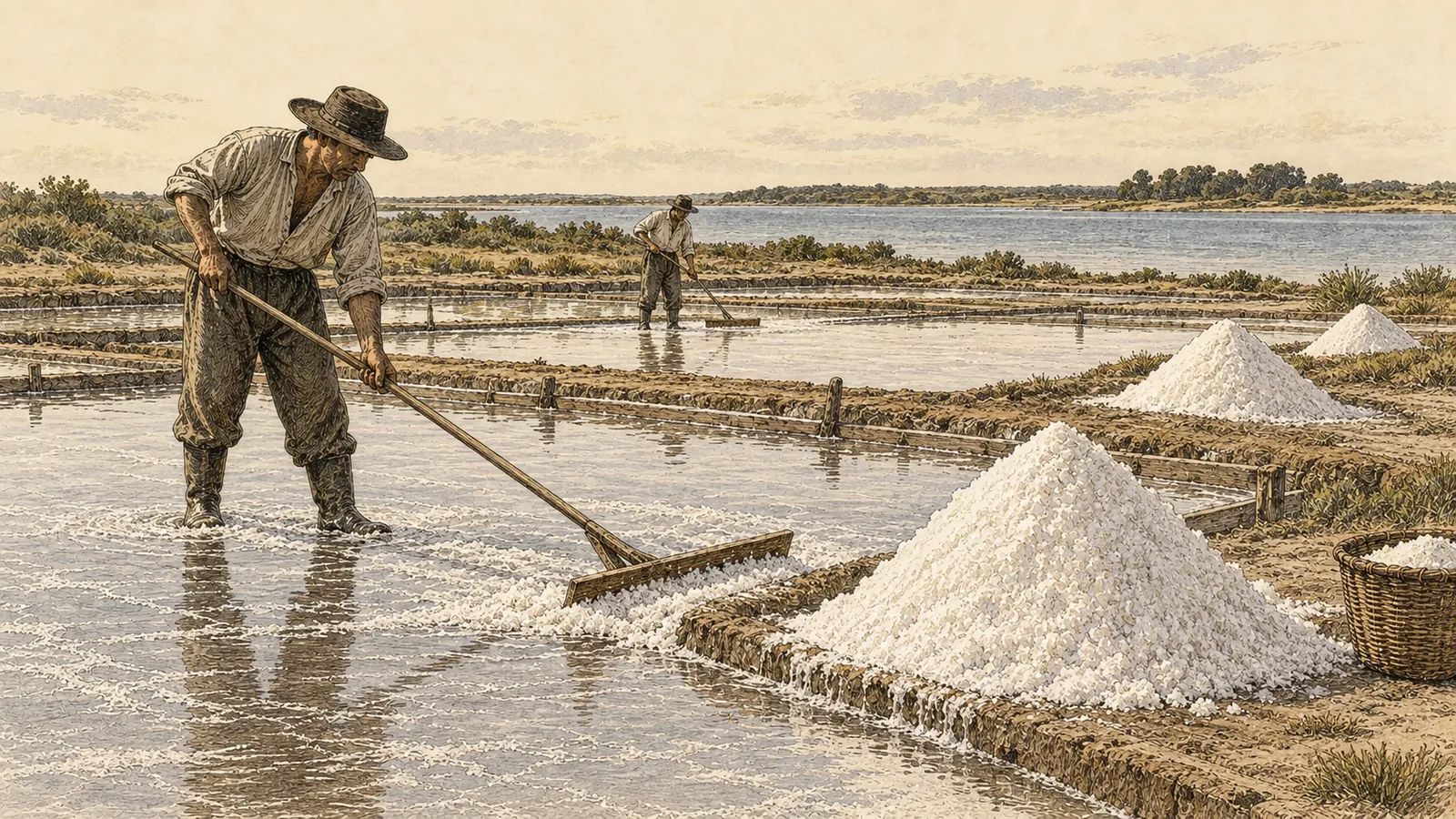
Chile registered a denomination of origin for its coastal lagoon salt in 2013, and the title is held by a single company. By July 2026 the economy minister said production had gone to zero.
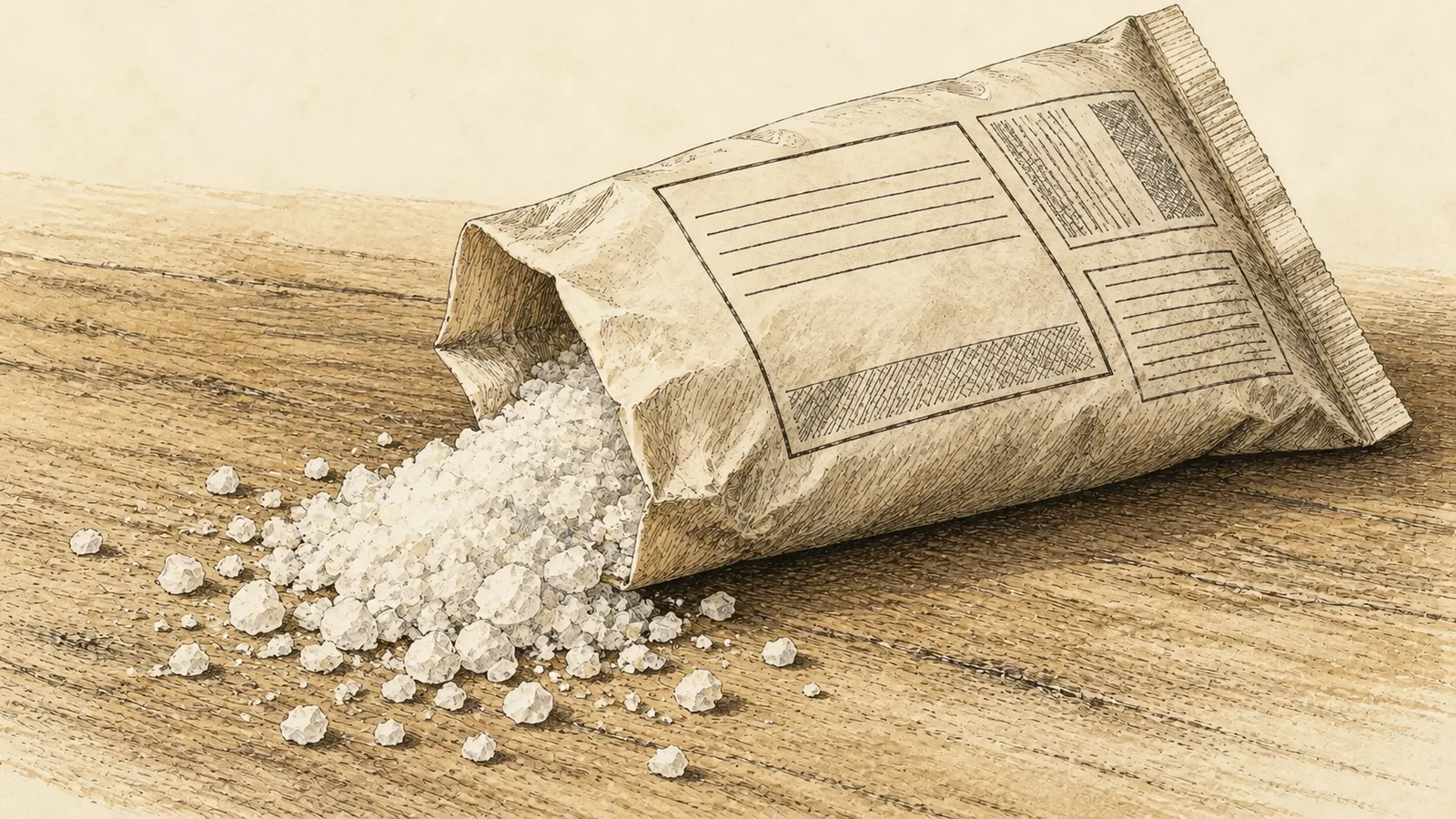
USDA guidance says salt is a mineral and cannot be certified organic. The EU disagreed, put salt inside its organic rules in 2022, then vetoed its own production standard in 2023.
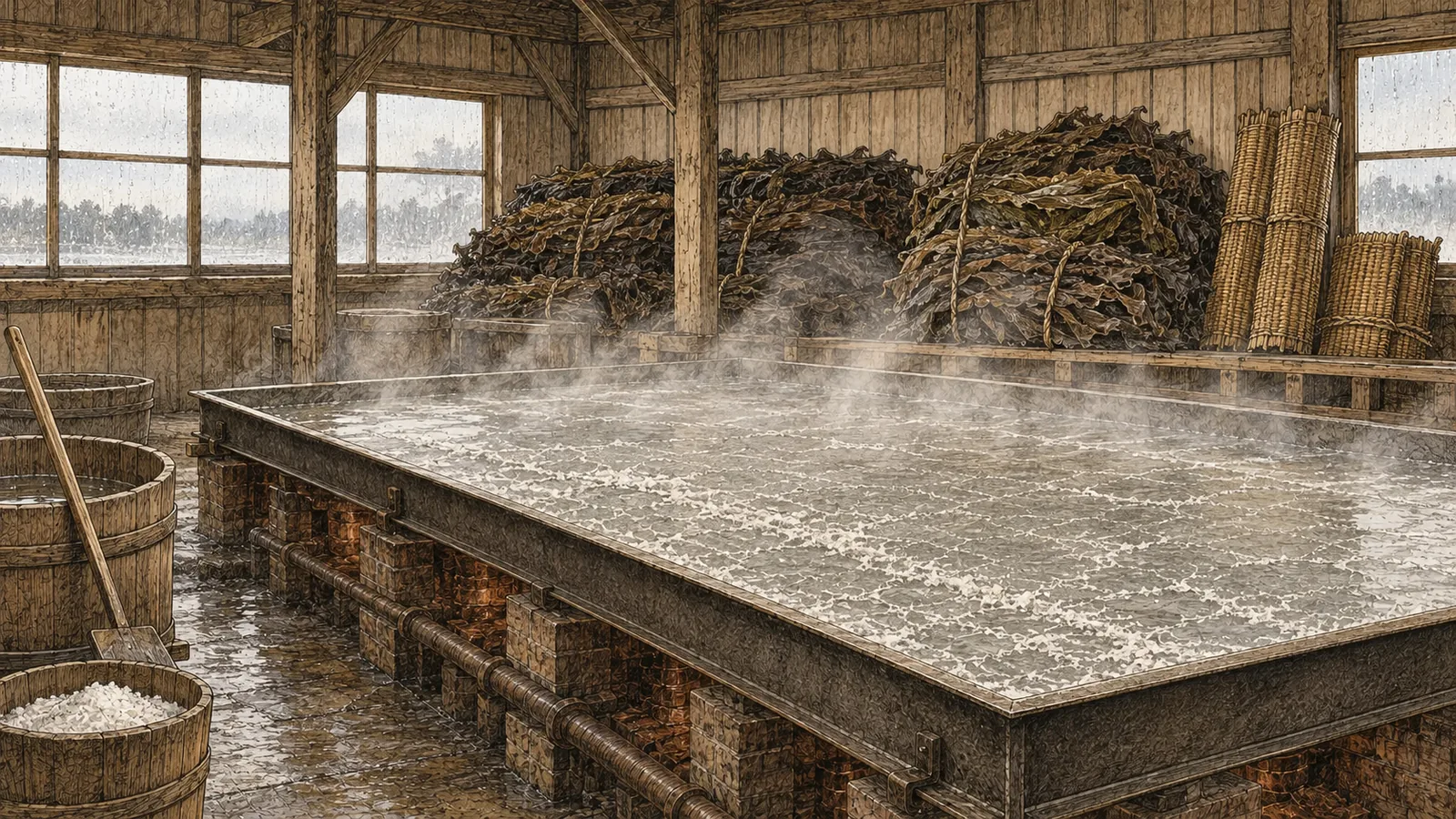
The Japanese salt industry body says heavy rainfall and high humidity rule out open-air ponds. So one famous Japanese salt is concentrated with seaweed, and another dissolves imported salt in Seto Inland Sea water.
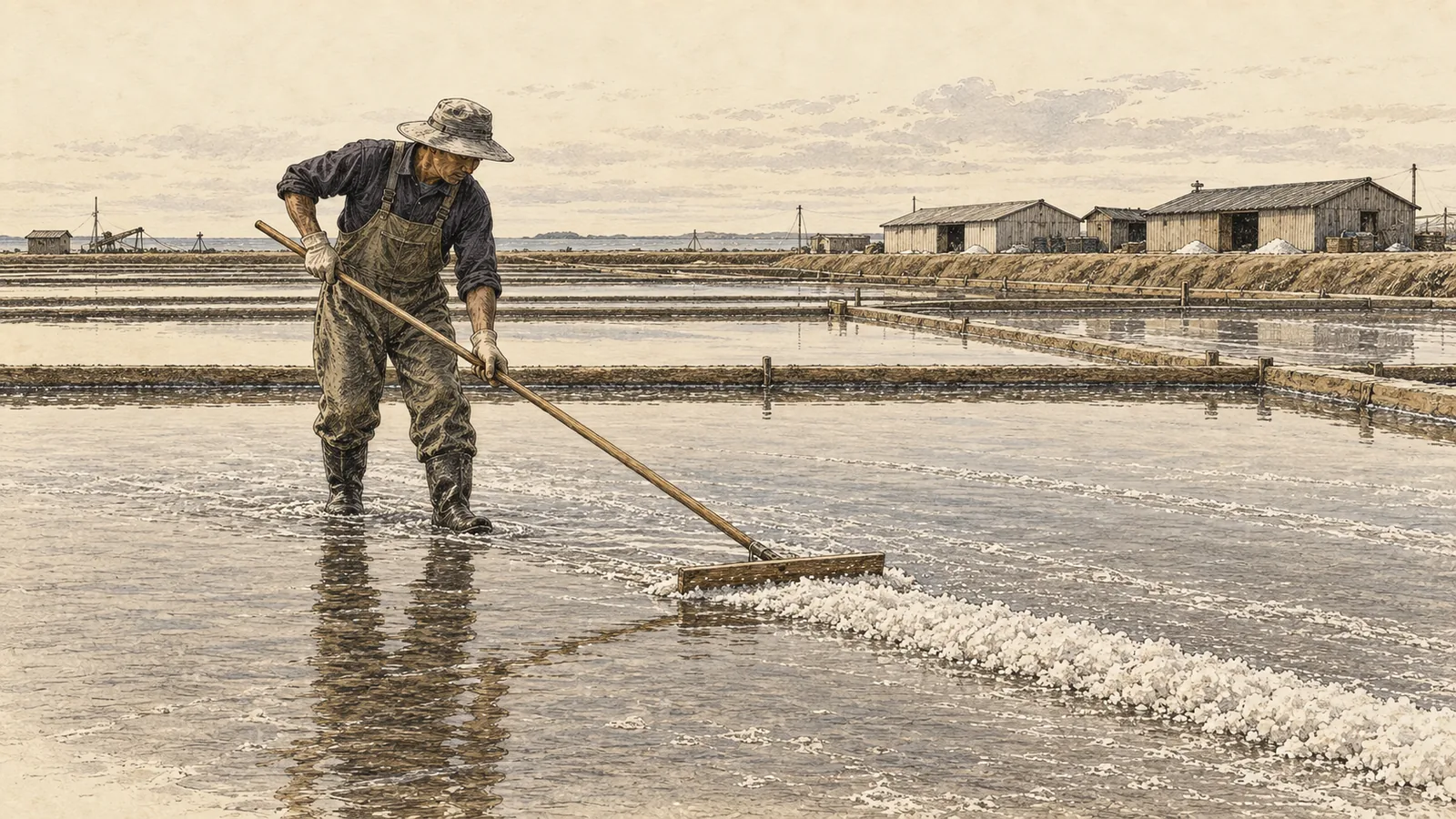
Korea dates the pond method to 1907, not antiquity. There is no geographical indication. And since April 2025 US customs has detained sea salt from the largest farm on information that reasonably indicates forced labour.
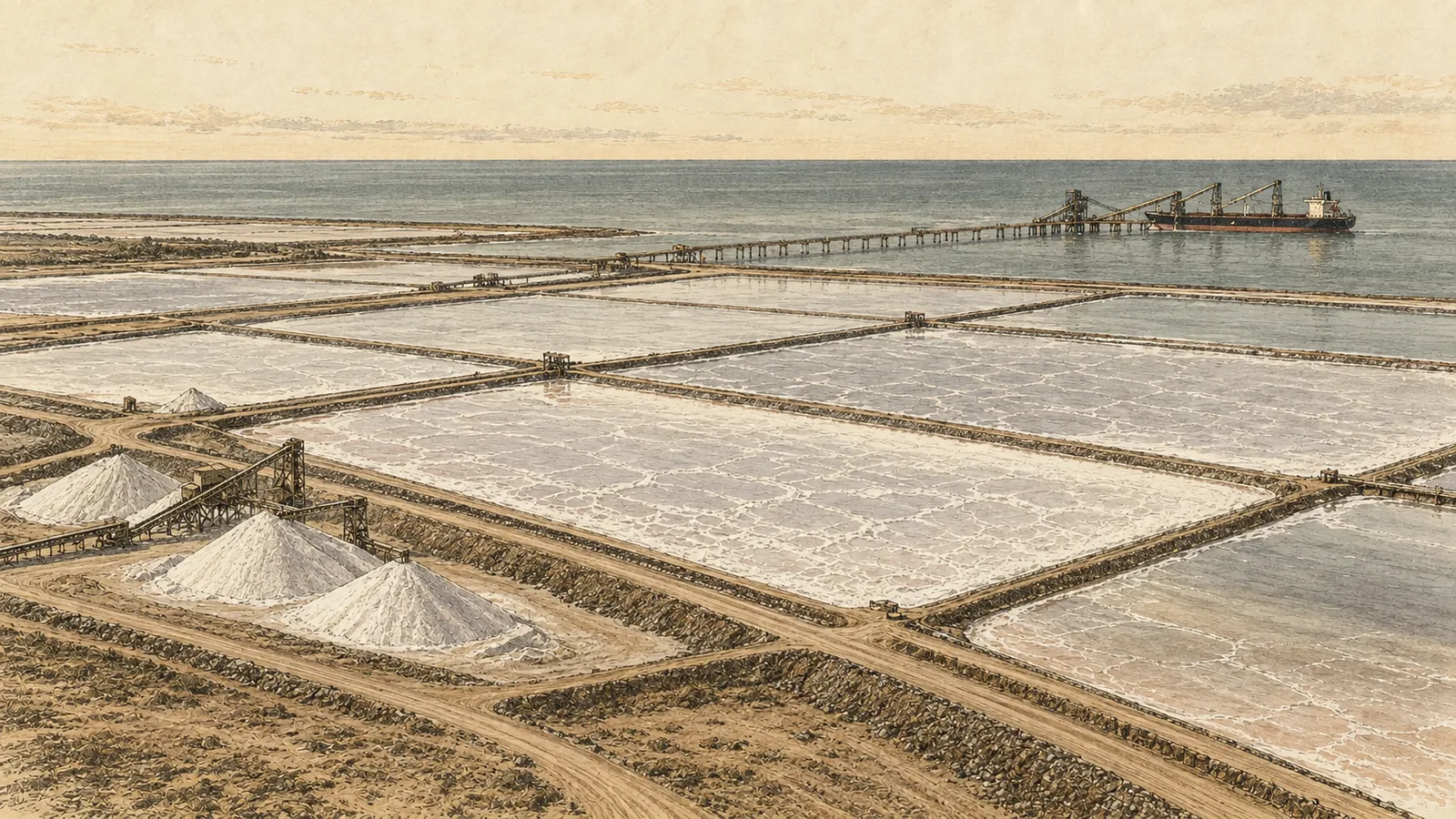
World production ran to an estimated 270 million tonnes in 2025. Food processing took 4 per cent of US salt sales. The rest went to chlorine chemistry and frozen roads.
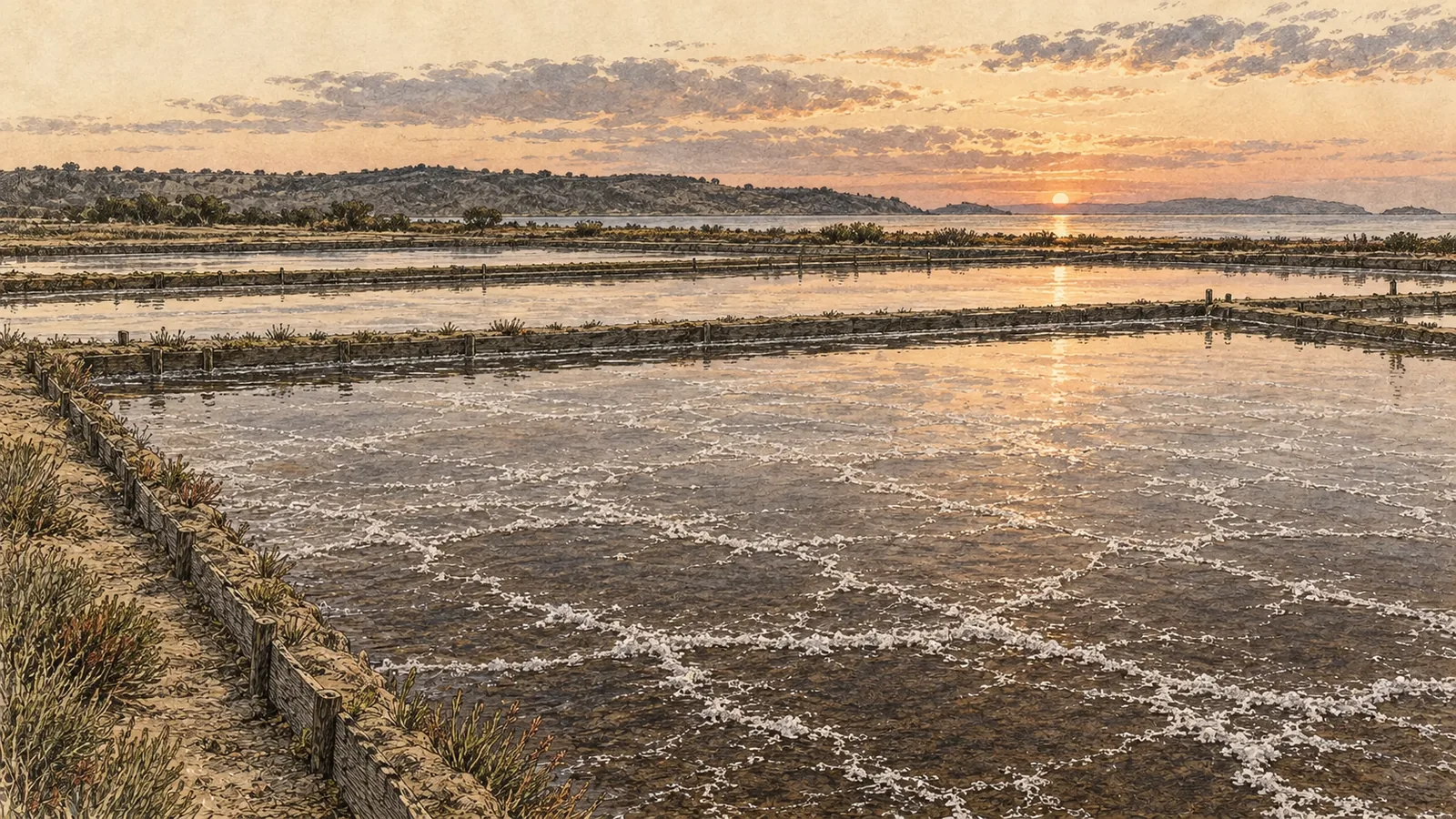
The Slovenian PDO specification requires the salt workers to cultivate a one-centimetre crust of cyanobacteria, gypsum and clay on the pond floor before a single crystal is allowed to form.
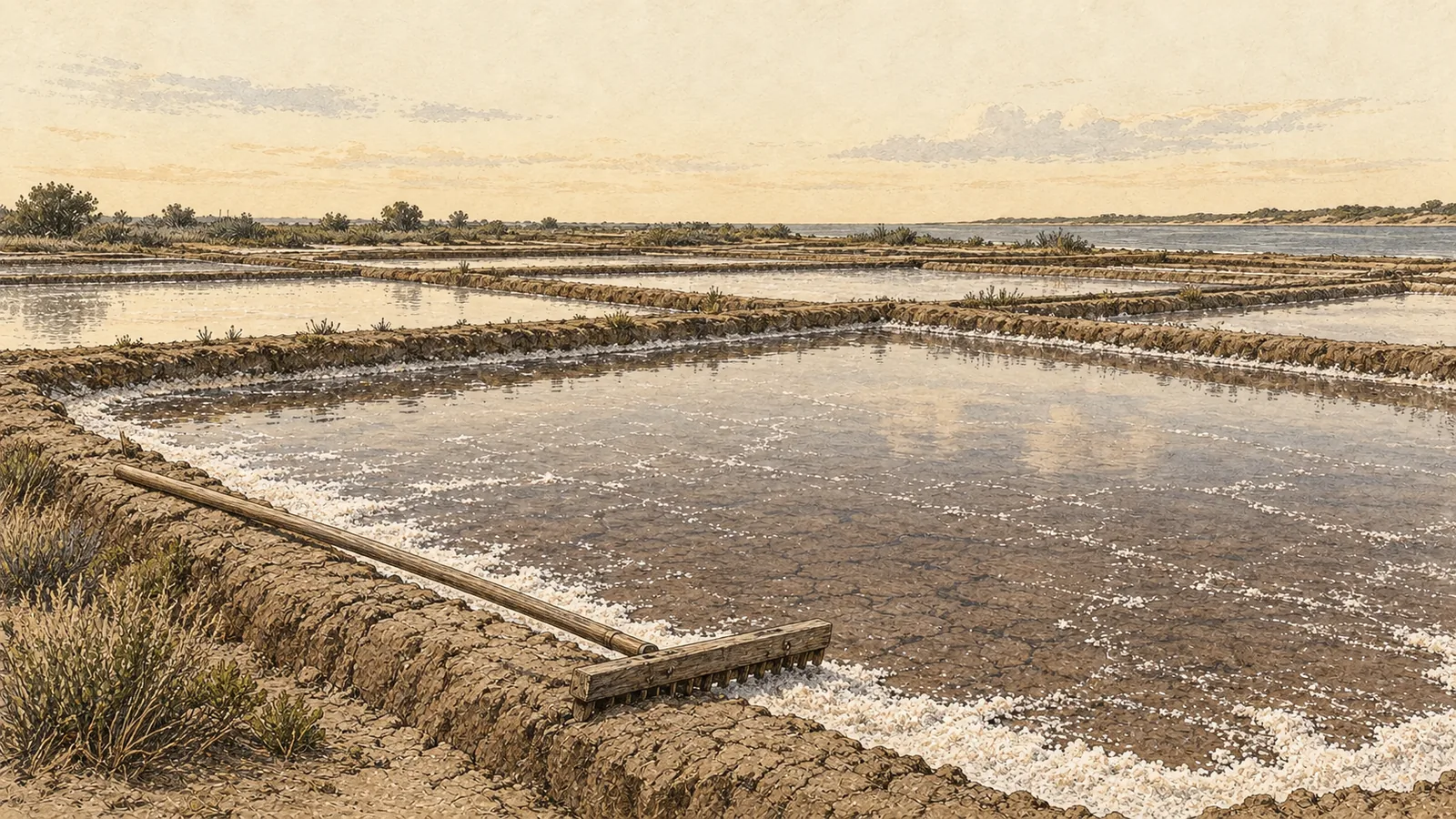
Ten names sit in the EU salt register and two of them are not sea salt at all. Maldon is not among them. One specification forbids washing; another permits drying at 250 degrees.

Vacuum salt names a process, not an origin. The best-known table salt in Japan is made from Mexican and Australian pond salt, dissolved in Japanese seawater and crystallised a second time.
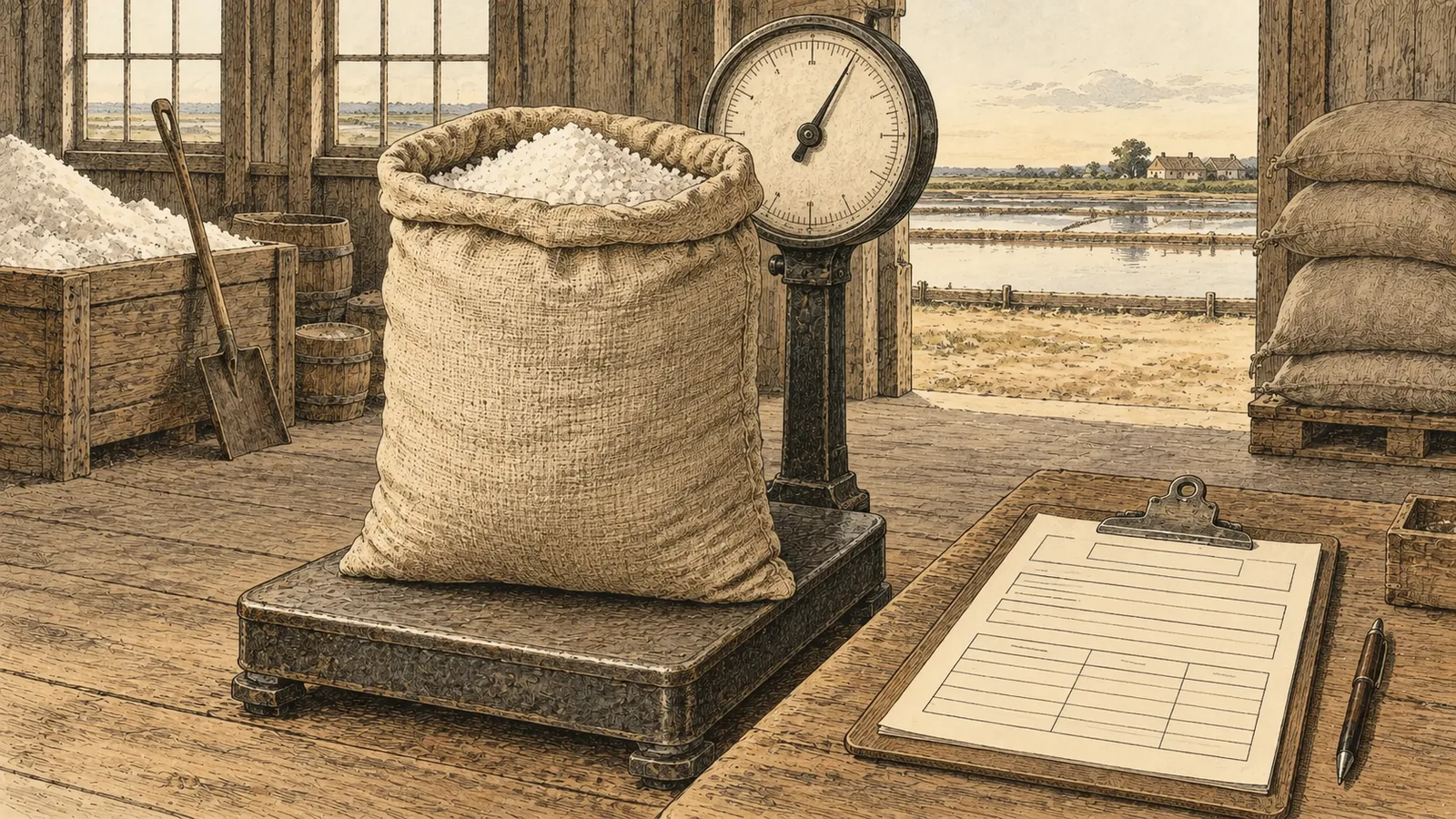
IFS puts it in one line: one legal entity, one address, one certificate. BRCGS, IFS, SQF and FSSC 22000 are GFSI-recognised programmes. ISO 22000 is a standard, and HACCP is not a certificate at all.
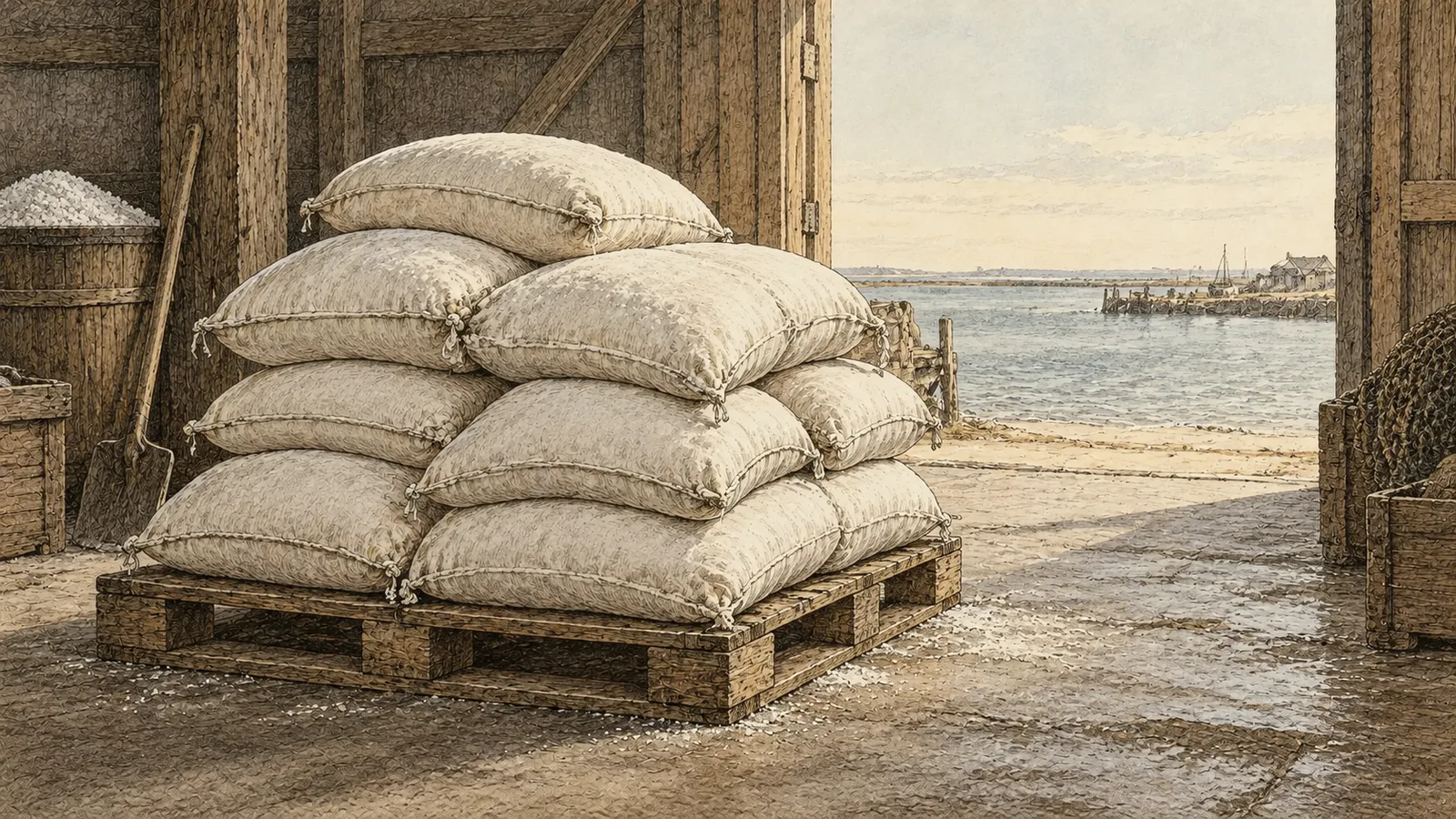
Falksalt is marketed from Sweden and manufactured in Cyprus, by its own data sheet. Jacobsen makes flake salt in Oregon and buys its fine salt in Sicily. Brand and origin are different facts.
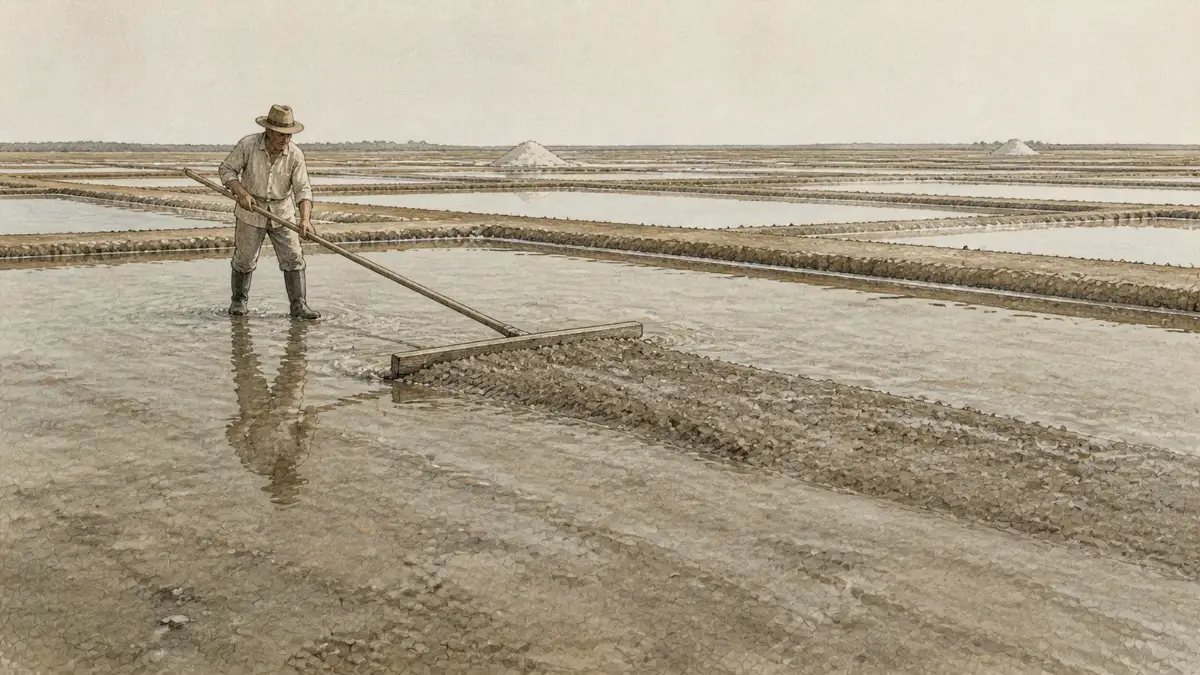
Every sea salt starts as seawater at 3.5%, and every maker has to remove the other 96.5%. Five ways to do it, the ladder of densities they all climb, and which rung our own jar sits on.
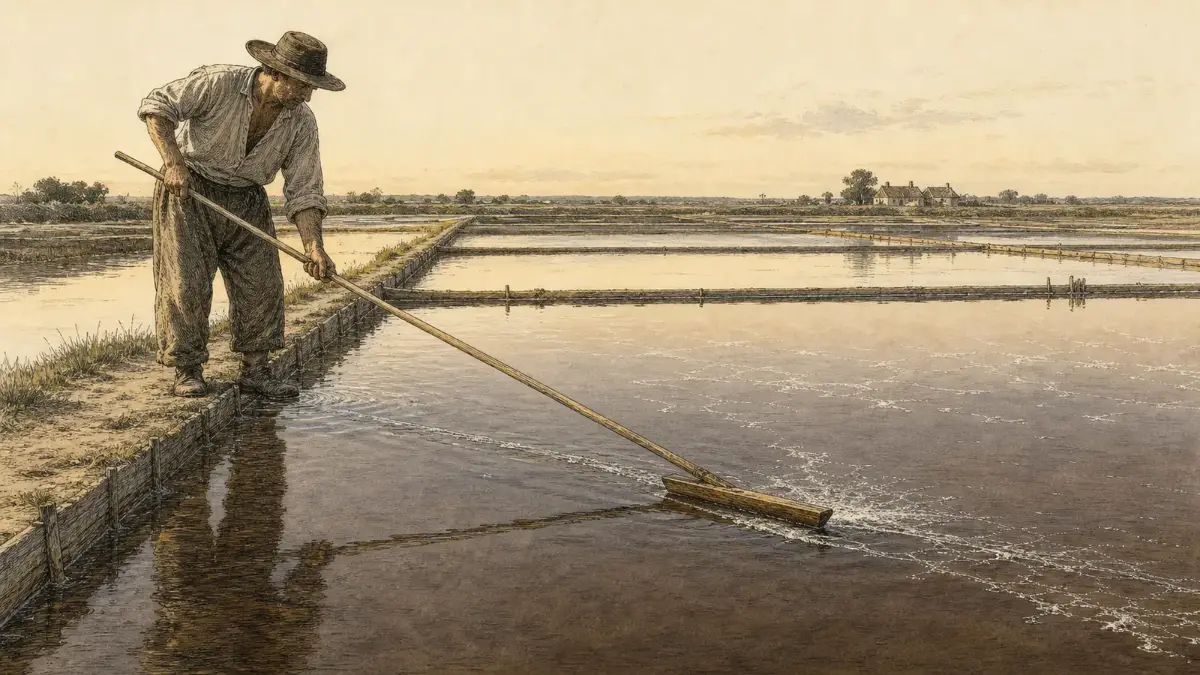
Solar marshes, thorn towers, greenhouses and boiling huts, on four continents, that let you in or show you properly on film. Farm and tour pages only, never a shop.
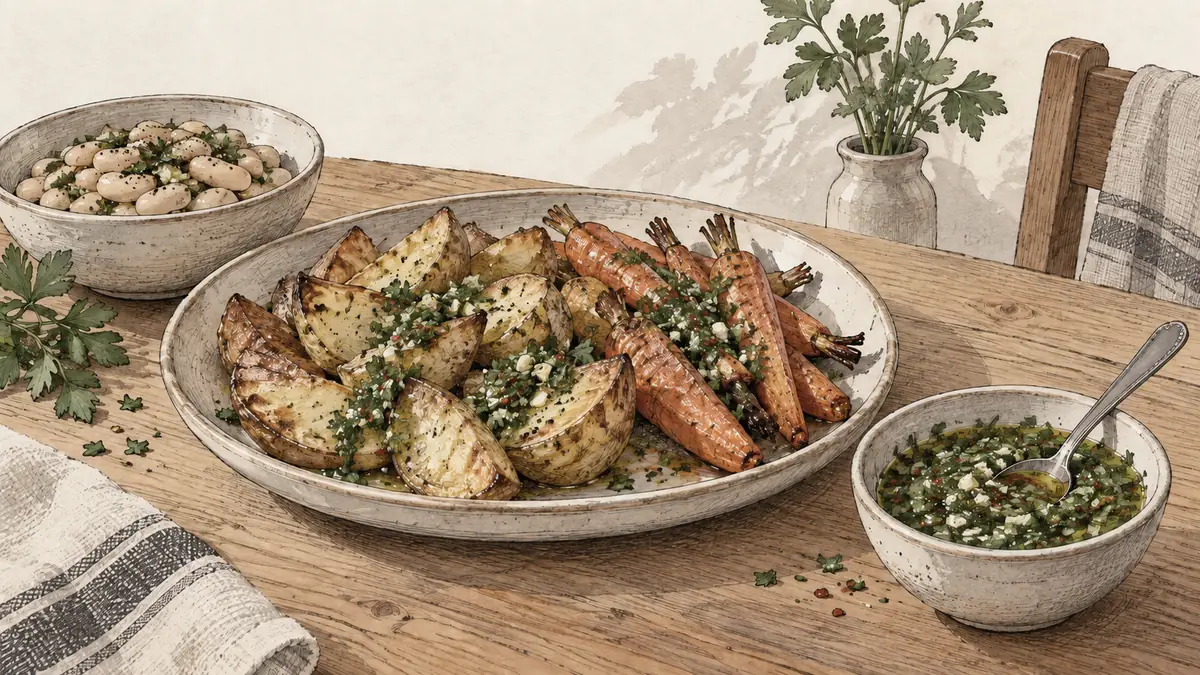
Roasted potatoes, carrots and warm white beans. Three ways to bring chimichurri to the everyday table, with the sauce added after the heat.
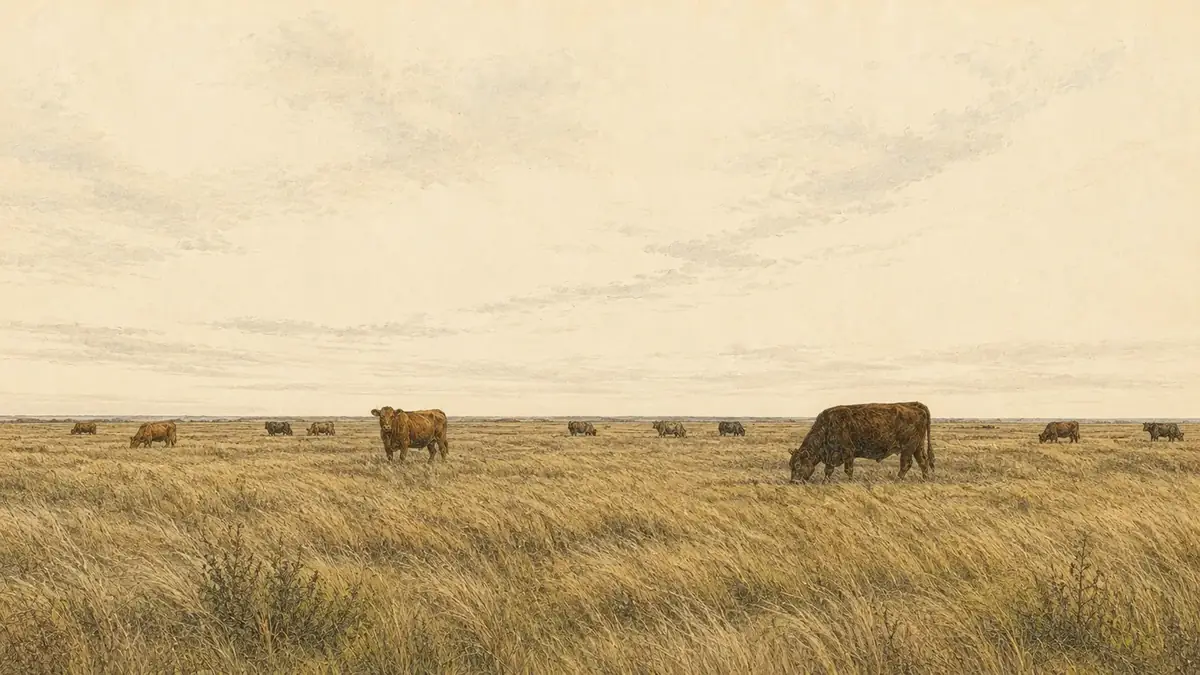
Mostly grass-raised, increasingly grain-finished. What the pasture image gets right, what it misses, and what the feedlot numbers actually say.
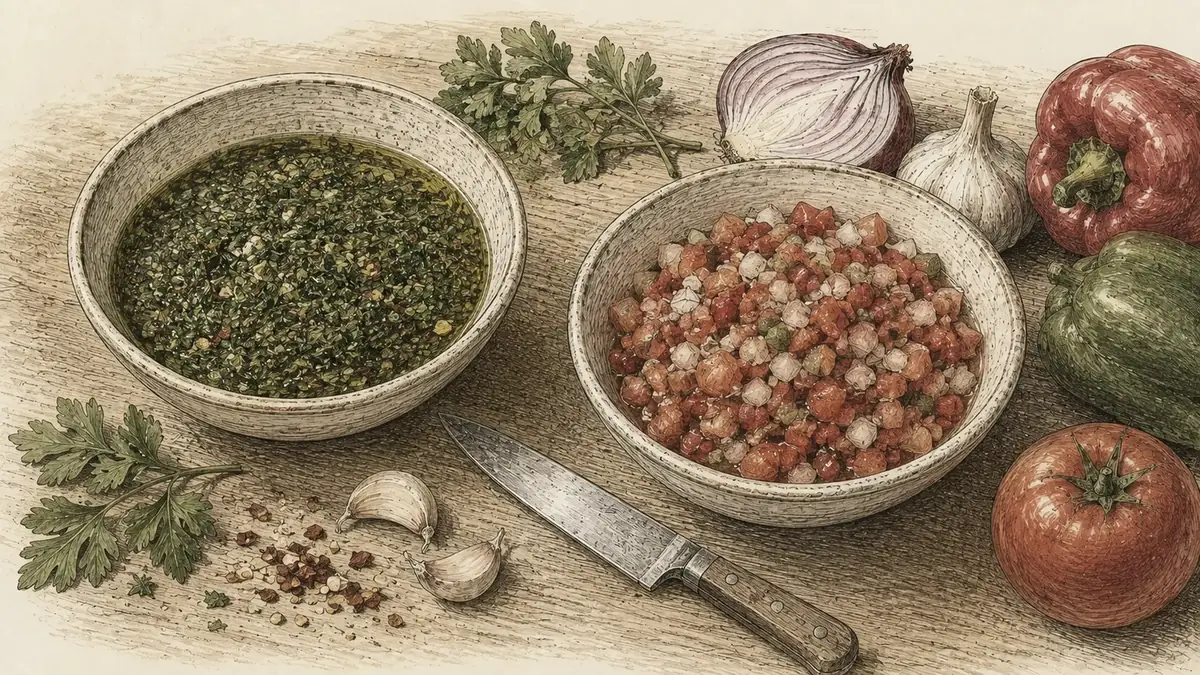
One is herbs and oil, the other is chopped fresh vegetables. What separates chimichurri from salsa criolla, and how each is used.
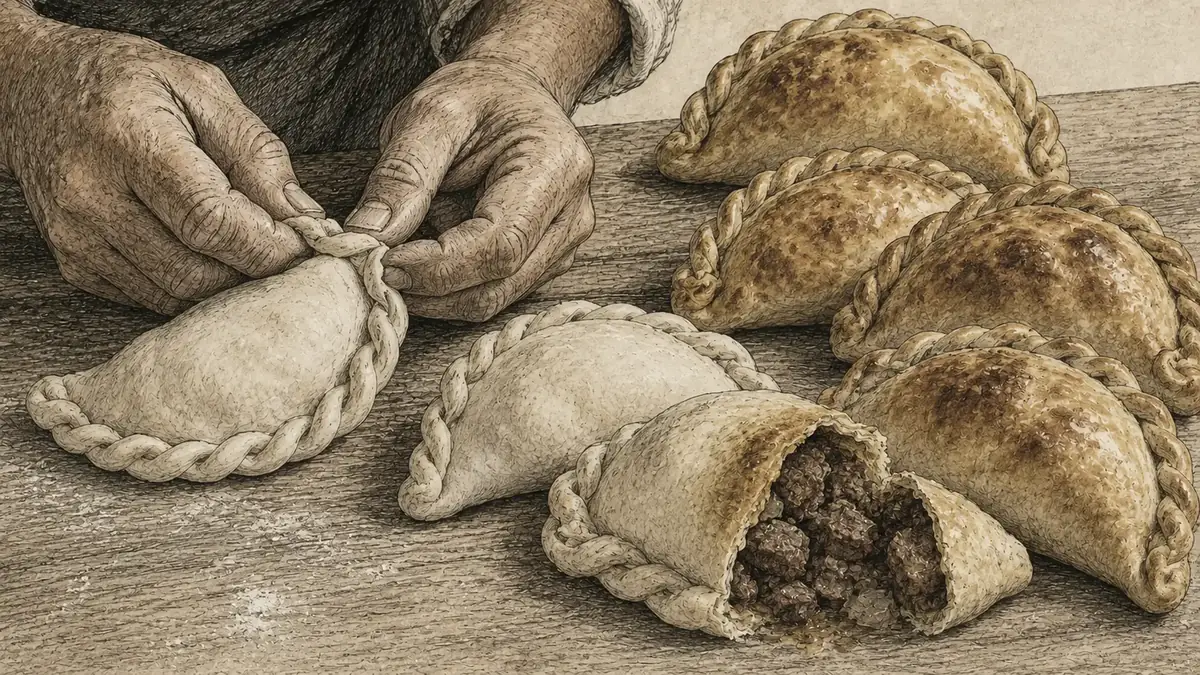
There is no single Argentine empanada. How Salta, Tucumán, Córdoba and other provinces change the filling, the spice and the fold.
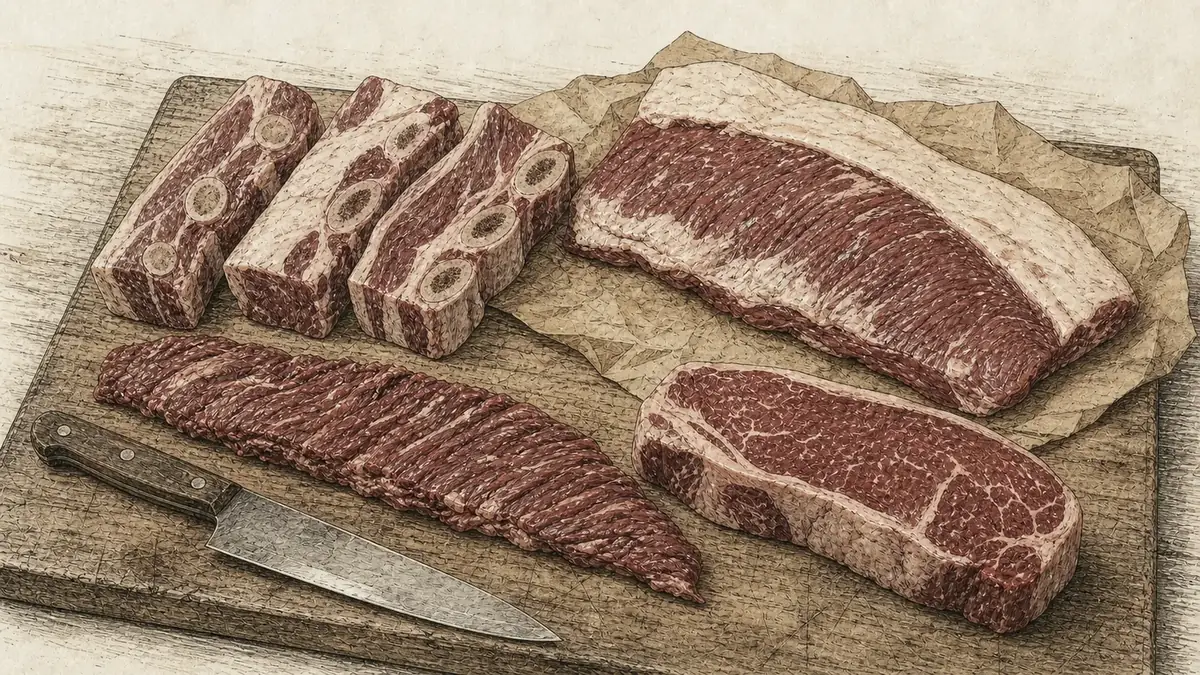
Argentine cuts do not map cleanly onto US ones. A practical guide to vacío, entraña, asado de tira and their nearest US equivalents.
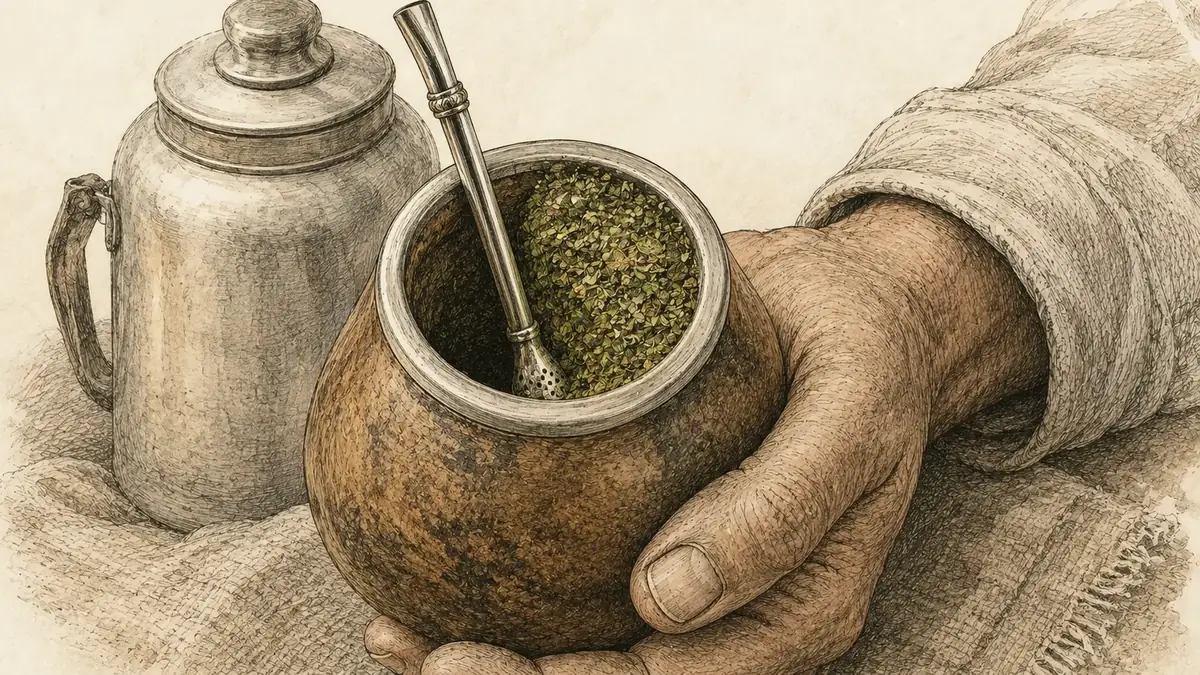
Yerba mate is a caffeinated South American drink sipped through a metal straw from a shared cup. What it is, the kit, and how to prepare it.
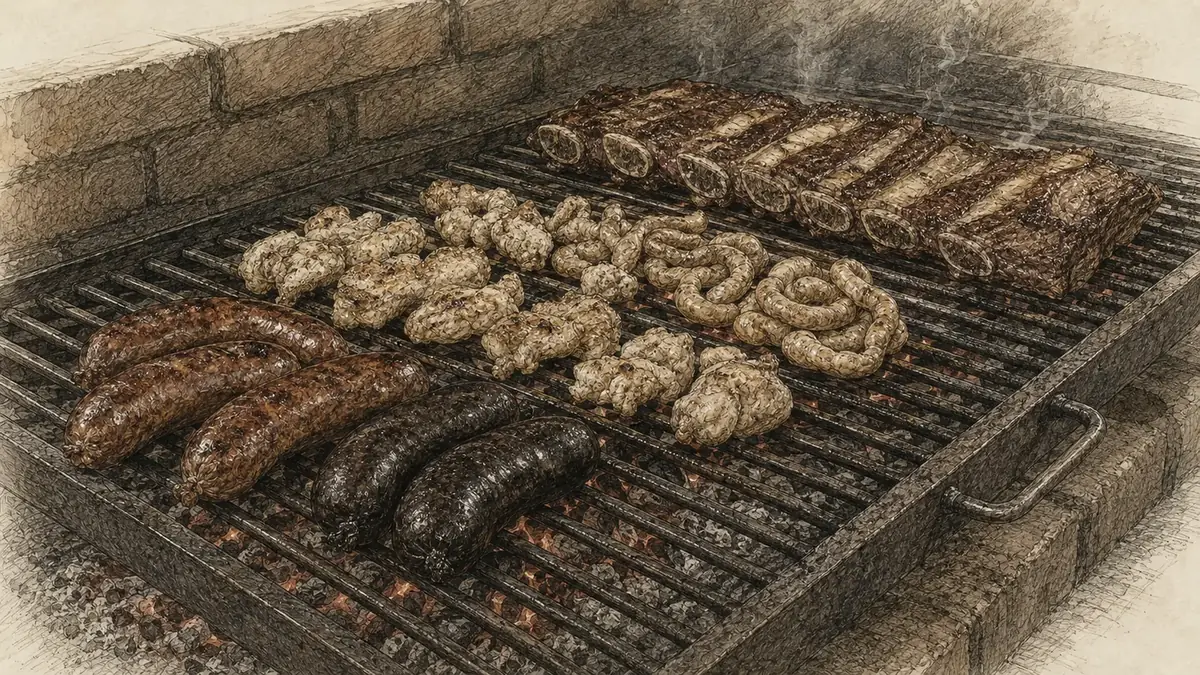
Sausages, then offal, then the big beef cuts. The customary order of an asado, and the practical logic of the fire behind it.
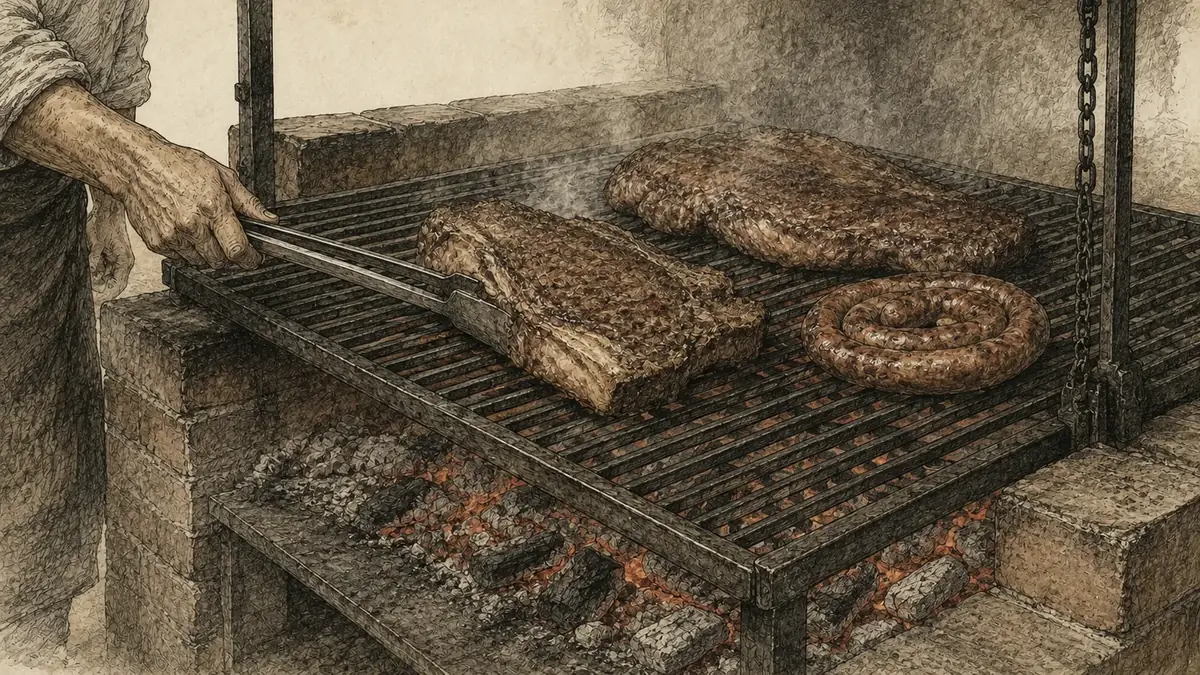
Asado is the Argentine tradition of cooking meat slowly over wood coals, run by one person, over an afternoon. Here is how it actually works.
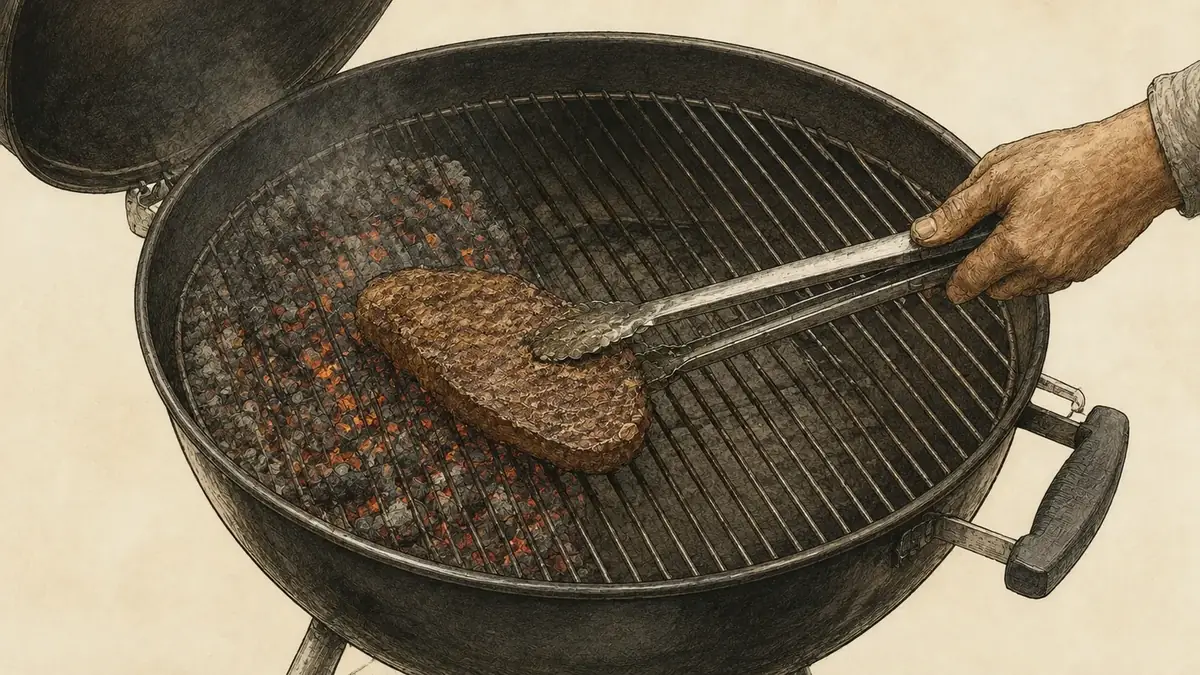
No parrilla needed. Cook over coals, build two heat zones, go slow and salt simply. How to get asado results from a kettle grill.
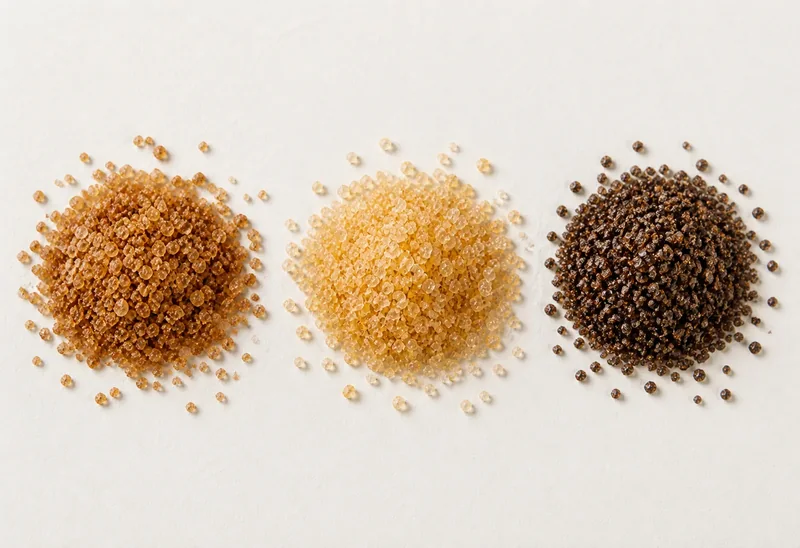
Applewood for a gentler smoke, mesquite for a bolder one, oak for the middle ground. Compare flavor, food pairings and what changes with smoked salt.
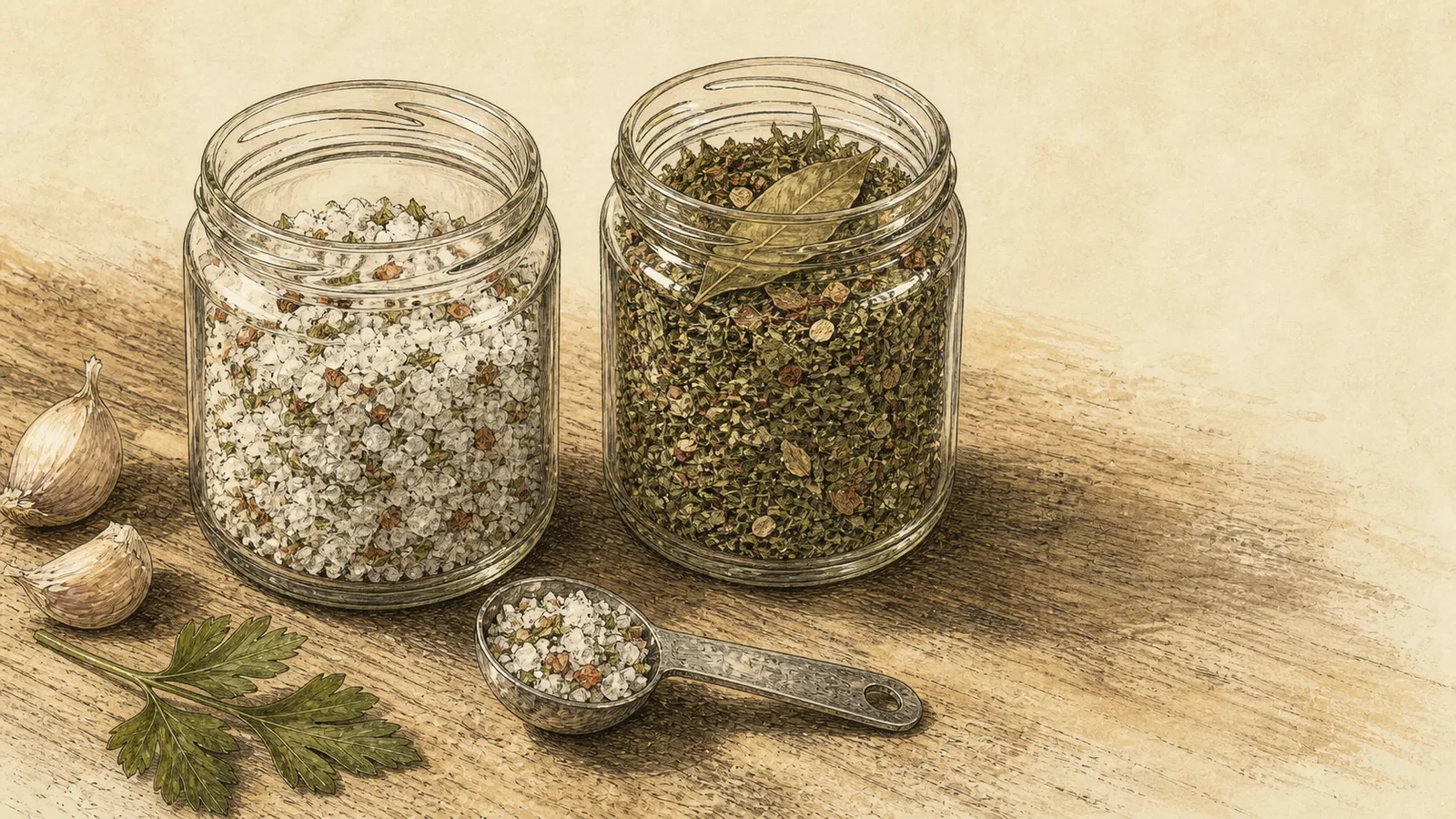
Chimichurri salt seasons food by the pinch. See how it differs from dry chimichurri and fresh sauce, how to use it, and what the label can tell you.
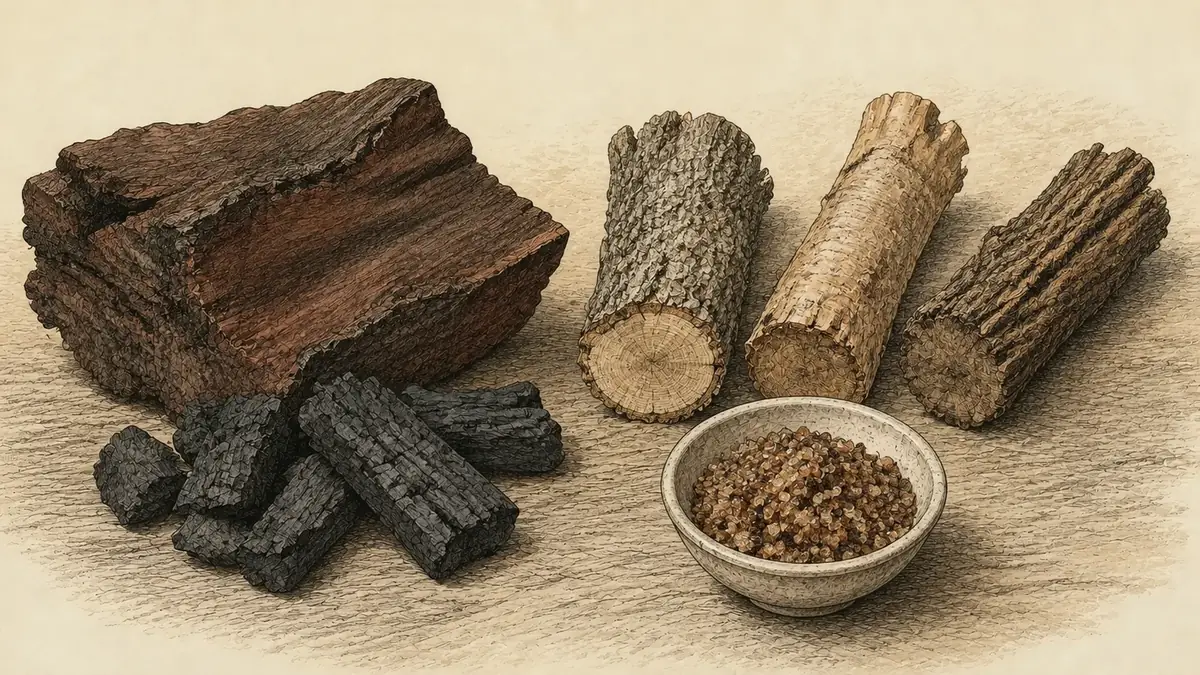
Quebracho is the most romantic wood in Argentina, which is exactly why we will not claim it. We are developing a smoked salt, and the wood it names will not be quebracho.
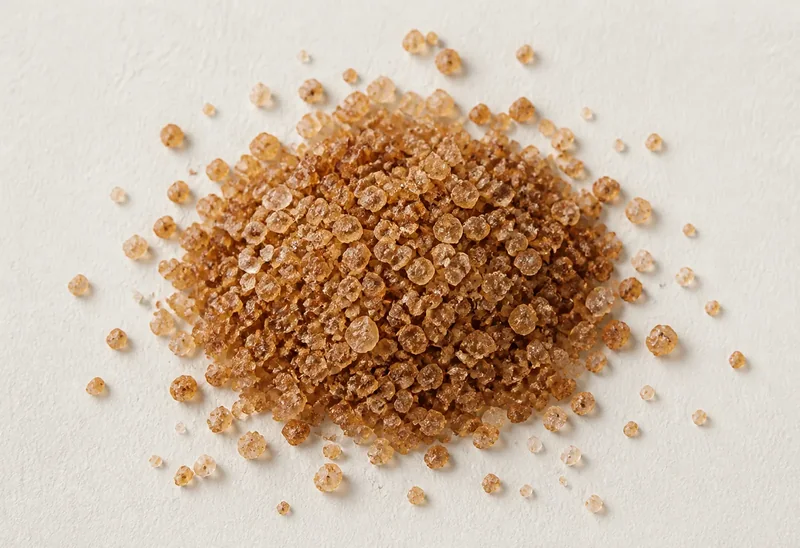
Real smoked salt is made in a smokehouse, usually over one to three days, and the smoke never goes deeper than the surface of the crystal. That last fact explains almost everything about how to buy it and use it.
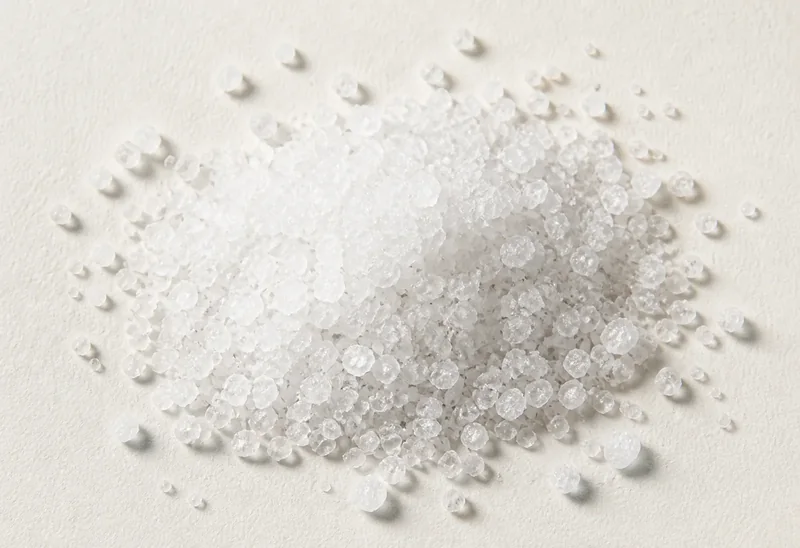
One is mined from a mountain in Pakistan and is hundreds of millions of years old. The other was seawater a month ago. Neither is healthier — but they are almost opposite products.

There are sea lions on the rocks below the cliffs where our seawater comes from, and there are more of them every year. That is not because the coast was left alone. It is because the industry that emptied it stopped, and the animals have spent decades climbing back to about a third of what they were.
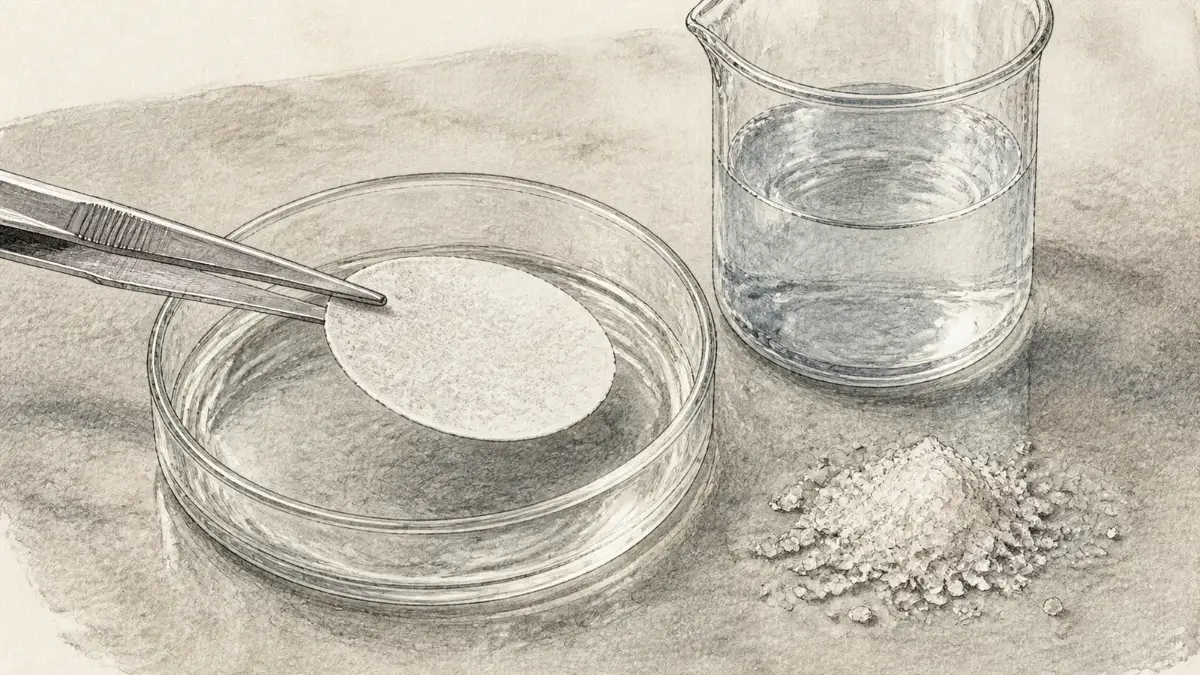
Yes, in most of it. We sell sea salt, and here is the research that is least flattering to us — including the part where rock salt usually tests cleaner.
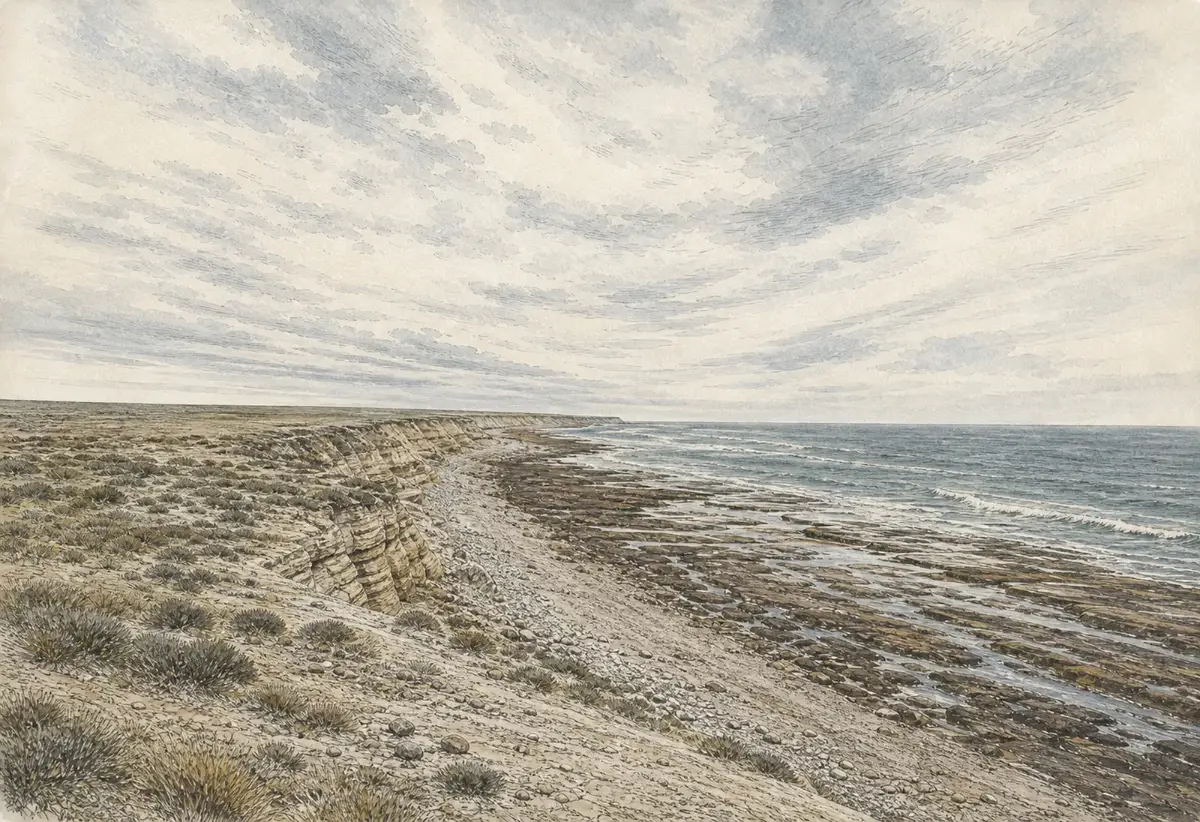
Patagonia is sold as one picture. Our salt comes from a part of it that is 600 kilometres from the nearest mountain, and looks like nothing you have been shown.
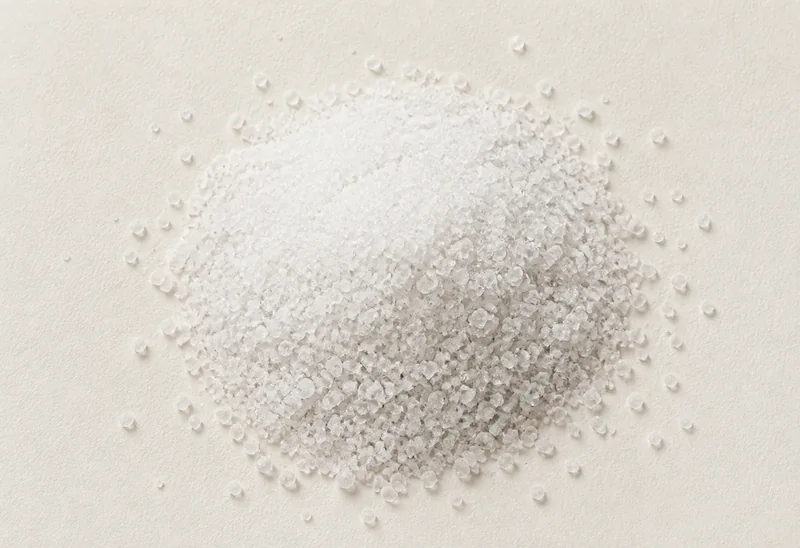
One is an origin, the other is a shape. Chemically they are nearly identical — but a teaspoon of one can hold twice the salt of the other, and that difference ruins recipes.
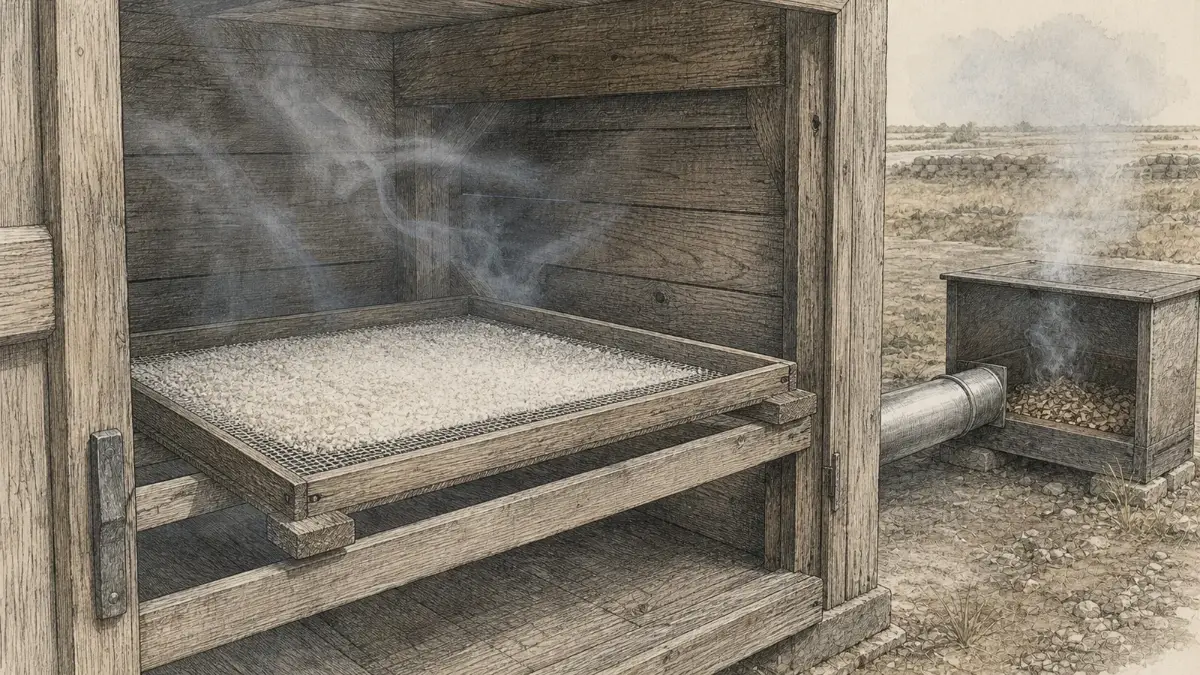
Check the sodium. A rule that stops companies faking it only covers artificial smoke flavour. Liquid smoke is sold as natural by label convention, though the only FDA guidance calls wood distillates artificial.

Punta Tombo is hot, dry and treeless, and it holds the largest Magellanic colony on the continent. Almost nothing about it matches the picture in your head.
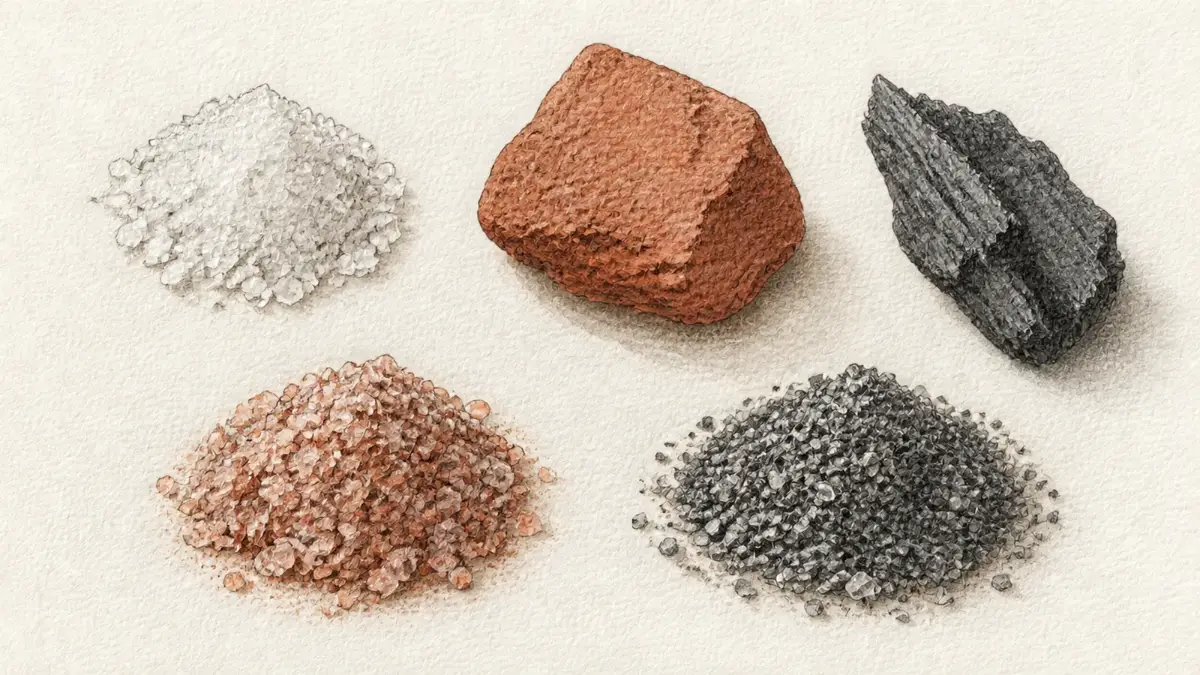
Added clay and added charcoal. There is no lava in black lava salt — and some salt sold as Hawaiian was trucked in from the mainland.
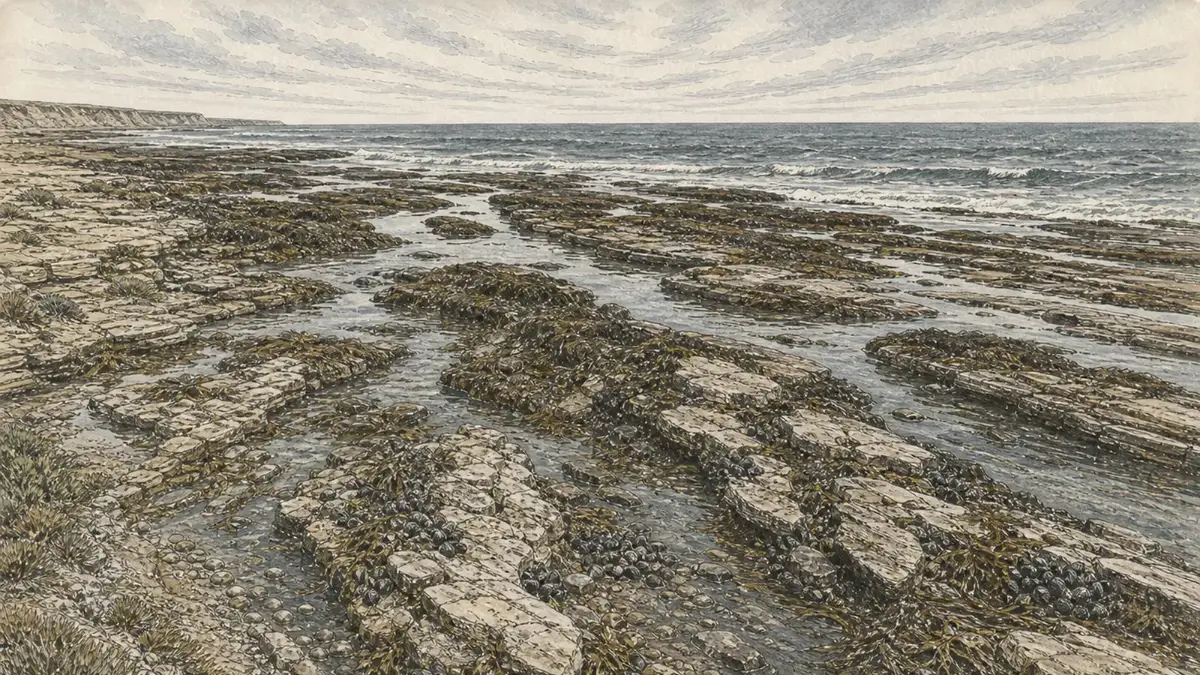
Resolucion Conjunta 6/2024 created a category with a mineral floor underneath it. Five years in the making, and almost nobody outside Argentina has noticed.
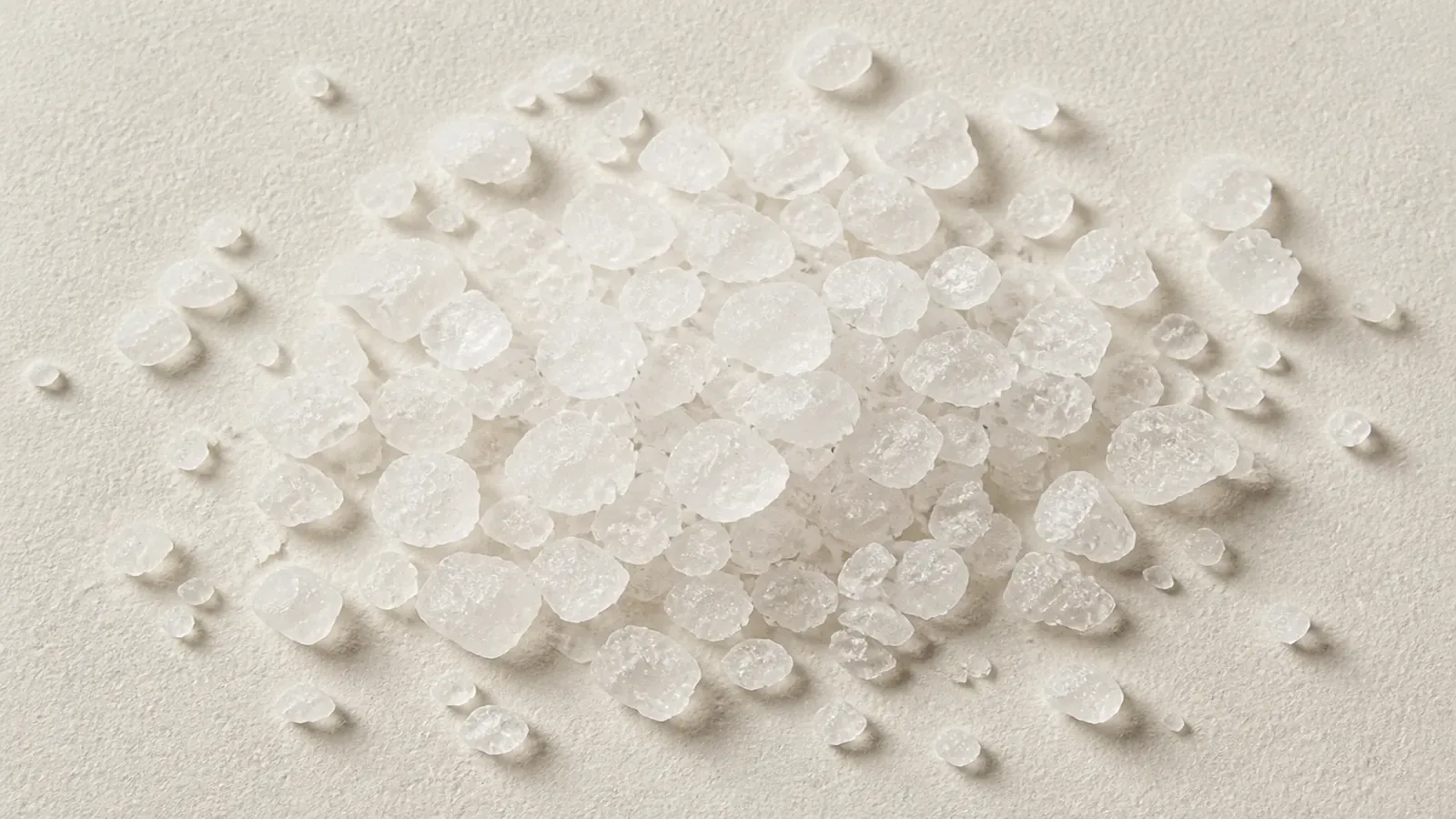
A real answer, including the parts that are inconvenient. Most Argentine salt is not sea salt at all — and the thing actually being made on the Patagonian coast is newer, smaller and stranger than the marketing suggests.
Grey salt comes off the clay floor of the same pond that yields fleur de sel. European law gives it twice the permitted lead — and says so explicitly.
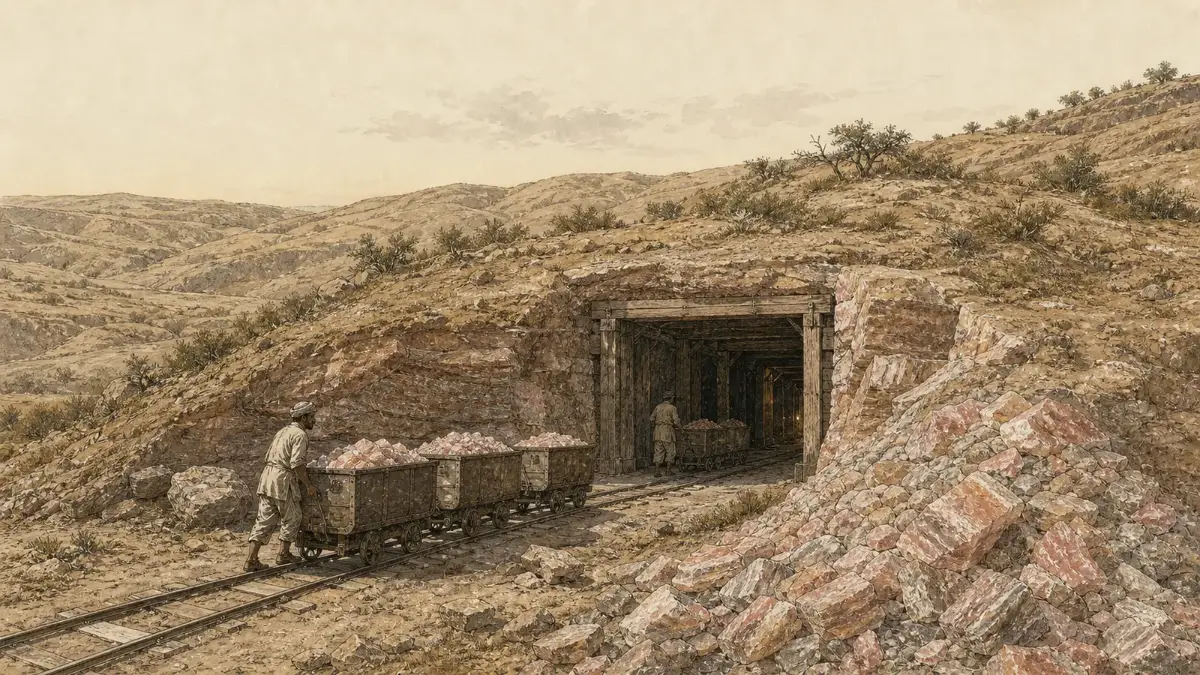
It is mined in Punjab, not the Himalayas, and it is rock, not sea salt. The 84 minerals trace to one uncontrolled analysis that lists plutonium in table salt.
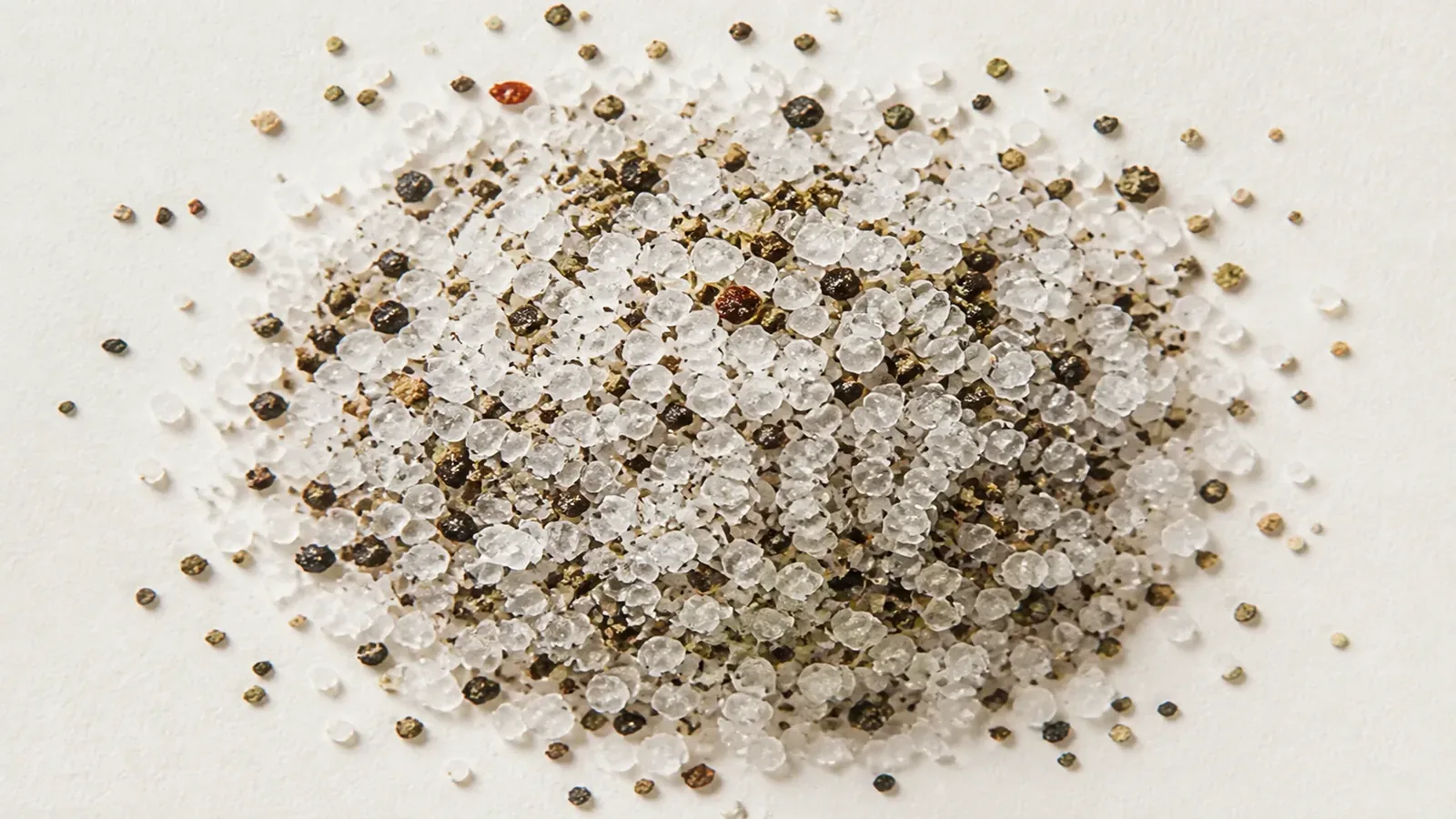
Not sea salt, and not the fancy stuff. The answer is a specific medium grain called sal parrillera — and the reason it works has nothing to do with where it came from.
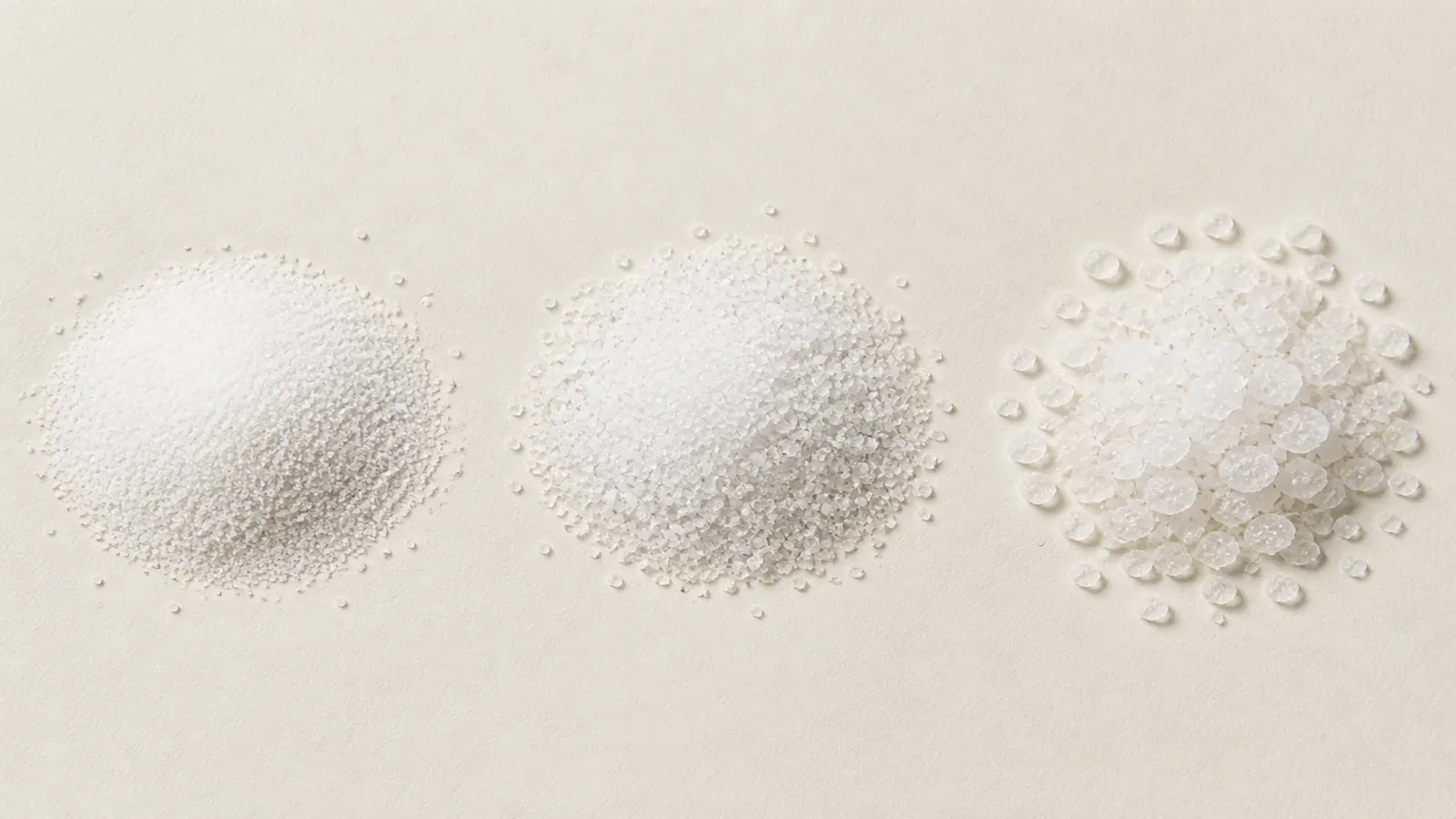
Fine salt for mixing, coarse grains for selected cooking jobs, flakes for finishing. Compare texture, substitutions and why equal spoonfuls can weigh differently.
Two kilos a day from a pond that yields fifty. That is the real answer — and the name itself turns out to protect nothing at all.
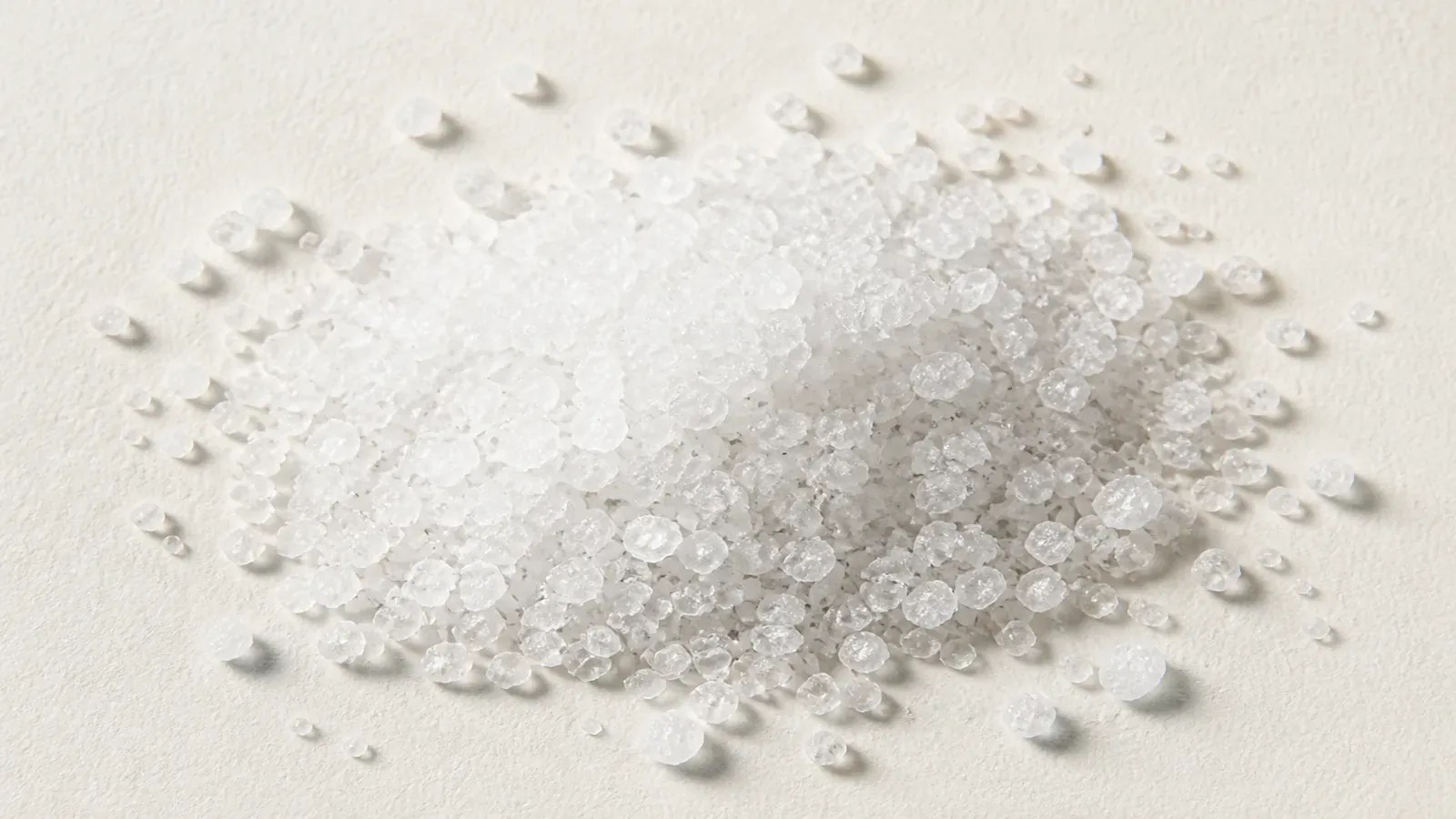
Either right before it hits the fire, or at least 45 minutes ahead. The famous rule about the forbidden window in between is softer than the internet thinks — and the thing that actually matters is something else entirely.
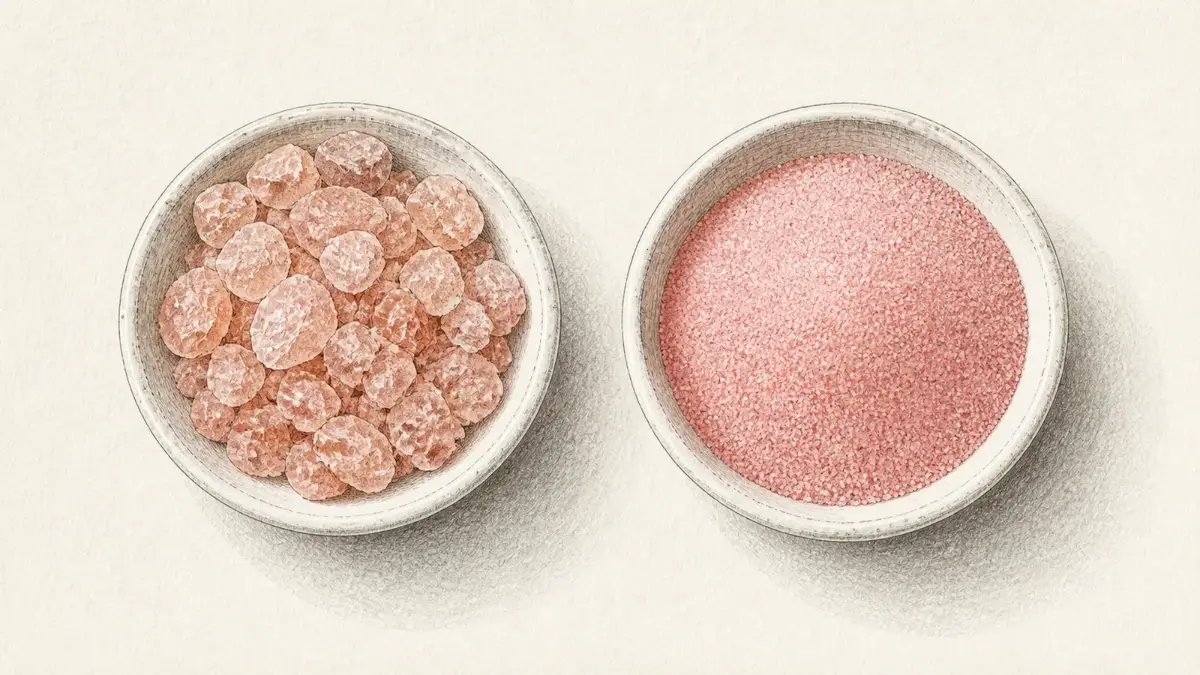
No, and the difference is the most dangerous confusion in a home kitchen. One is a rock. The other is 6.25% sodium nitrite.
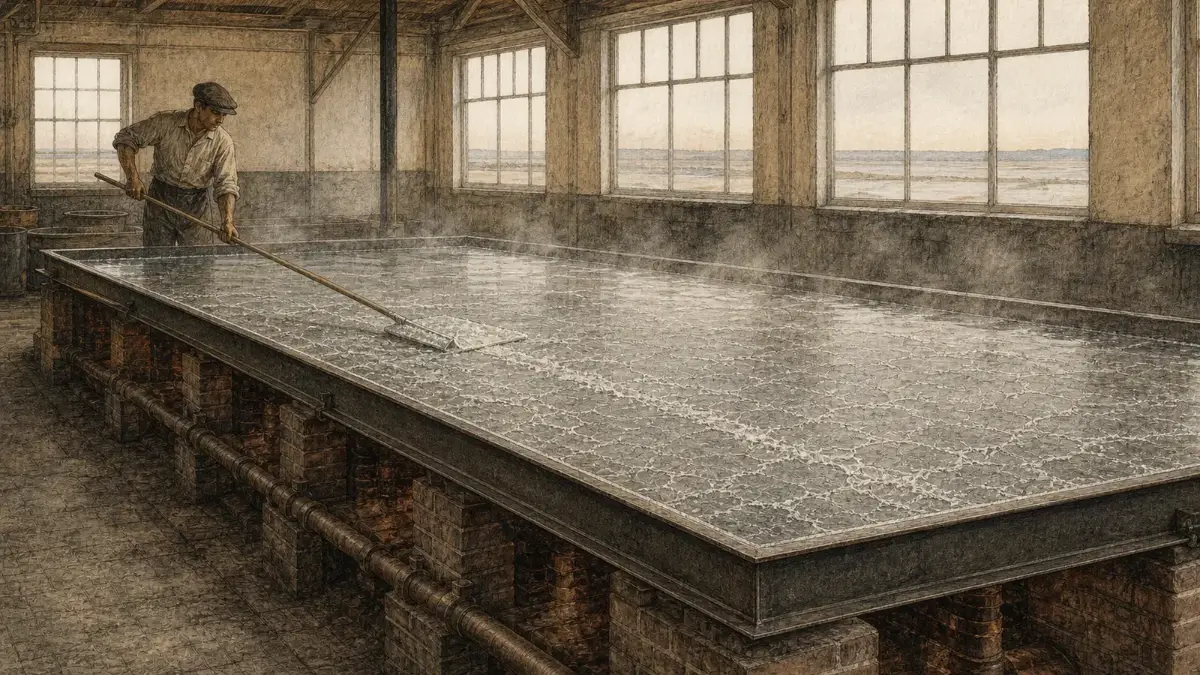
Gas-fired flues, no protected designation, and 0.019 per cent magnesium. The best-known finishing salt in the world, read from its own paperwork.

A parrilla in Lakeview, an empanada counter in Riverside, a grill out by O’Hare. The reviews start now.
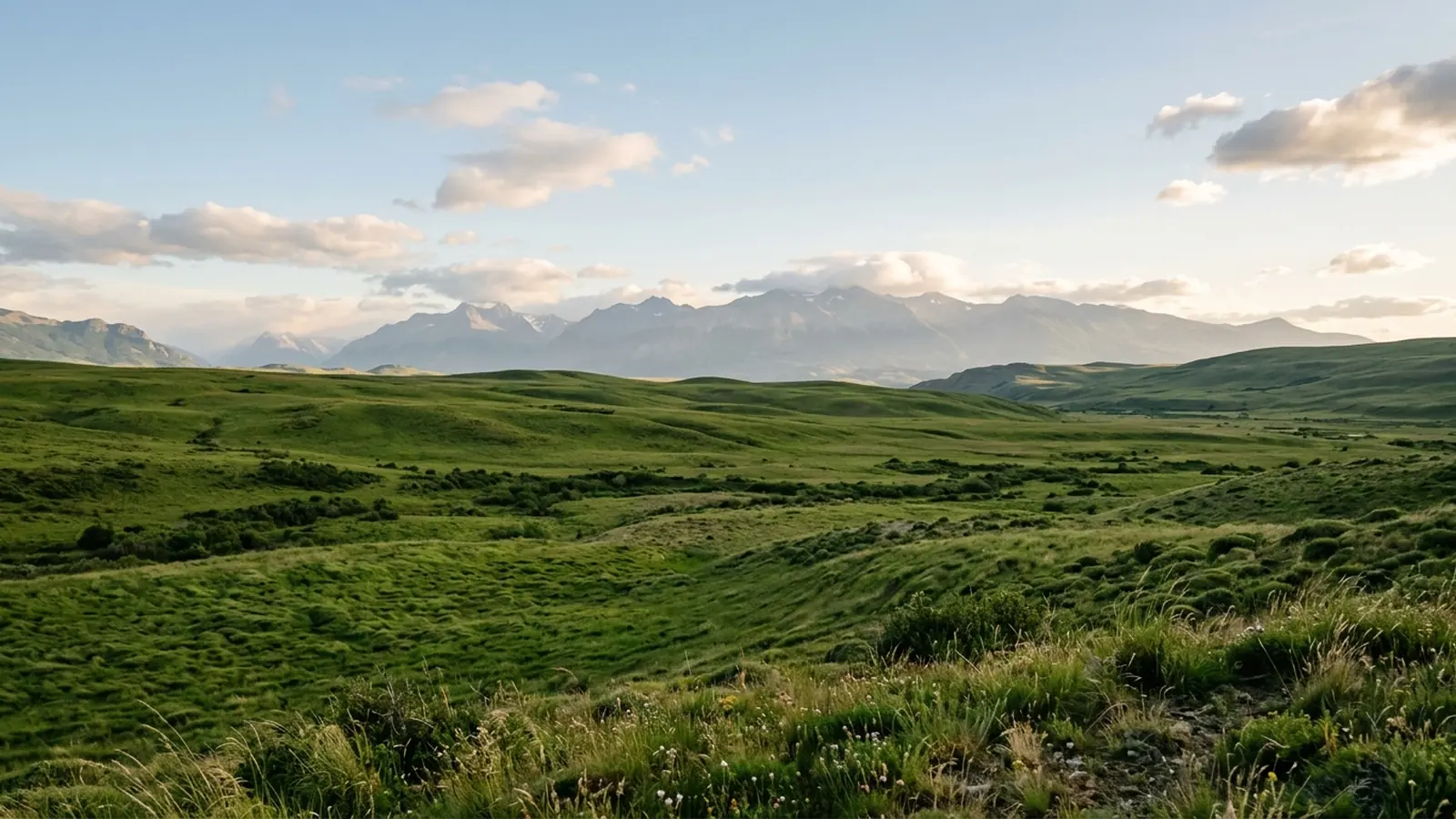
Eight suites on Nahuel Huapi, a forest the brochure names wrongly, and what Argentina is actually made of.
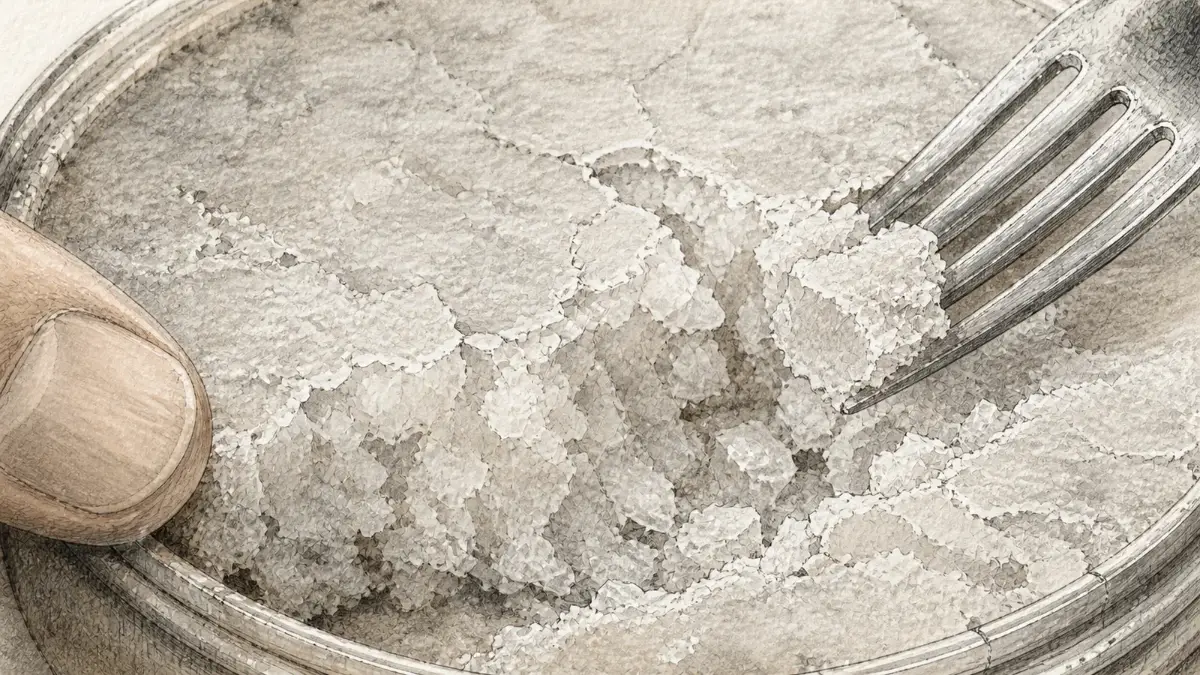
Salt is a rock. It does not spoil. But two numbers — 75.3% and 32.8% — explain everything about why some salt runs free and some sets solid.
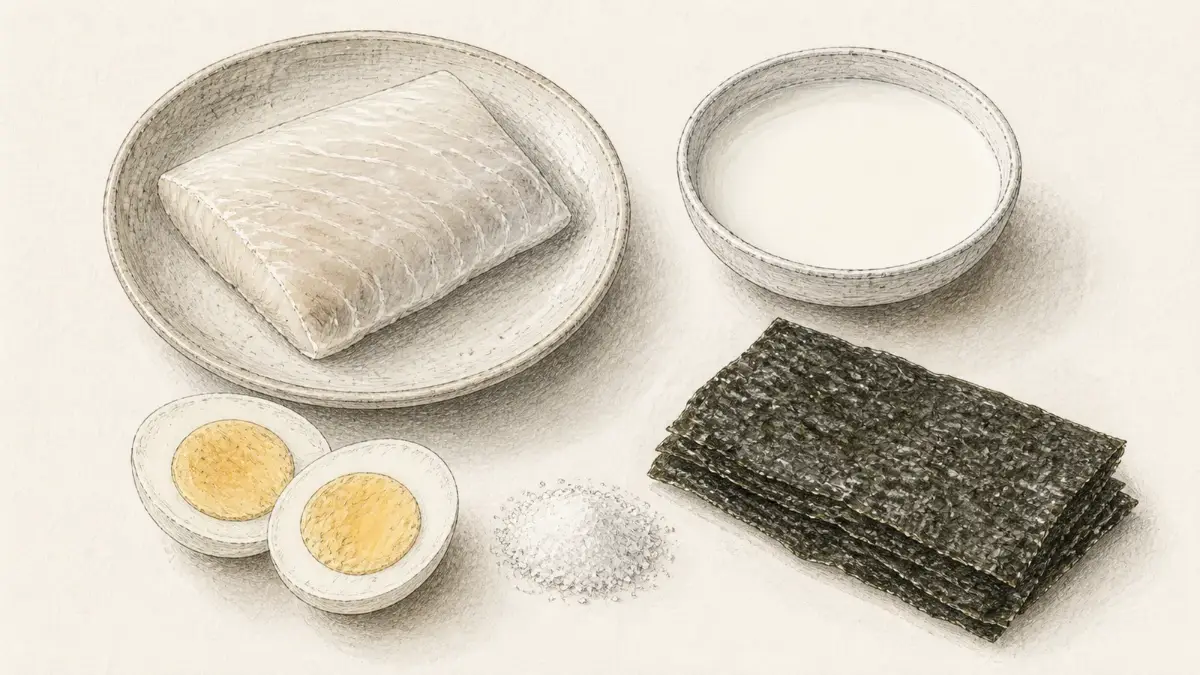
American law requires your salt to tell you either way. Most specialty salt says no — and almost none of the salt in processed food says yes.
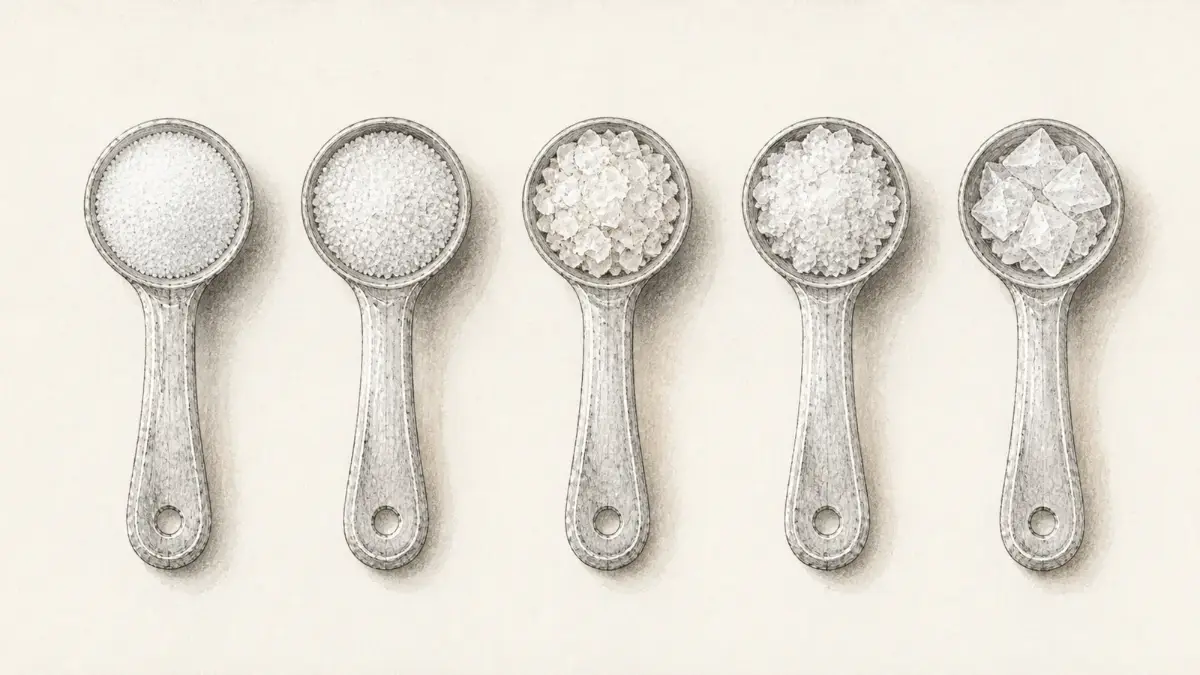
By the gram, almost never. By the teaspoon, by as much as 53% — and the reason has nothing to do with the sea.
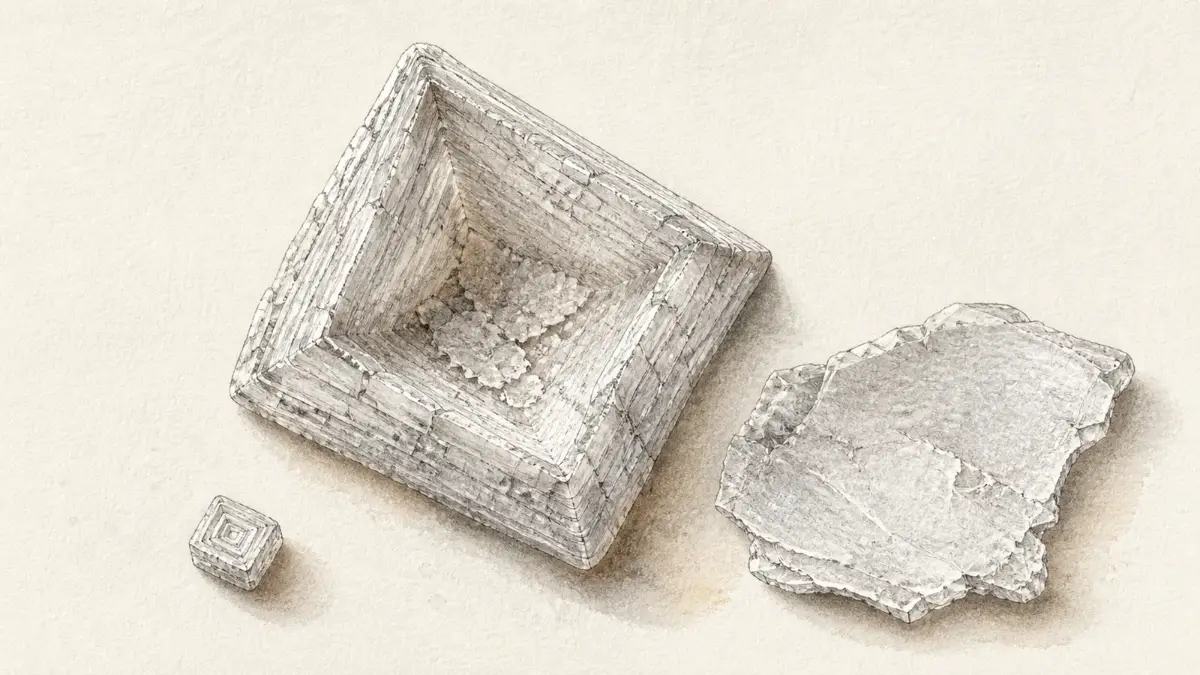
Two boxes both say kosher salt. One is nearly twice as salty by the spoonful. The famous conversion rule is right about one pair and wrong about the other.
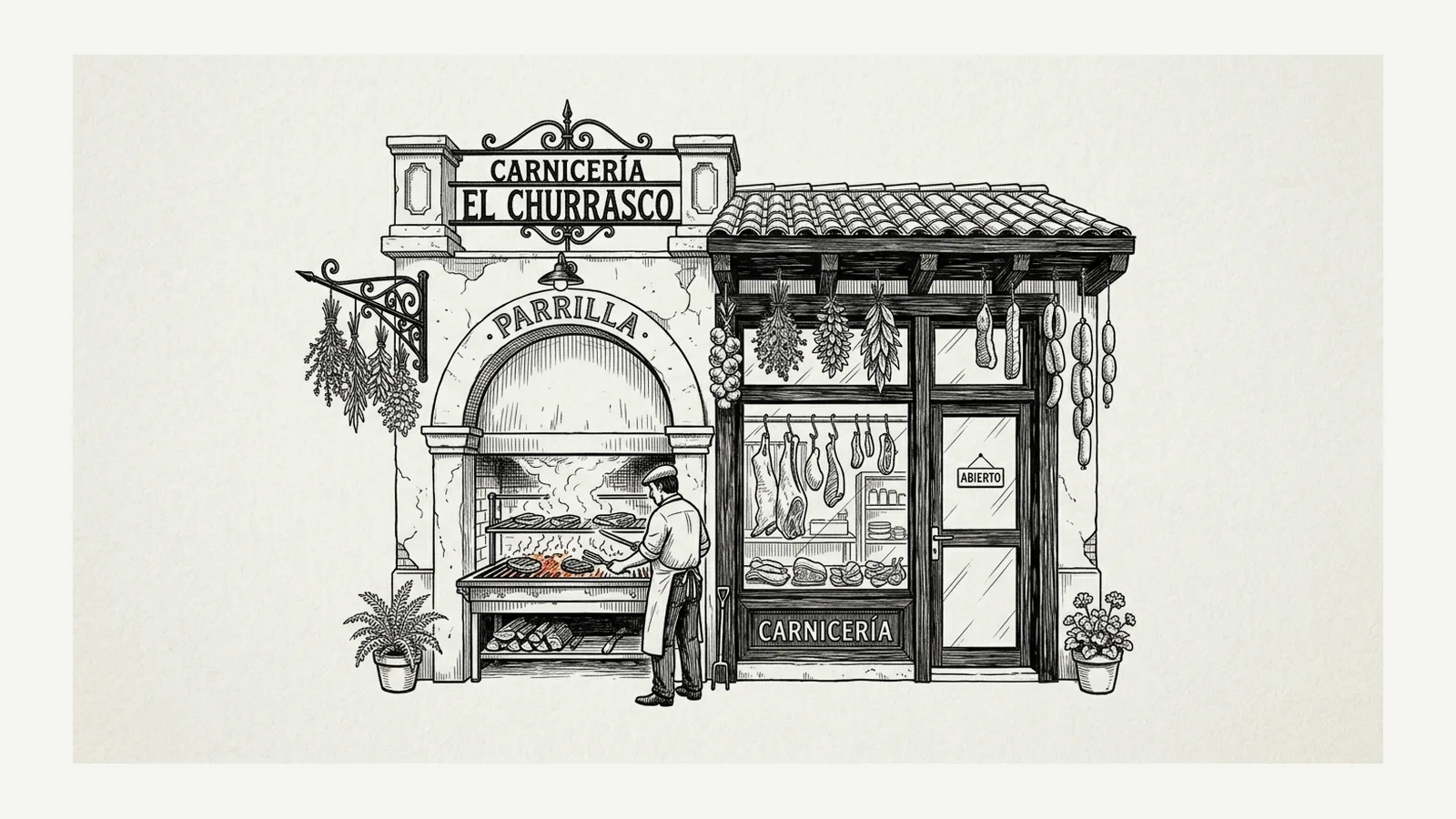
A block off the Metra line, a parrilla, and the most-praised empanadas in the northwest suburbs.

The bucket of brine that sits beside every long asado.
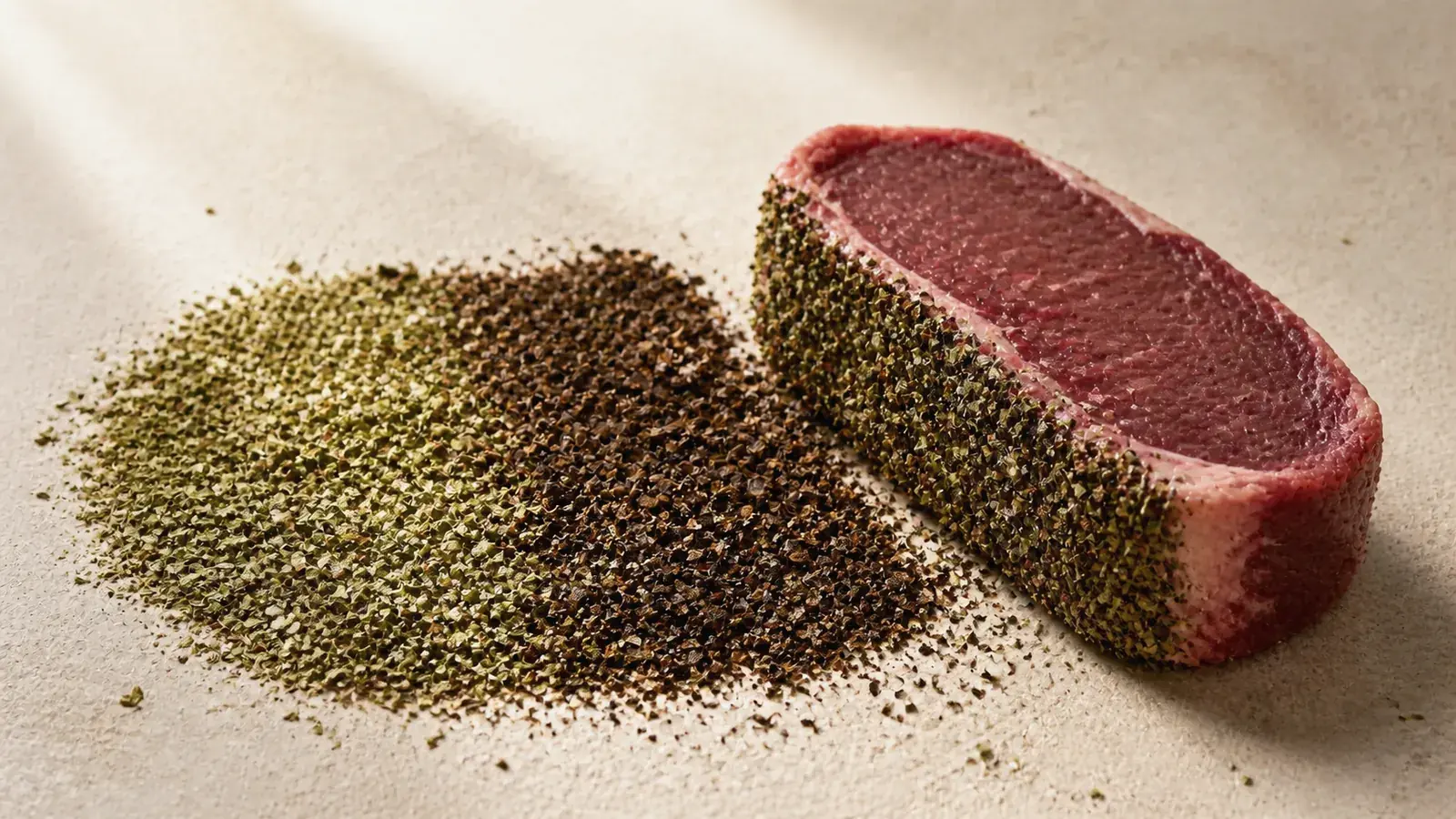
Argentina's national drink, pressed onto beef and put over fire.
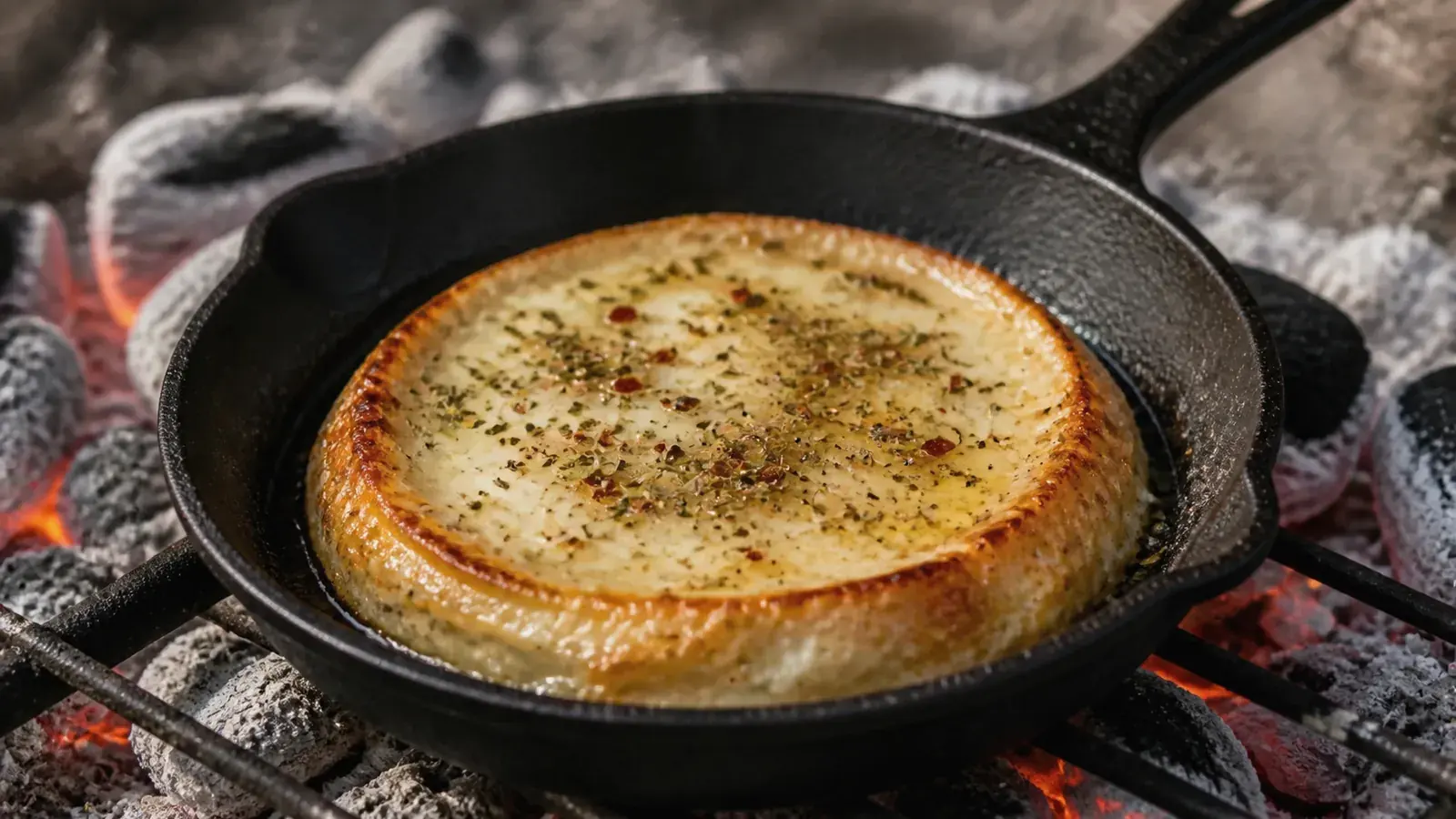
A disc of provolone, a hot pan, and ninety seconds of nerve.
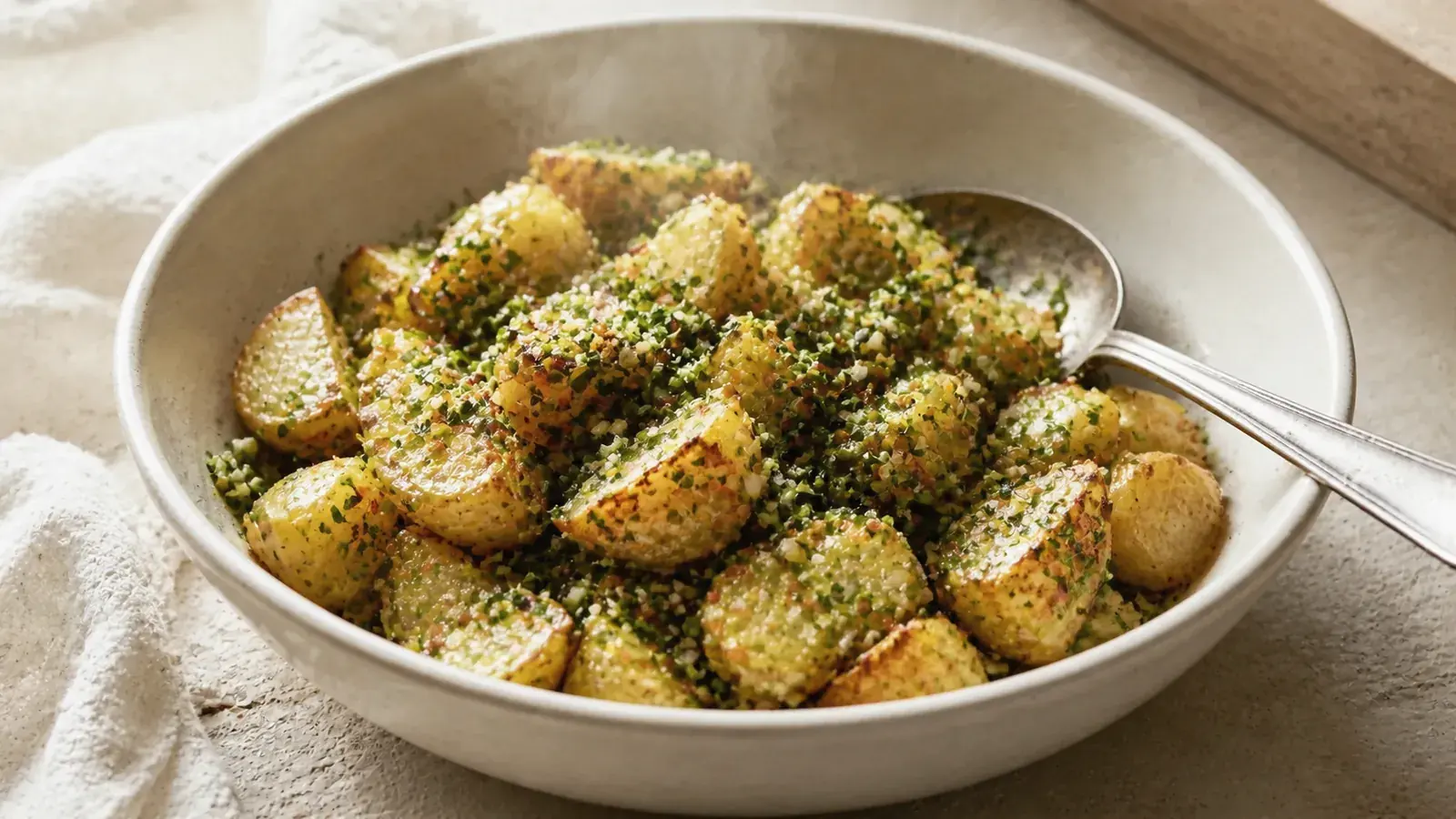
Two ingredients, thrown at hot potatoes the second they come out.
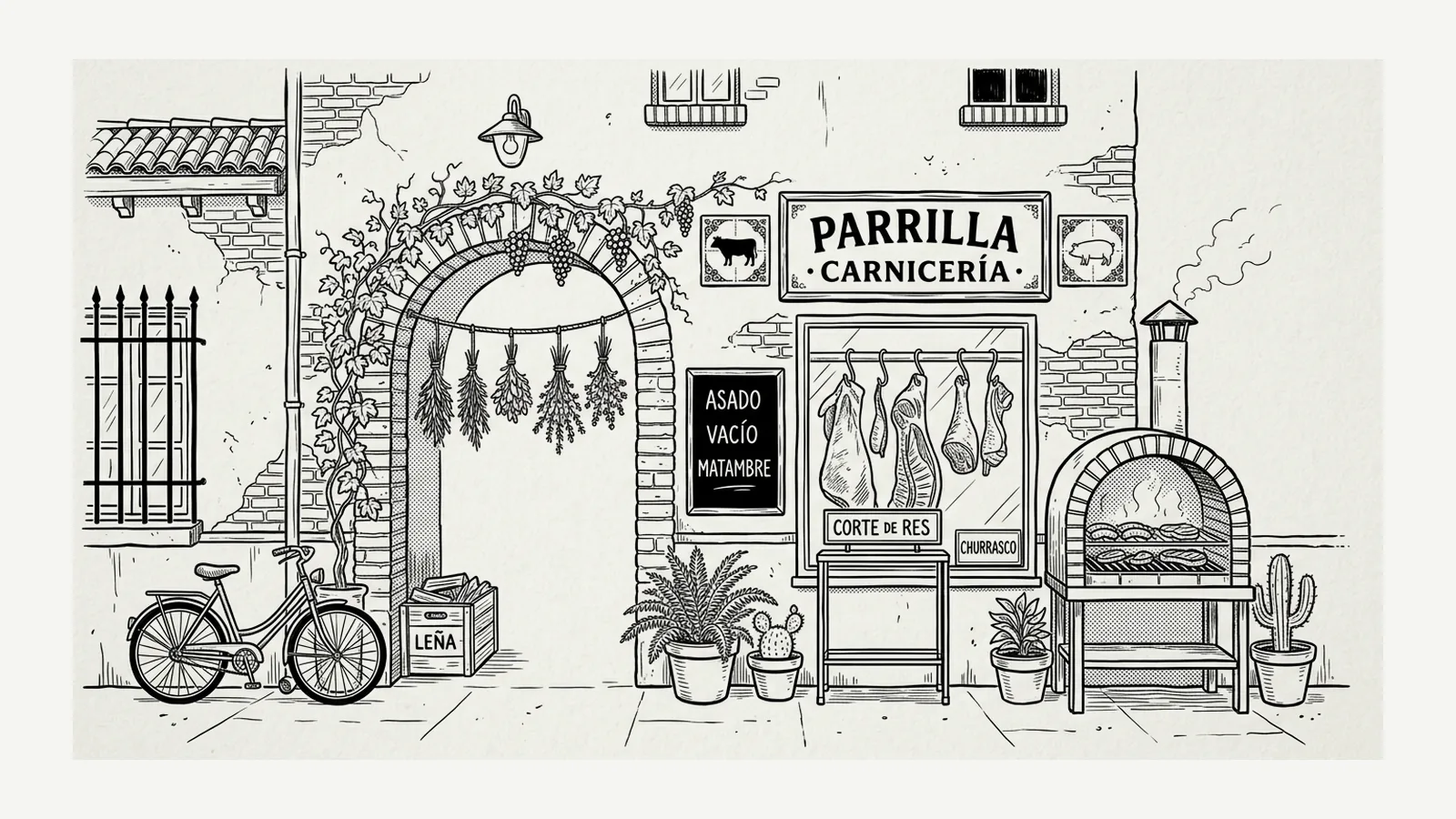
Three decades on Southport, a wood fire, and a chimichurri with no chili in it.
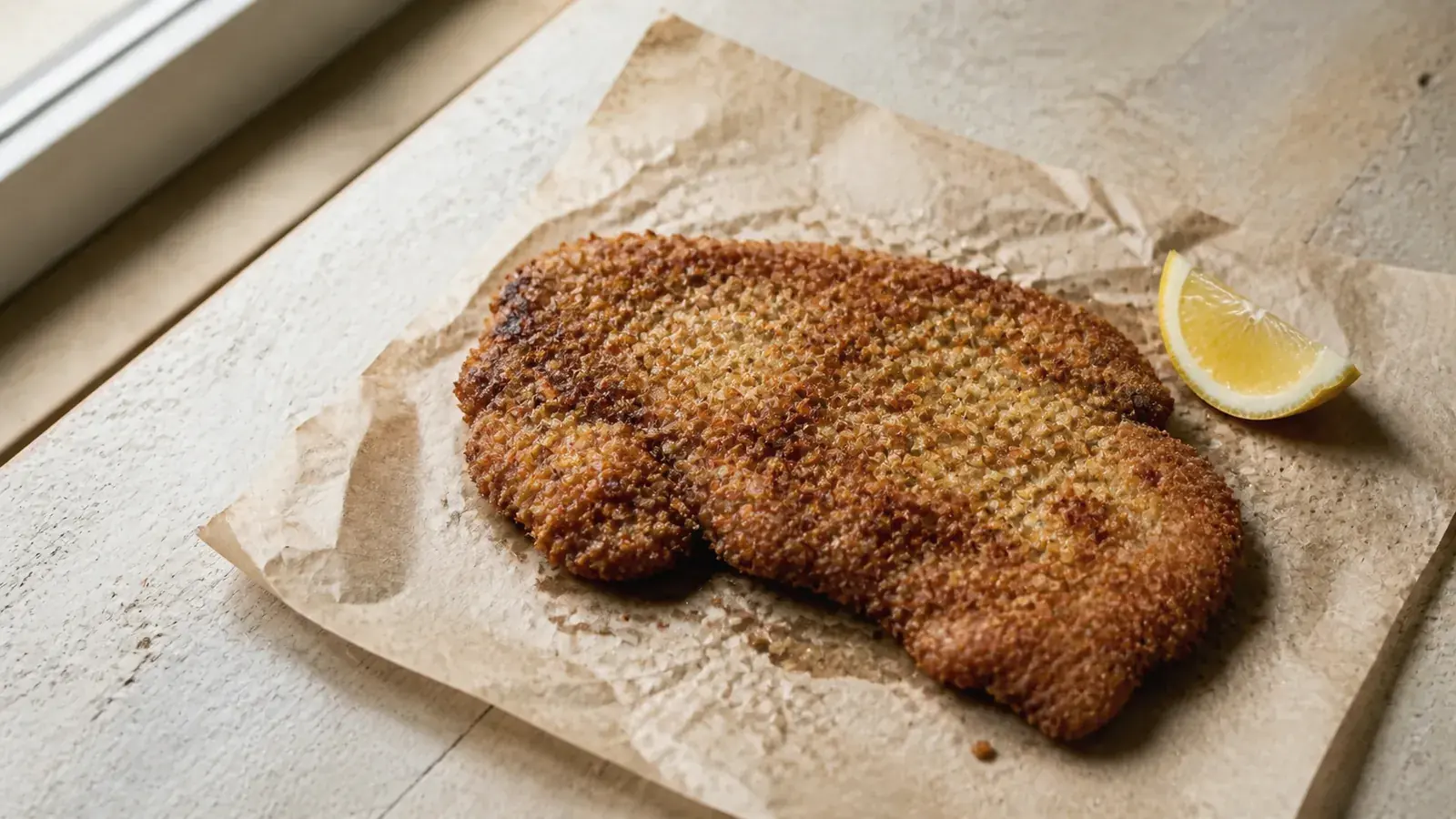
A thin cutlet, seasoned breadcrumbs, and the step most recipes skip.
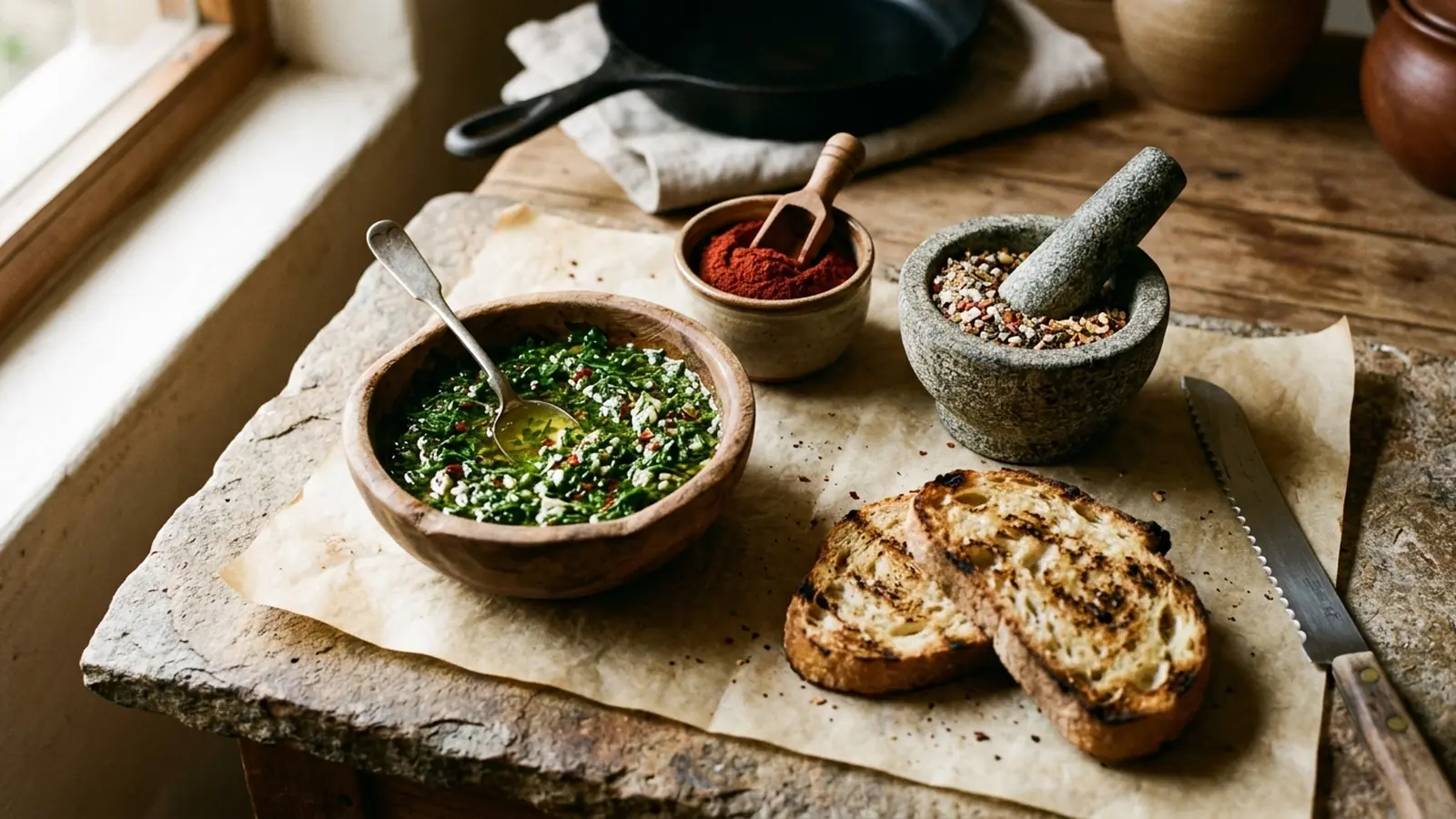
It is not a marinade, and it does not go in a blender.
Try another word or clear the filters to explore the full journal.