
What Goes Into an Argentine Empanada? Regional Styles, Explained
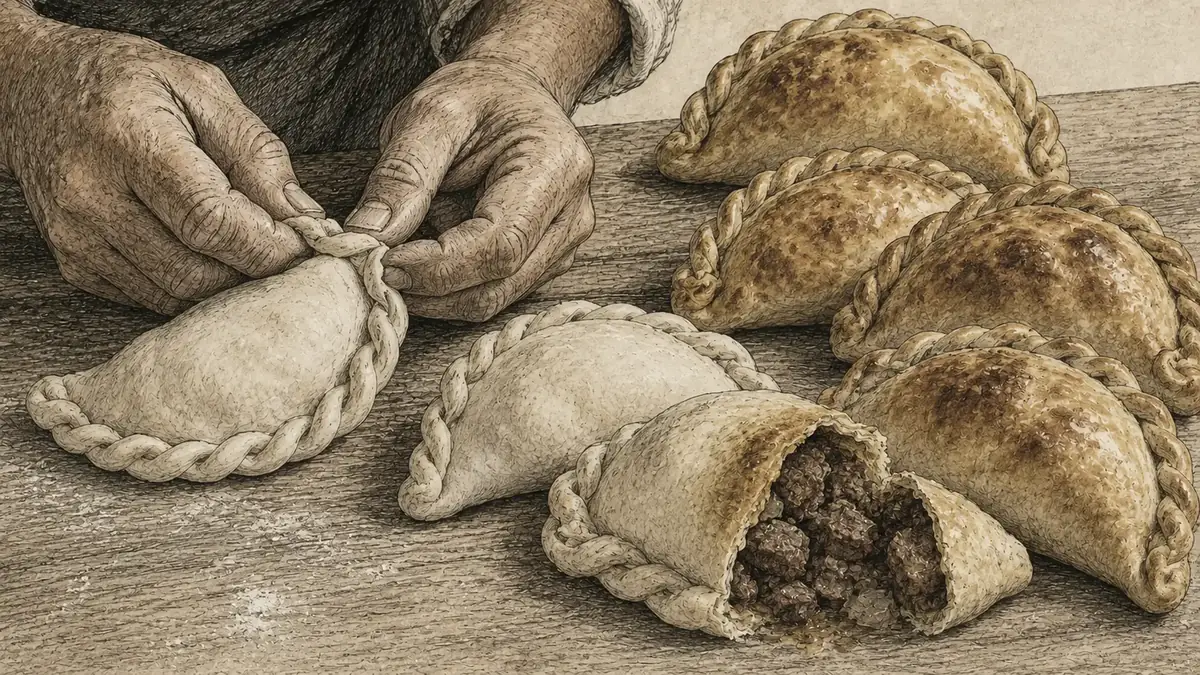
There is no single Argentine empanada; the filling, spice, folding and cooking method change from province to province. The northern styles of Salta and Tucumán, built on hand-cut beef, sit at one end; sweeter or milder versions appear elsewhere. What unites them is a pastry pocket sealed with a braided edge, the repulgue, and baked or fried.
The north: Salta and Tucumán
The most talked-about empanadas come from the northwest. The salteña, from Salta, is typically made with beef cut by hand (carne cortada a cuchillo), potato, onion and spices, often with a juicy, gently spicy filling. The tucumana, from Tucumán, is a close cousin and a frequent point of comparison; the two provinces argue over the details, from the cut of meat to whether the filling includes potato. Both lean on knife-cut beef, which gives a chunkier, meatier bite than ground beef.
Other provinces, other empanadas
Move around the country and the empanada changes with it. The cordobesa, from Córdoba, is known for a touch of sweetness, sometimes from sugar dusted on the pastry or raisins in the filling. Mendoza and other regions have their own proportions and folds. Coastal and other areas swap in different fillings entirely, from ham and cheese to fish. As one Argentine outlet put it, the empanada is a map of the country as much as a recipe, with each province reading its own history into the filling.
Baked, fried, and the repulgue
Empanadas are baked (al horno) or fried (fritas), and both are traditional depending on where you are. Frying is common in several northern styles; baking is common elsewhere. The seal, the repulgue, is more than decoration: the braid pattern often signals what is inside, so a cook can tell a beef tray from a cheese tray at a glance. It is a small, practical code baked into the edge.
Making them at home
If you are cooking a northern-style empanada, start with beef diced by hand rather than ground, cook the onion base well, and season with a spice mix built on paprika, cumin, oregano and ají molido; a ready empanada seasoning blend covers the same ground. Let the filling cool fully before you fill, so the pastry does not tear, and seal with a firm repulgue. Whether you bake or fry is your call, and both are correct somewhere in the country.
Common questions
No. Filling, spice, folding and whether they are baked or fried change by province. Salta and Tucumán in the north differ noticeably from versions further south.
Knife-cut beef, diced by hand rather than ground. It is a mark of northern empanadas such as the salteña and tucumana, giving a chunkier filling.
Typically knife-cut beef, potato, onion, spices and sometimes a juicy, slightly spicy filling. Potato is a common marker of the Salta style.
Both exist. Frying is traditional in several northern styles, while baking is common elsewhere. Neither is more authentic across the whole country.
The braided edge that seals an empanada. The pattern can indicate the filling, a practical code so cooks can tell baked trays apart.
Sources
The Salt Guide
We are recording the salts on the American shelf one jar at a time — label, panel, price paid, crystal on white. Browse the guide →
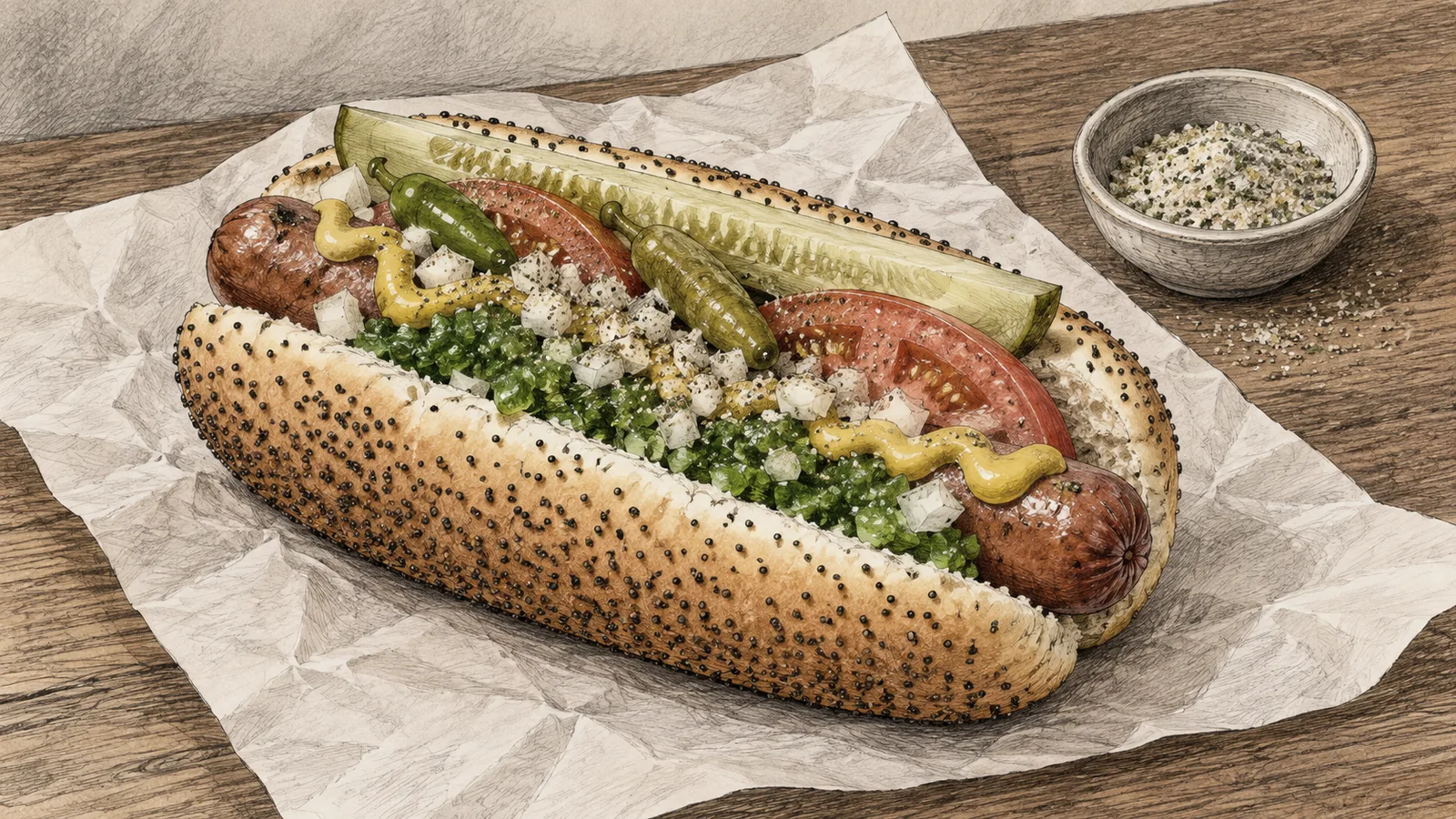
Celery Salt and the Chicago Hot Dog
Celery salt is salt and ground celery seed, not dried celery, and no maker publishes the ratio. It is the seventh and last topping on a Chicago dog, and the first ingredient in Old Bay.
Read the article →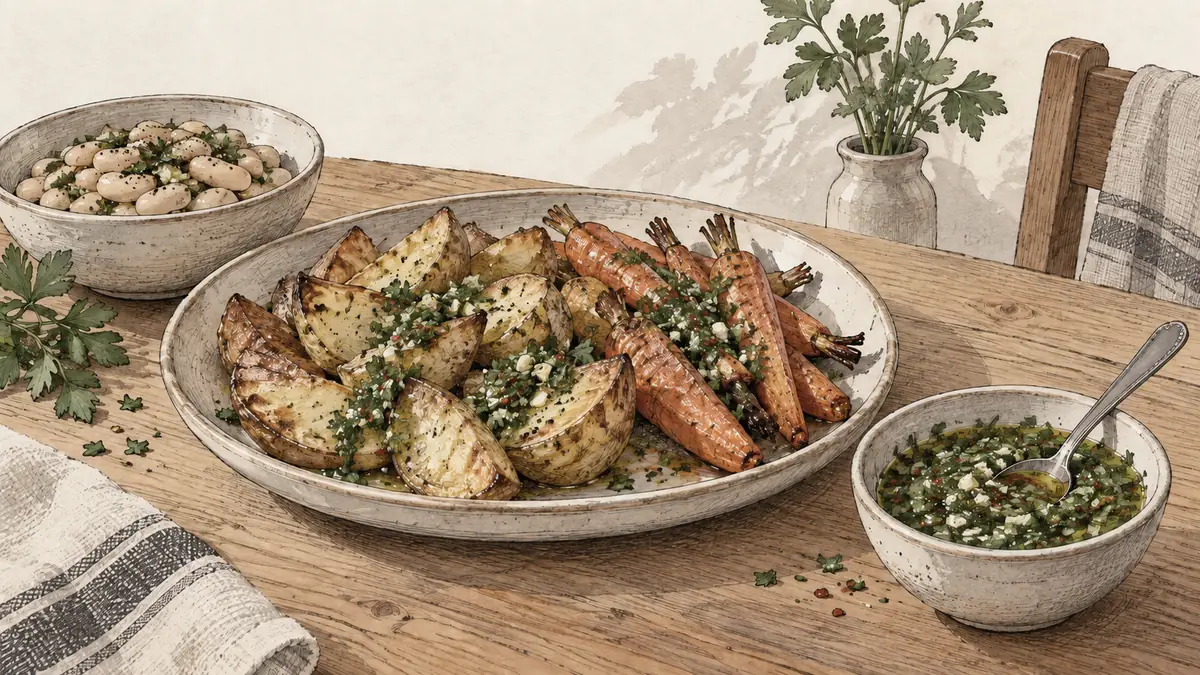
Chimichurri for Vegetables: When to Add It
Roasted potatoes, carrots and warm white beans. Three ways to bring chimichurri to the everyday table, with the sauce added after the heat.
Read the article →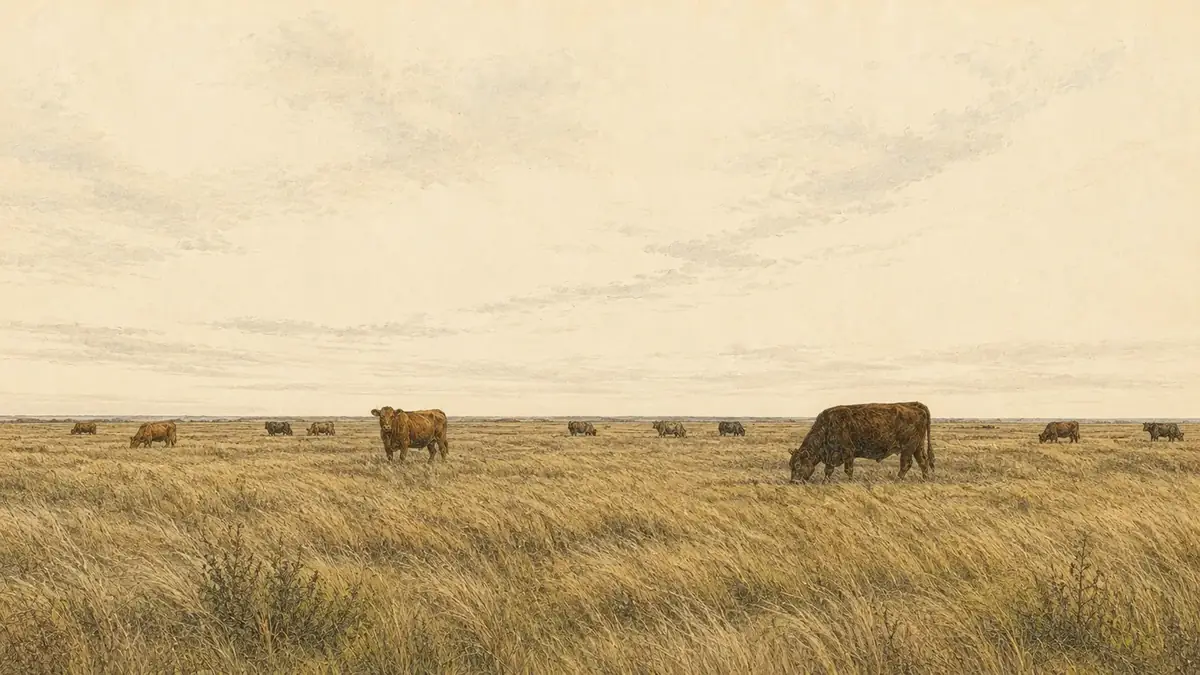
Is Argentine Beef Actually Grass-Fed?
Mostly grass-raised, increasingly grain-finished. What the pasture image gets right, what it misses, and what the feedlot numbers actually say.
Read the article →Get the next guide
An email when we publish a new salt guide or recipe, and first word when the Patagonian salts are ready to order.
We write when there is something to say, not on a schedule.