Herb-forward sauces, chimichurri, and seasoning blends inspired by South American open-fire cooking. Fire, salt, herbs, smoke, patience — simple food done well, built for the modern kitchen.
The Salt Line ships first — eleven Patagonian sea salts, made in the Midwest. Be first to know.

Most seasoning blends turn out to be salt, sugar, and “natural flavors” wearing a nice label. Here is the standard we set instead.
Pre-ground commodity spice loses its volatile oils within months. We buy whole where the format allows and grind close to filling. It costs more and it is the entire difference in the jar.
Salt is the cheapest thing in a spice jar and it reads as flavor, so it is usually near the top of the list. Ours run 10–22%, and six of the twenty have none at all. Where salt is the point, it’s in the name.
No anti-caking agents, no maltodextrin, no dextrose, no yeast extract, no natural flavors. Our jars may clump in humid weather. That is what real ground herbs do, and we’d rather you had that.
Eleven Patagonian sea salts and their collections. Shipping first.
Everything here starts as the same salt: sea salt evaporated from Atlantic seawater off the coast of Patagonia. Not mined, not a dried-up ancient lake bed — present-day seawater, filtered and evaporated slowly at low temperature so the crystal survives the process. We finish it in small batches in our licensed Illinois home kitchen — some left pure, some smoked slowly over real hardwood, some worked into the seasonings Argentina actually cooks with. Himalayan salt and Hawaiian salt each turned a place into a pantry name; Patagonian salt is the one the shelf has been missing, and this is its line. It ships first, to Illinois addresses, while the full blend collection below is still in development.
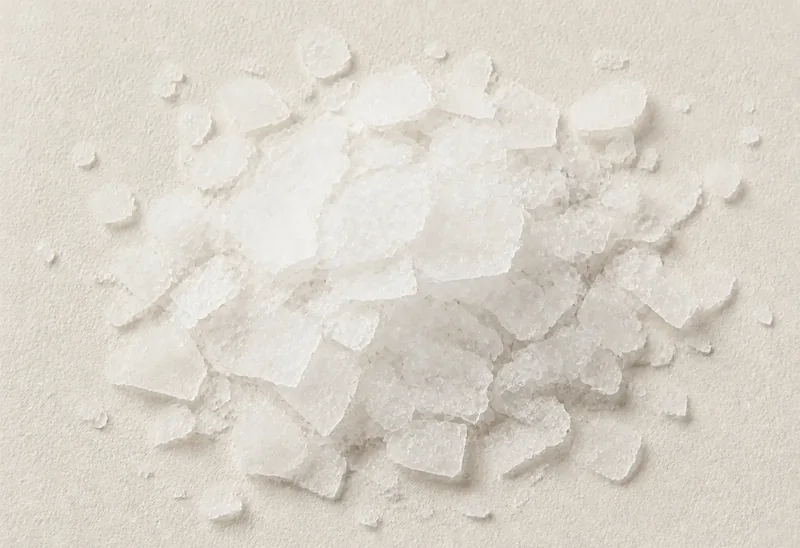
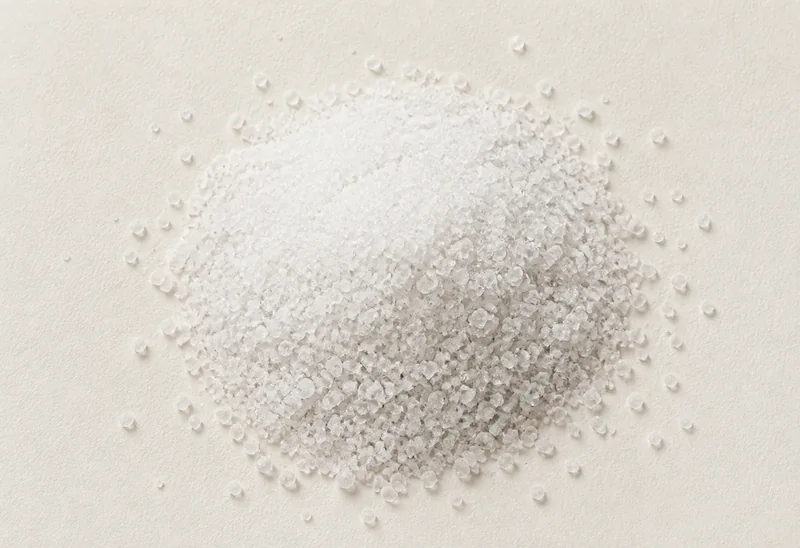
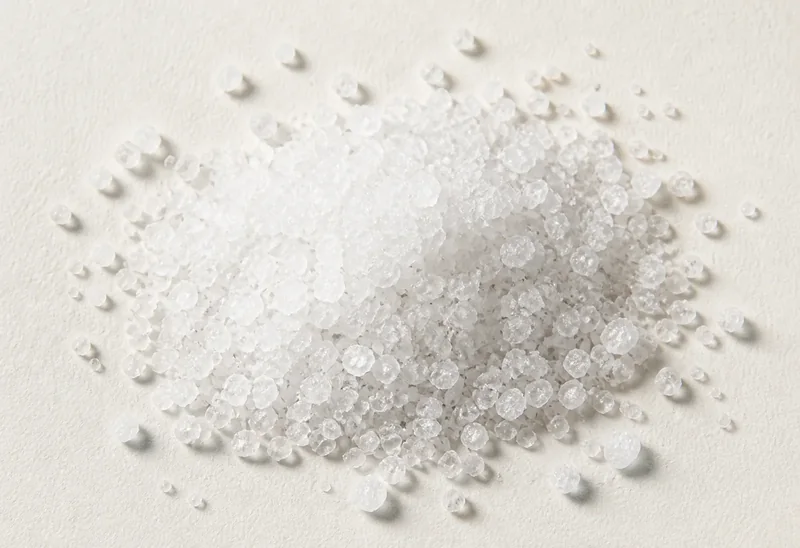
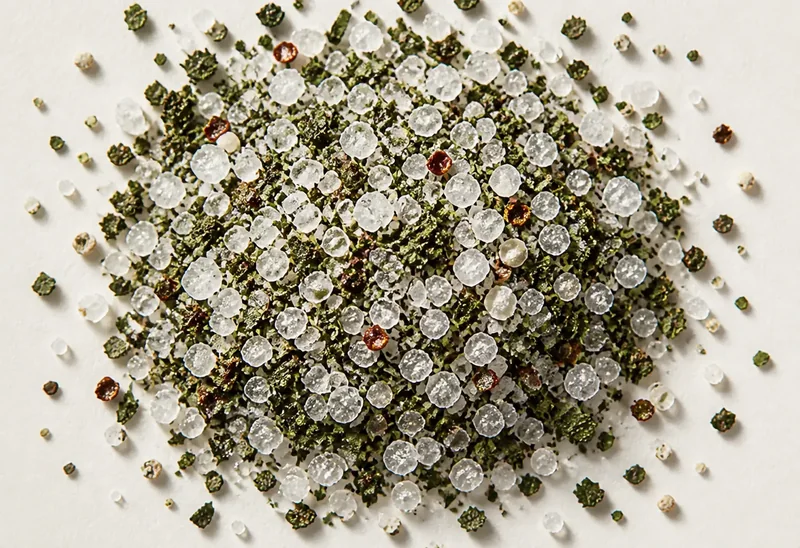
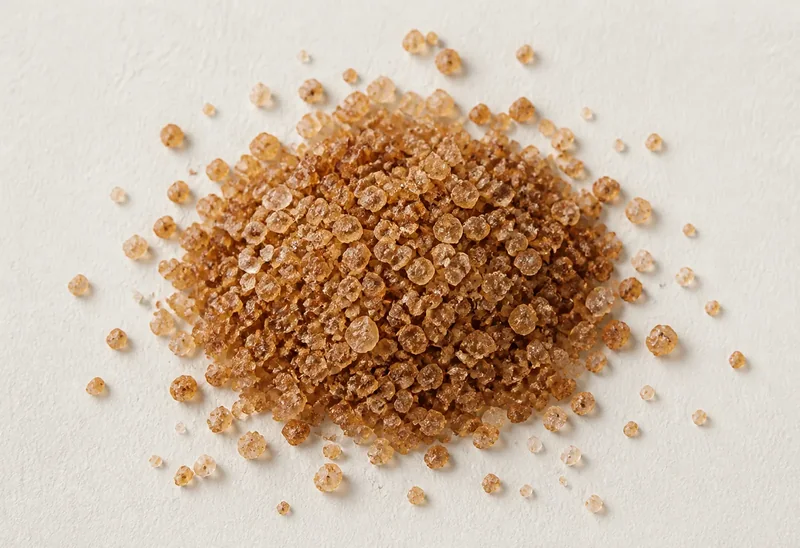
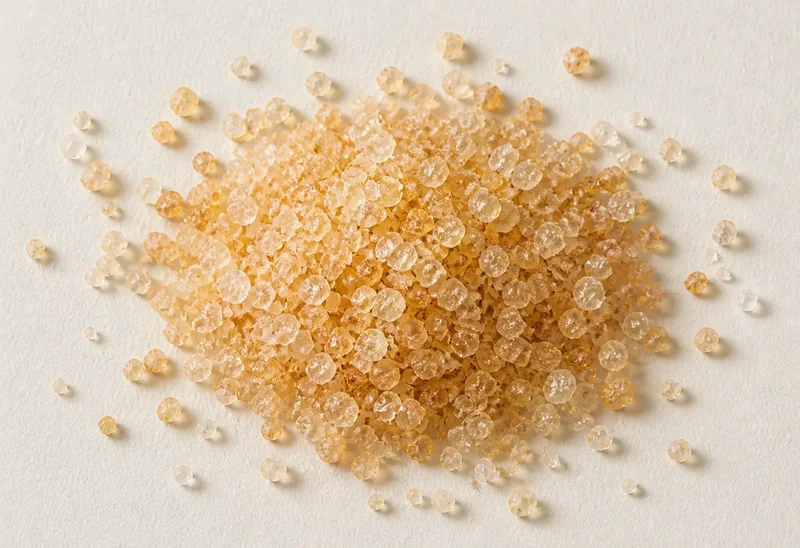
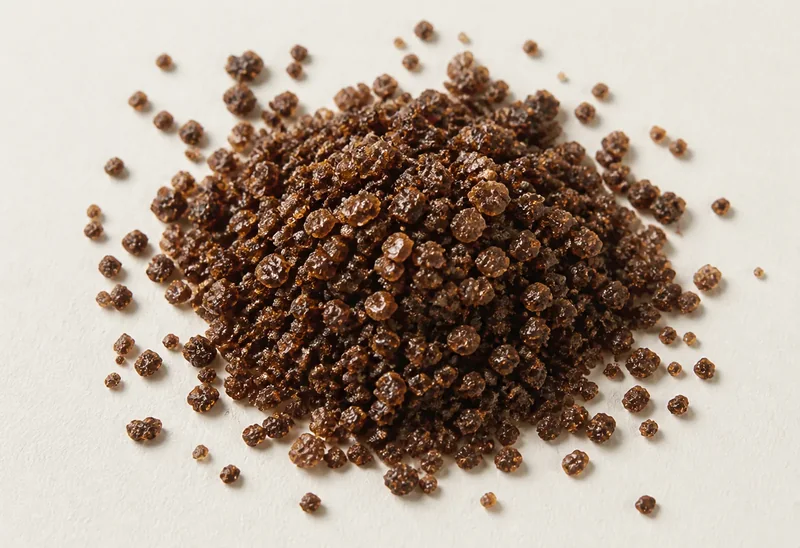
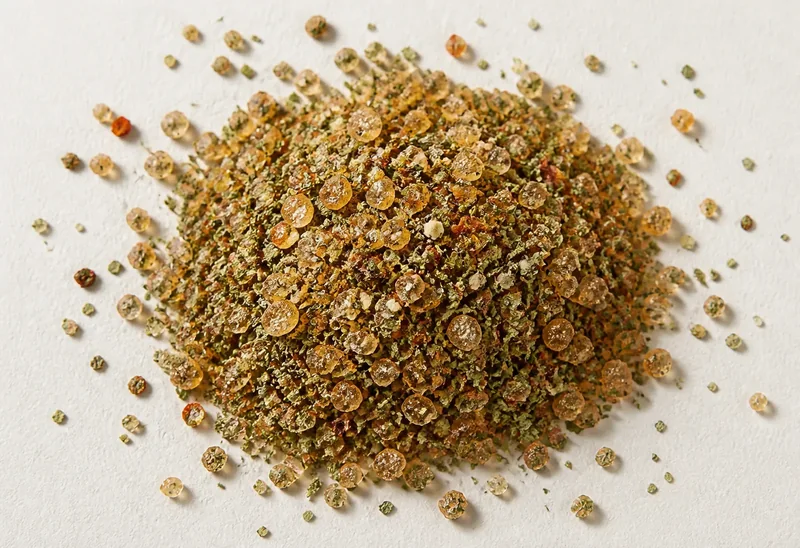
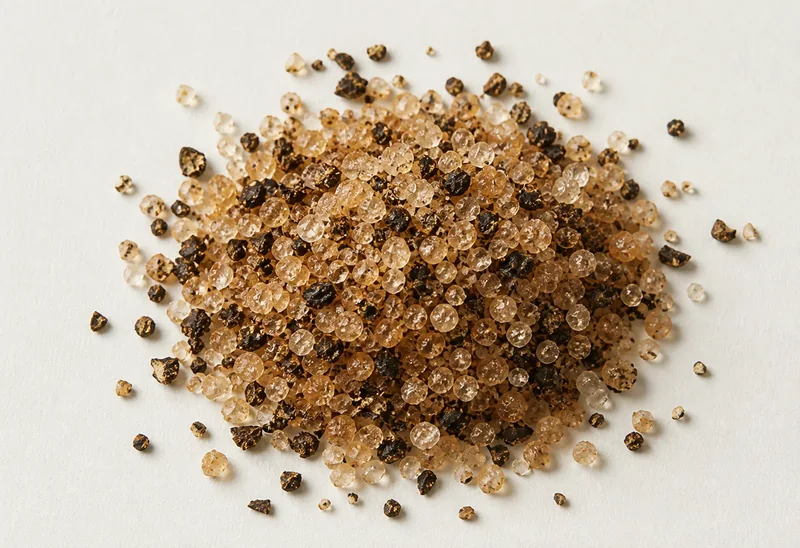
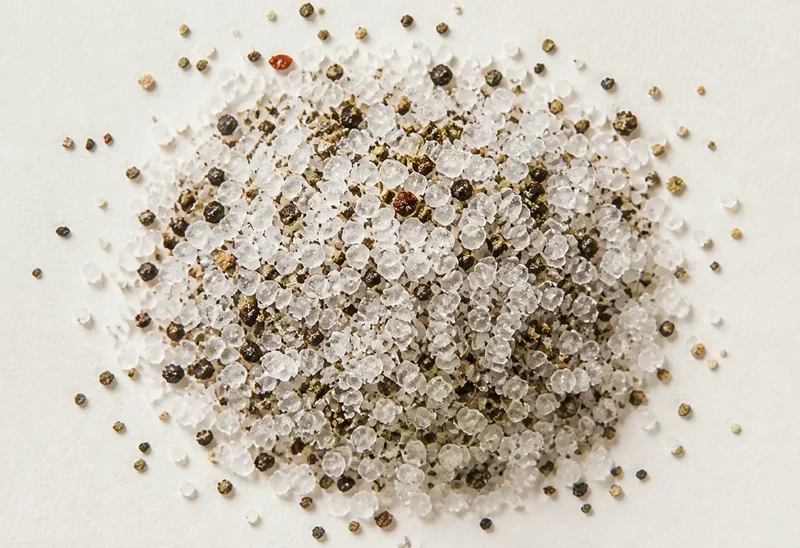
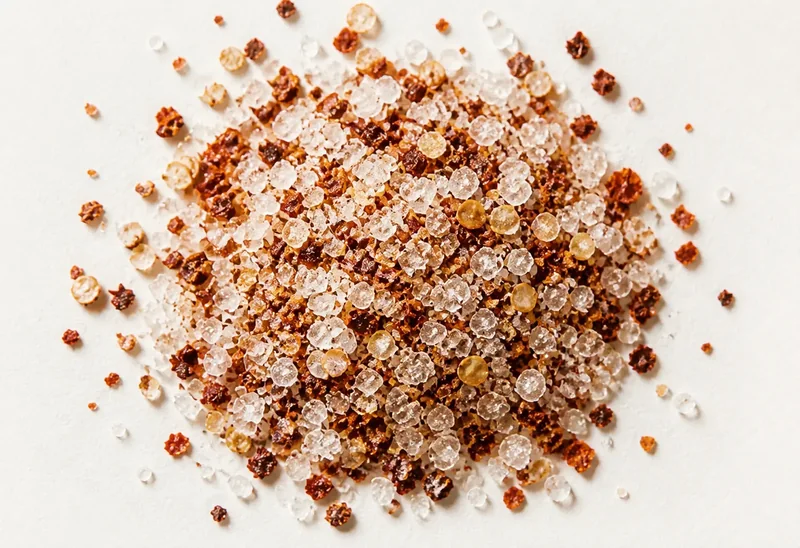
None of these is a new recipe — each is three of the eleven salts, chosen so they tell one story together: where the salt comes from, what smoke does to it, what the fire wants, what Argentina cooks with. Six collections at launch, with a six-jar Gaucho Provisions box to follow. If you are introducing someone to the brand, this is the shelf to do it from.
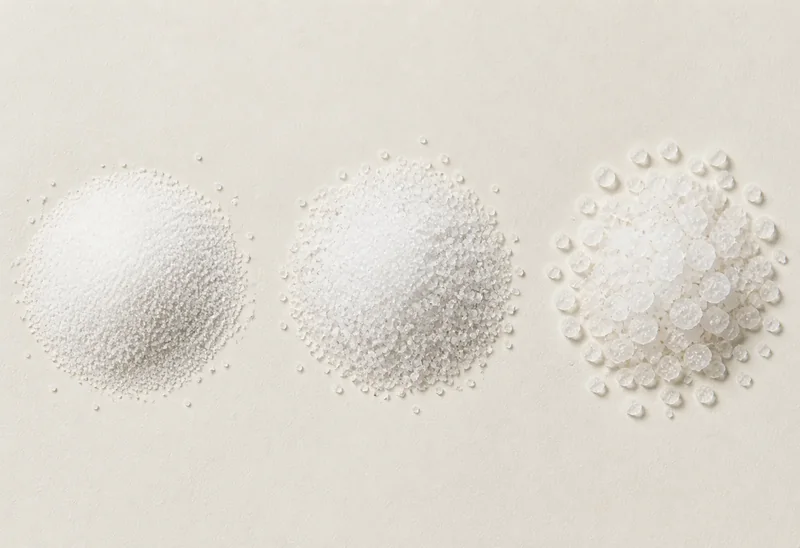
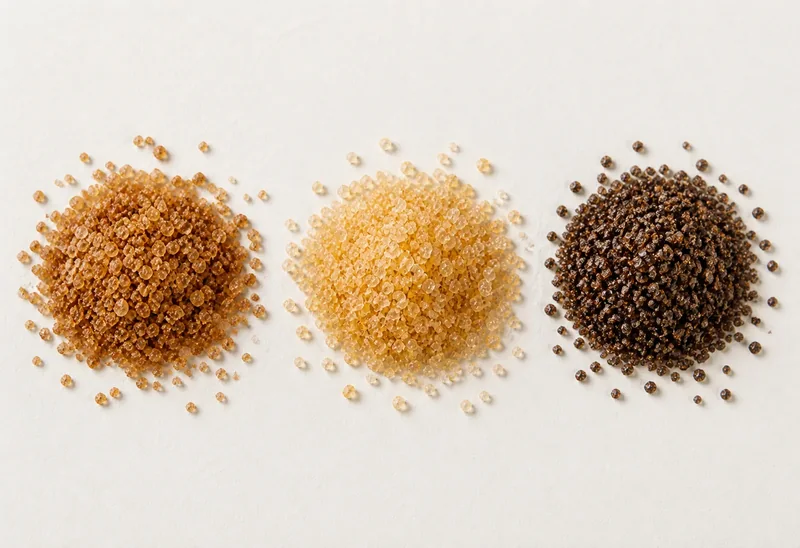
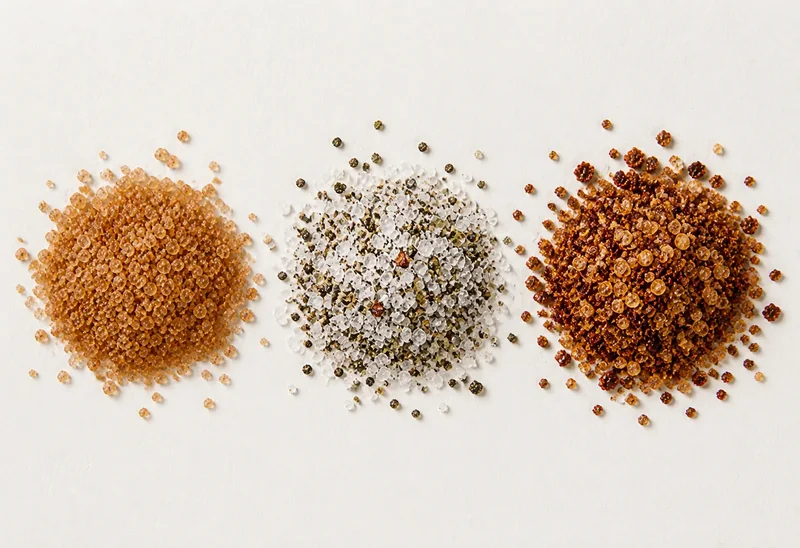
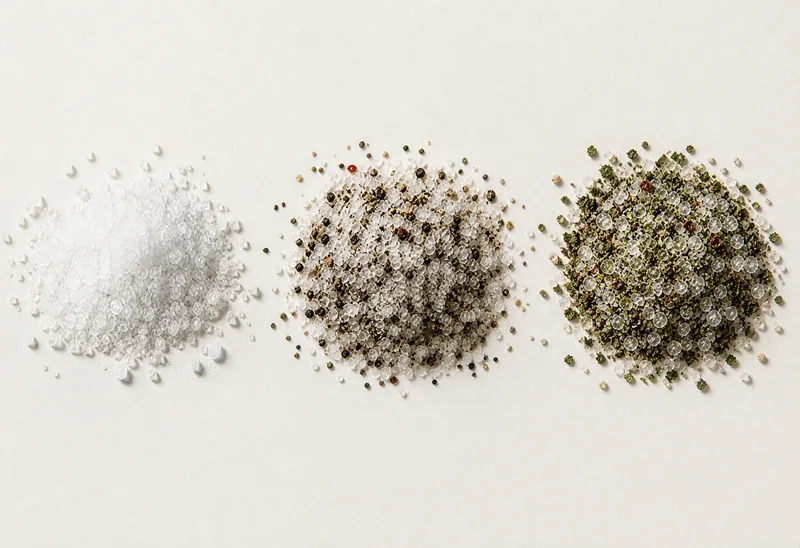
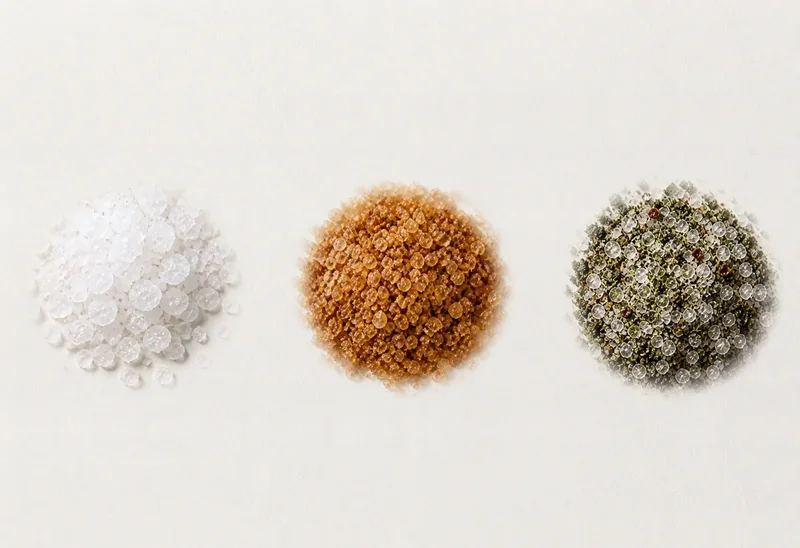
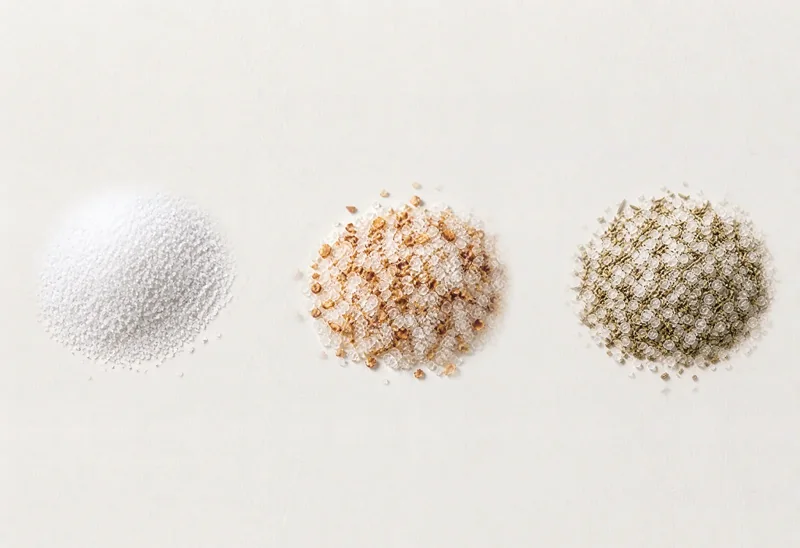
The blend shelves — fire, chile, kitchen, estancia. In development.
The salts you throw on by the fistful, the rubs that go on an hour ahead, and the dry chimichurris you turn into sauce while the coals settle. If you own a grill, this is the shelf that matters — and it is where an Argentine cook spends almost all of their seasoning attention. If you buy two things from this whole line, buy Sal de Fuego and a dry chimichurri.
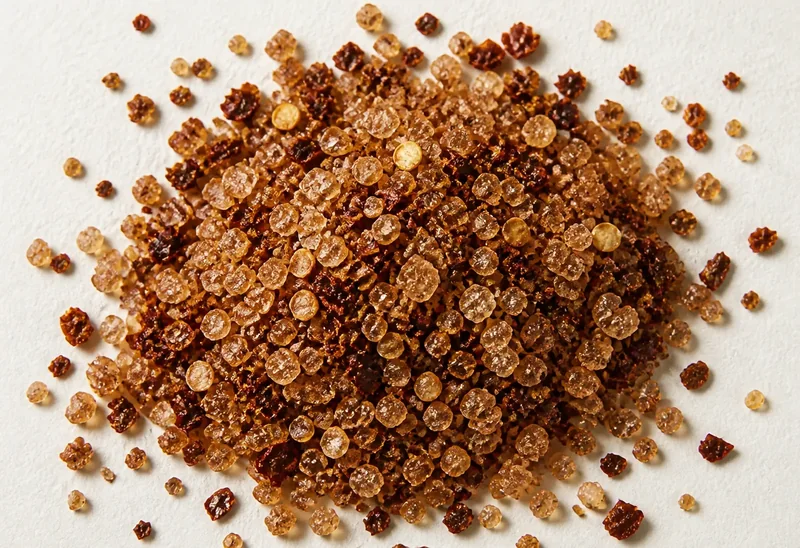
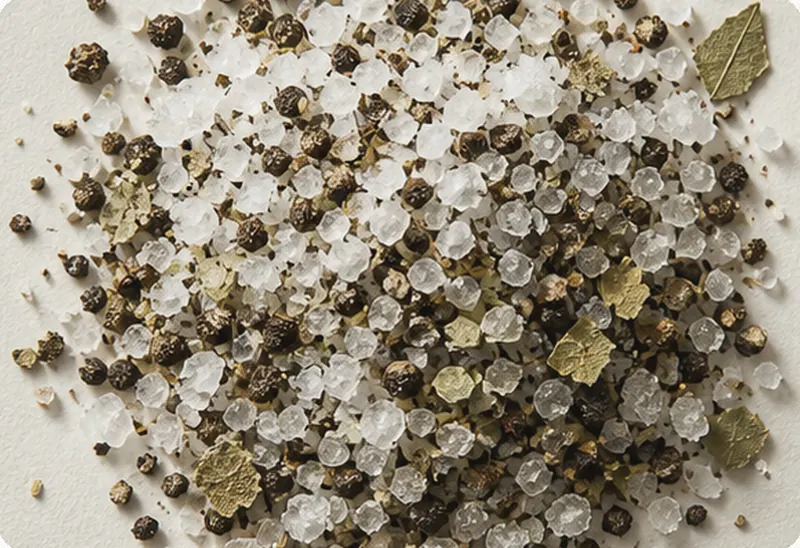
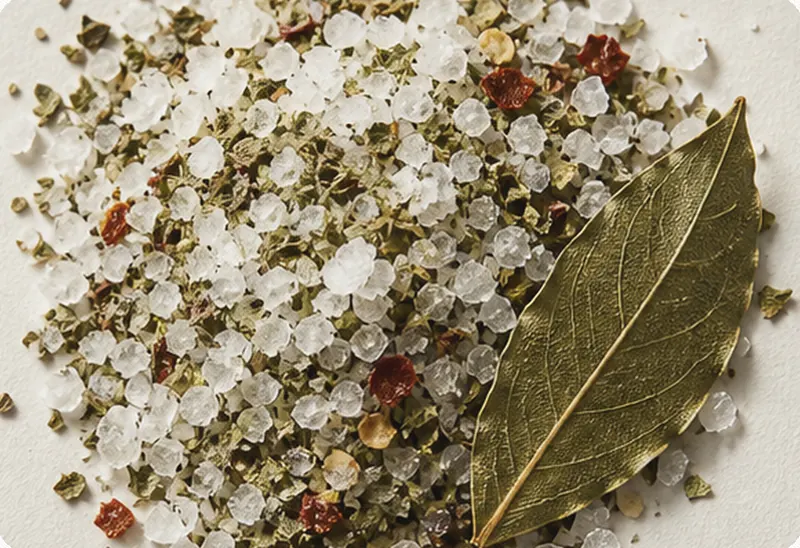
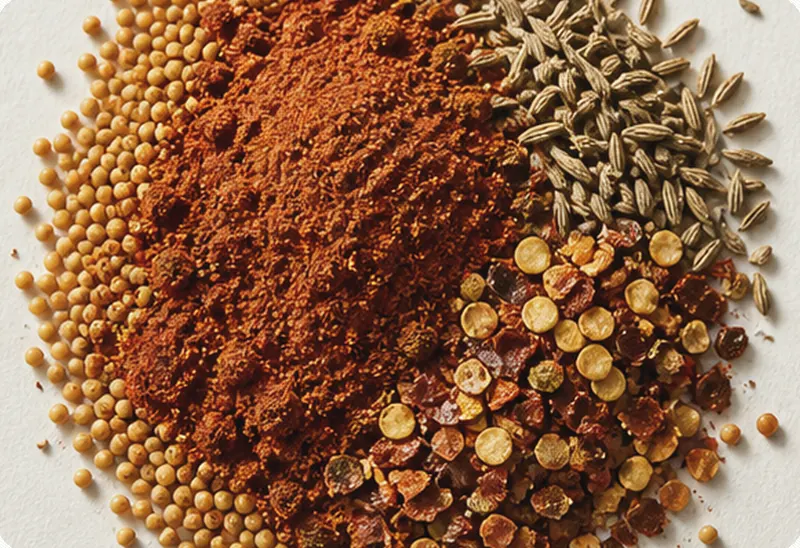
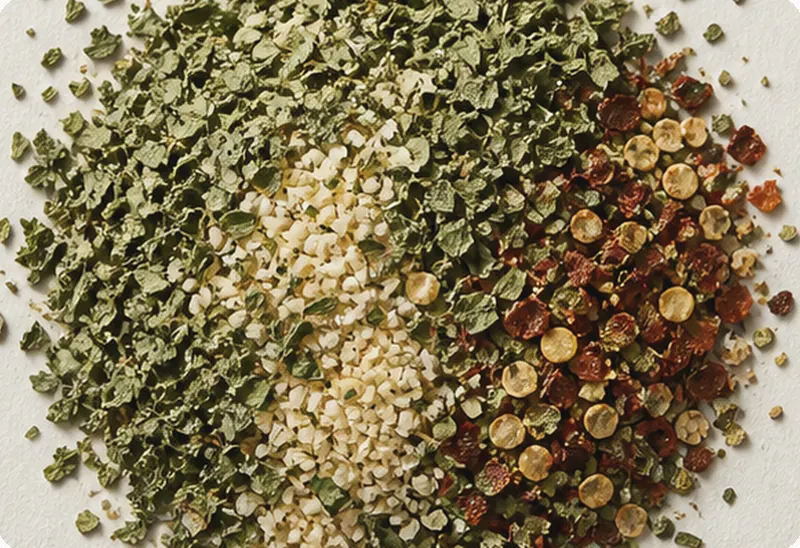
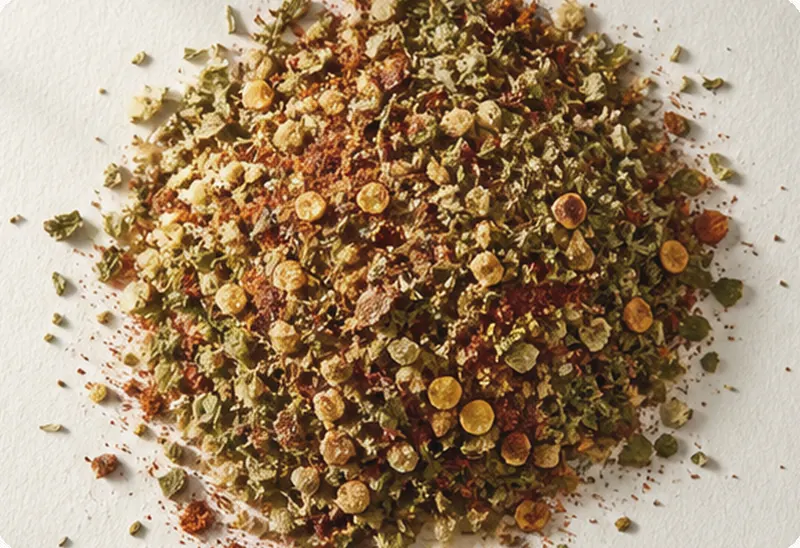
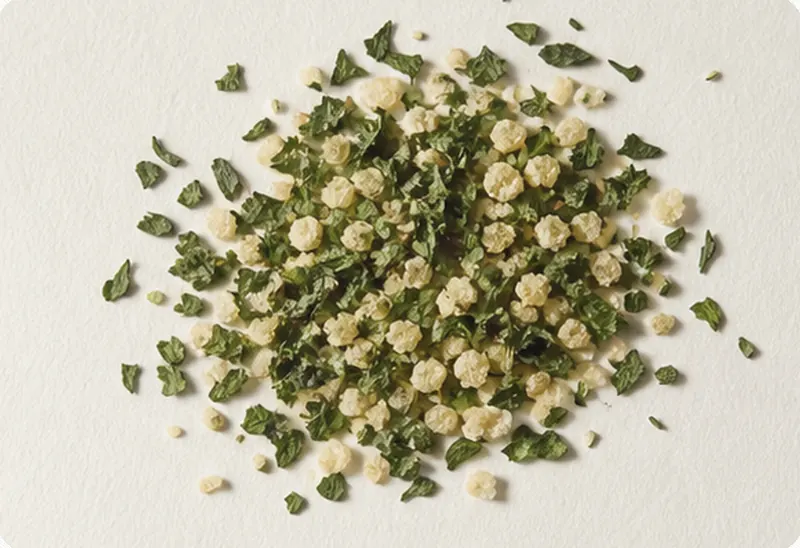
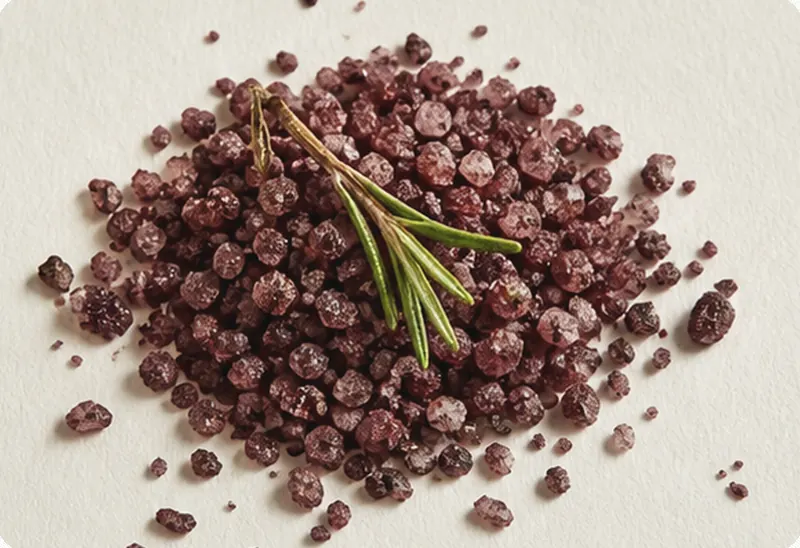
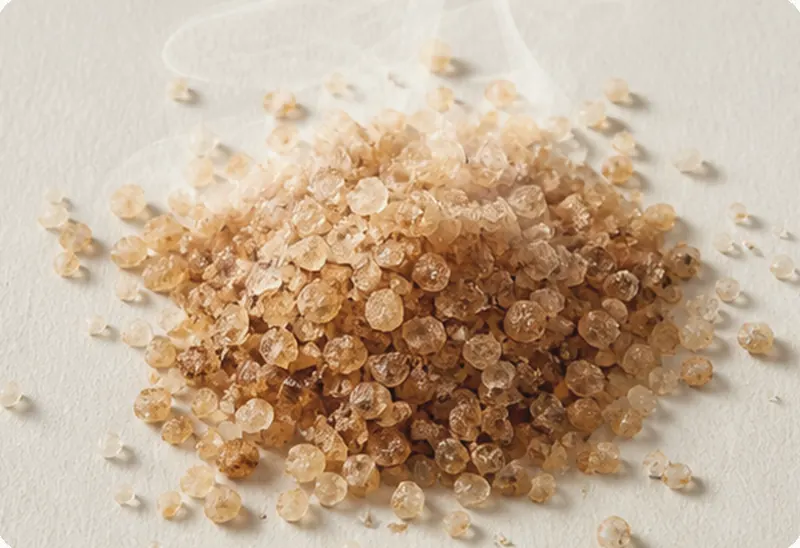
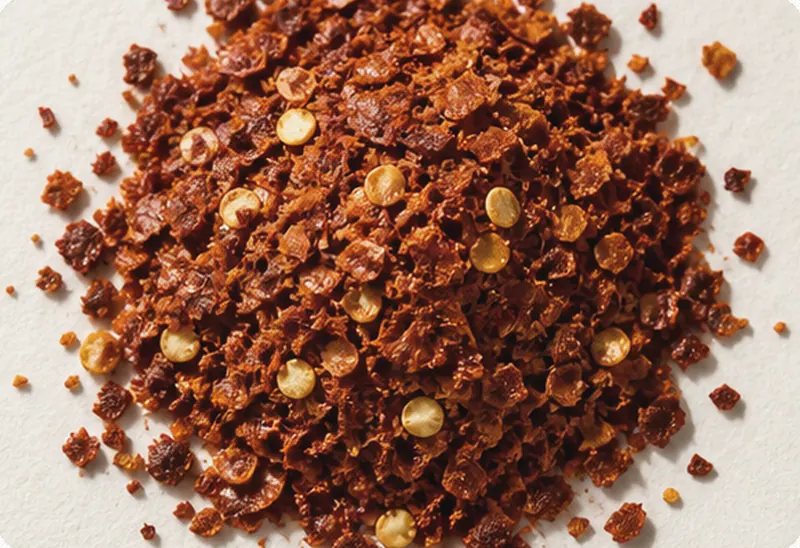
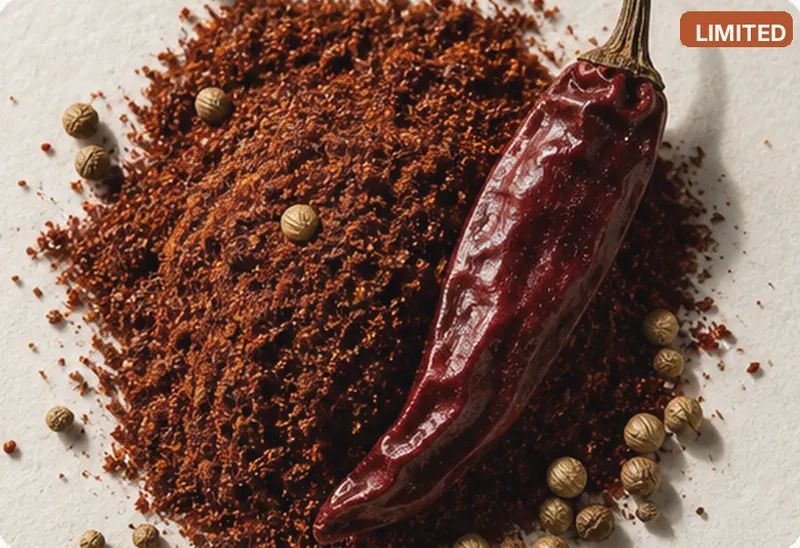
Argentine food is not spicy the way Mexican or Thai food is spicy. The heat sits on the table rather than in the pot, and it is fruity and warm rather than sharp. These three cover the range: the everyday chili the whole country cooks with, a smoked one from the Andes, and one for the person at the table who always wants more.
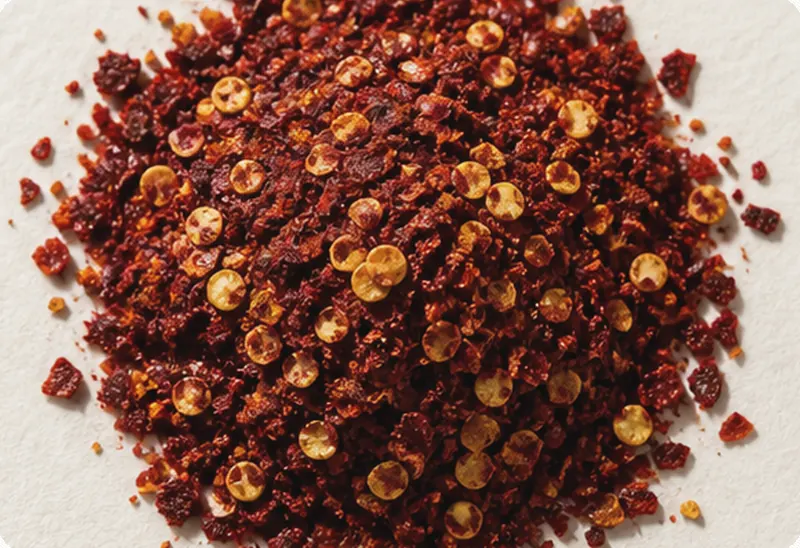
The jars that live next to the stove. Seasoning for empanada filling, the mix that goes into breadcrumbs before a cutlet is fried, the shaker that sits on every pizzeria table in Buenos Aires, and the herbs for a tomato sauce that simmers all afternoon. These are the most-used blends in an Argentine home and the least known outside one.
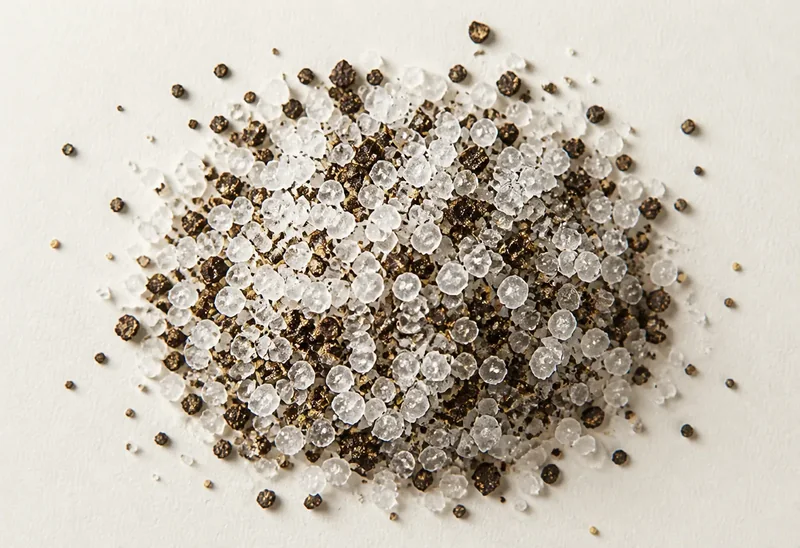
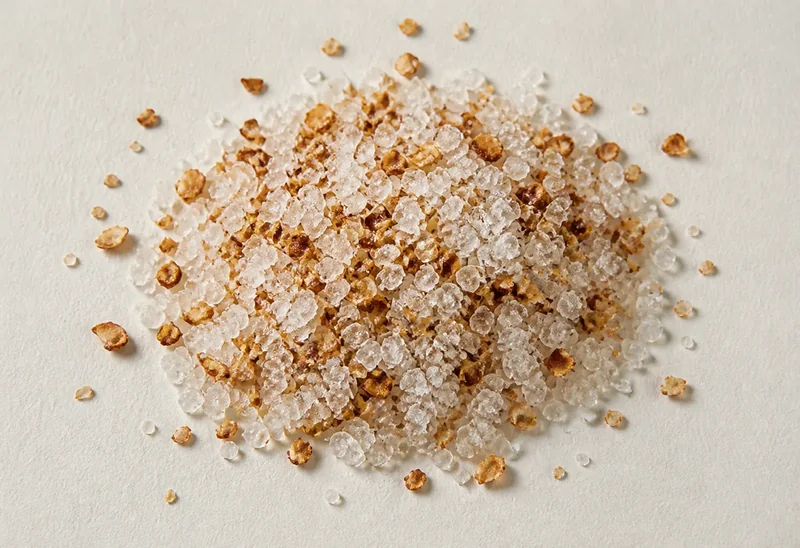
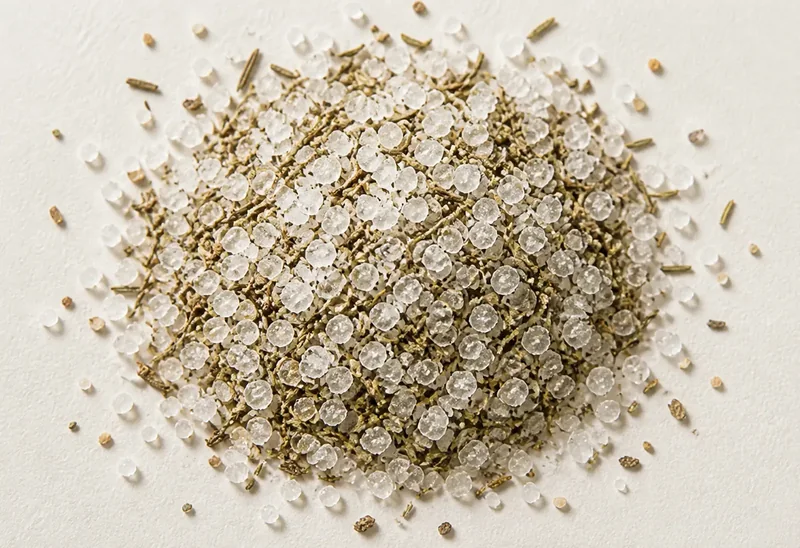
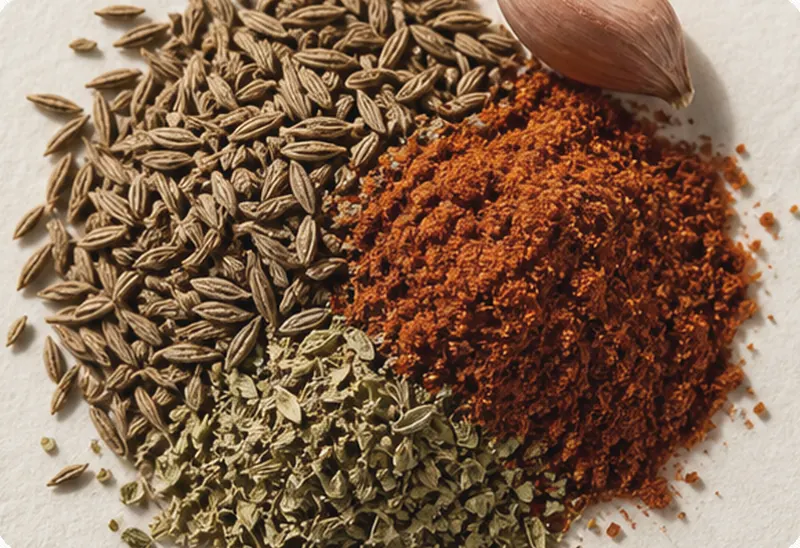
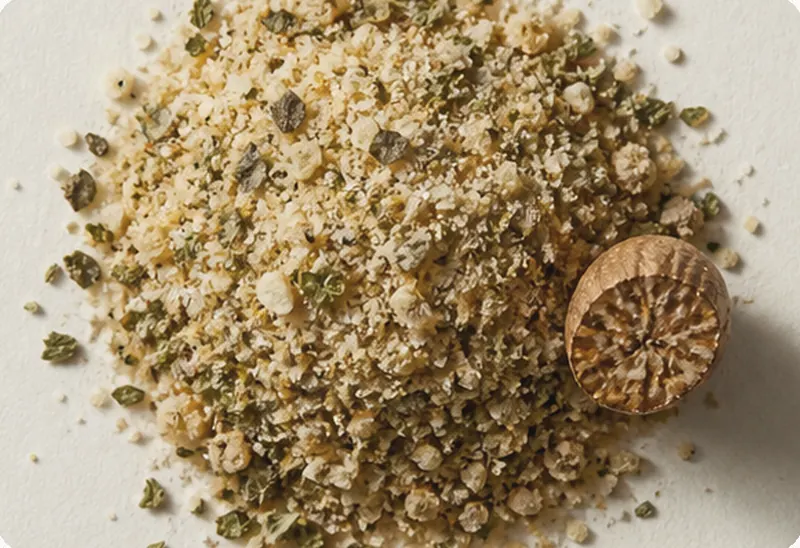
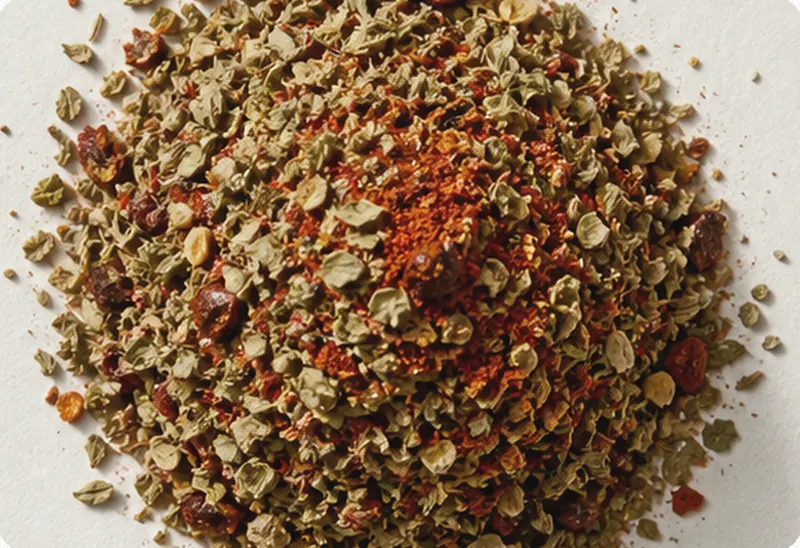
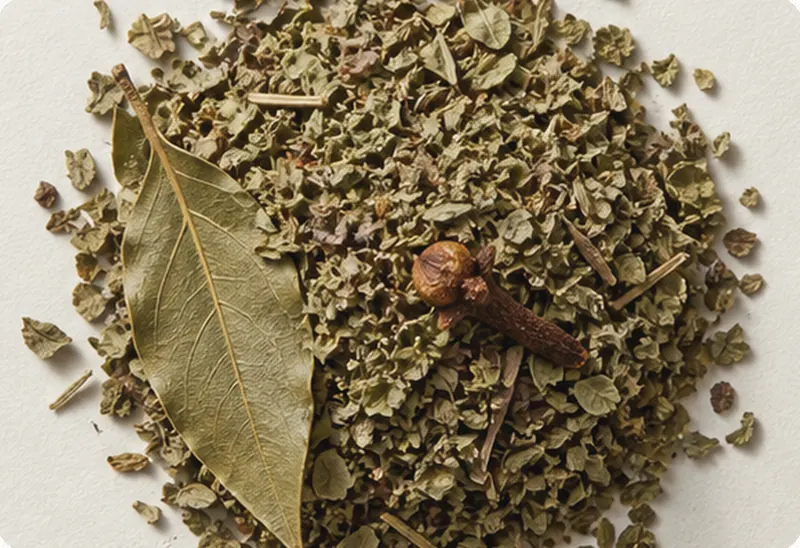
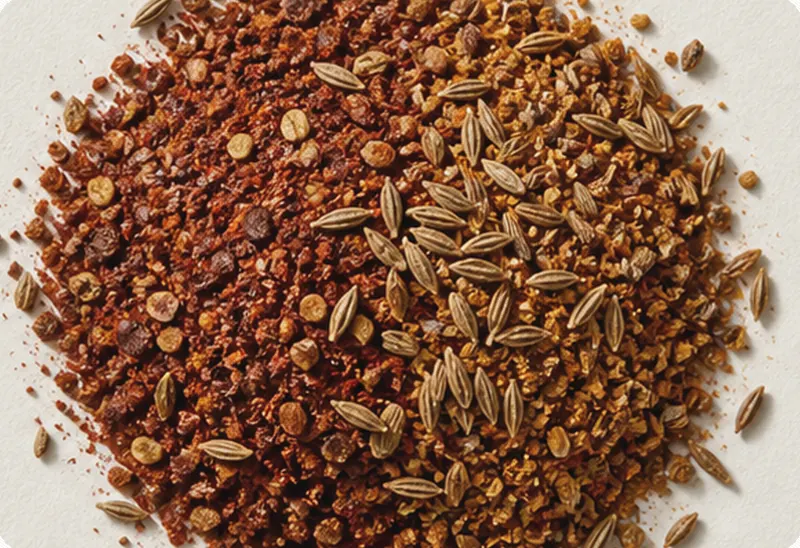
Narrower than the rest of the line and the ones people end up talking about: Patagonian lamb, chicken in the plough-disc pan, the vegetables from the kitchen garden, and toasted yerba mate pressed onto a steak. Each was made for one job and then turned out to be good at several.
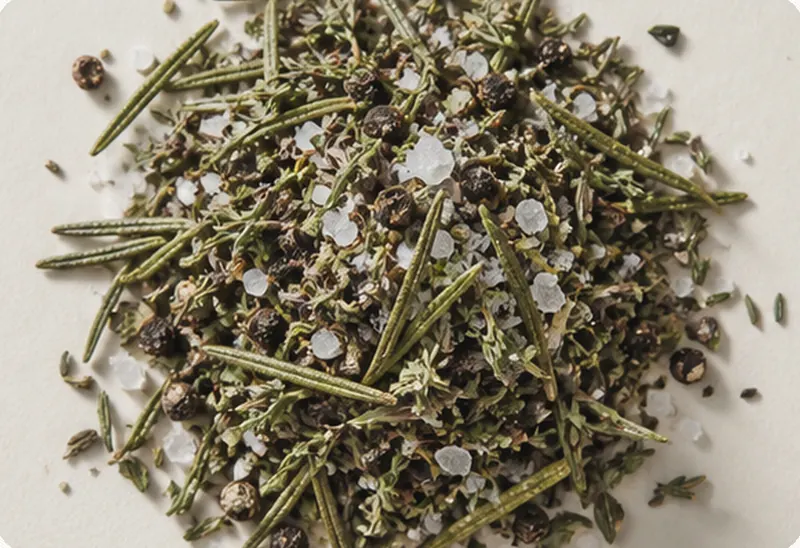
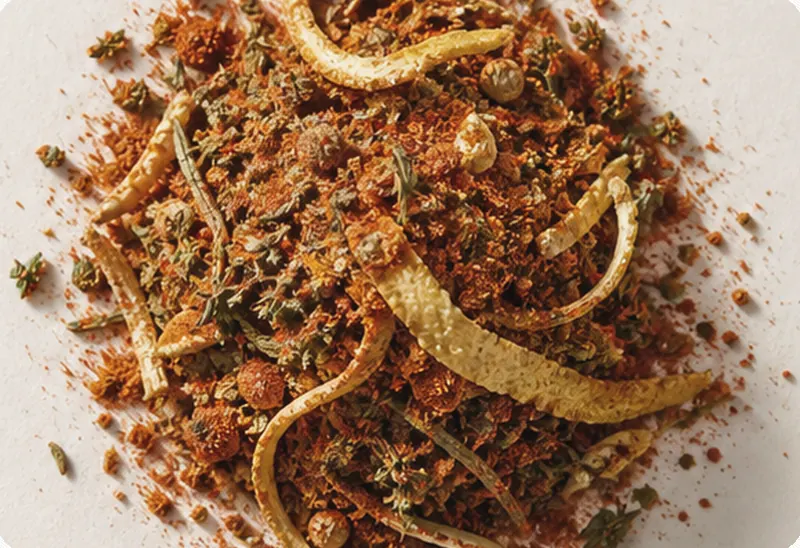
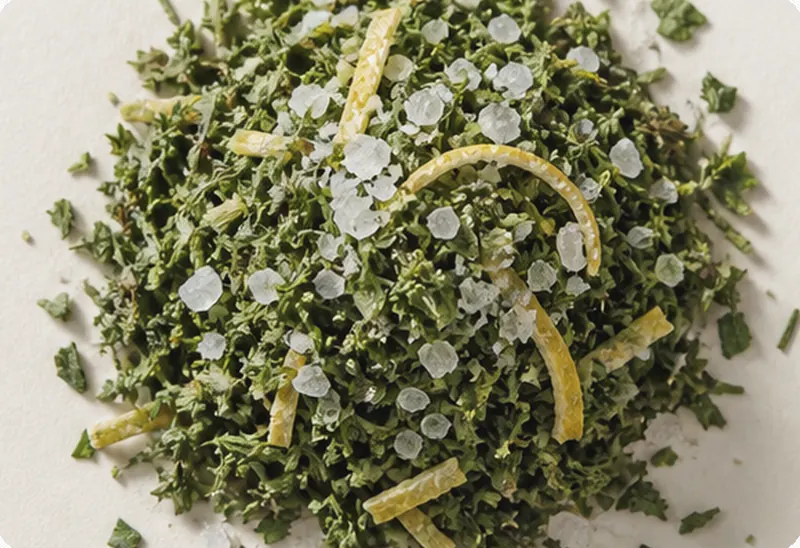
Argentine tinned fish from the canneries of the coast. In development.
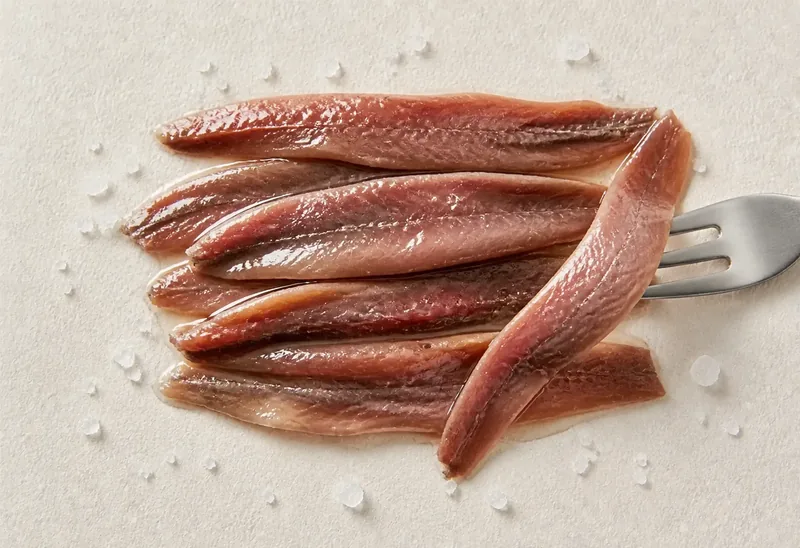
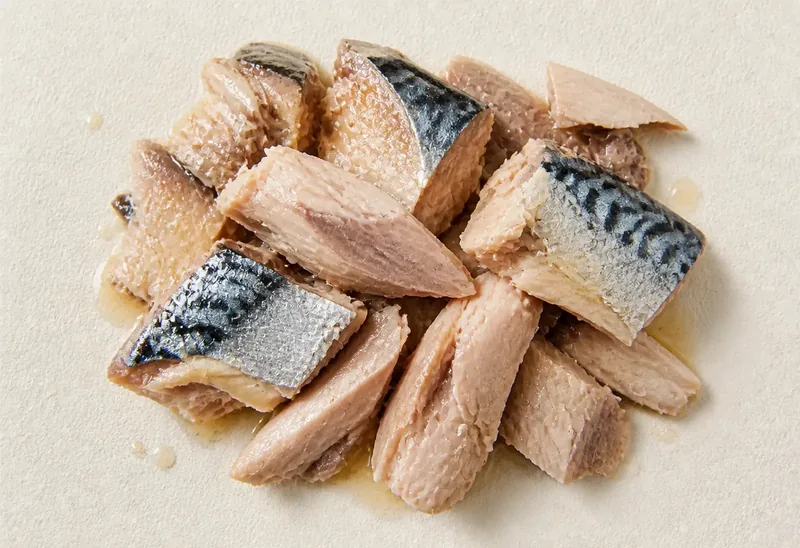
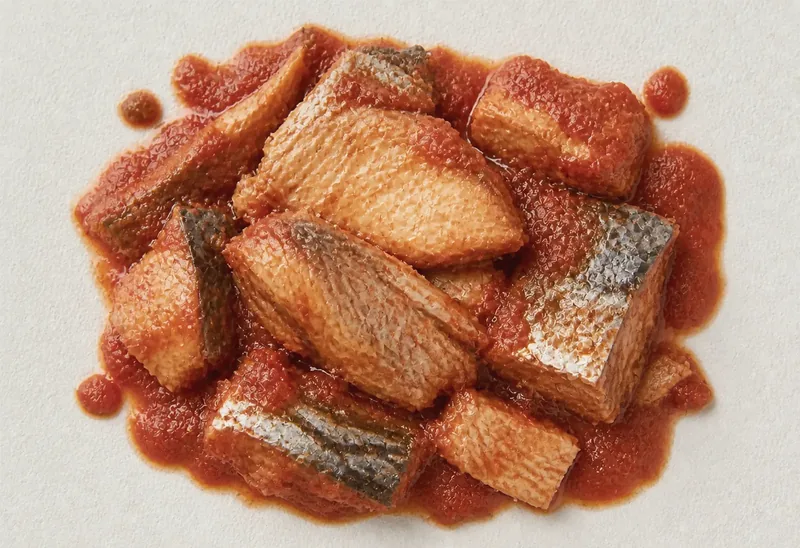
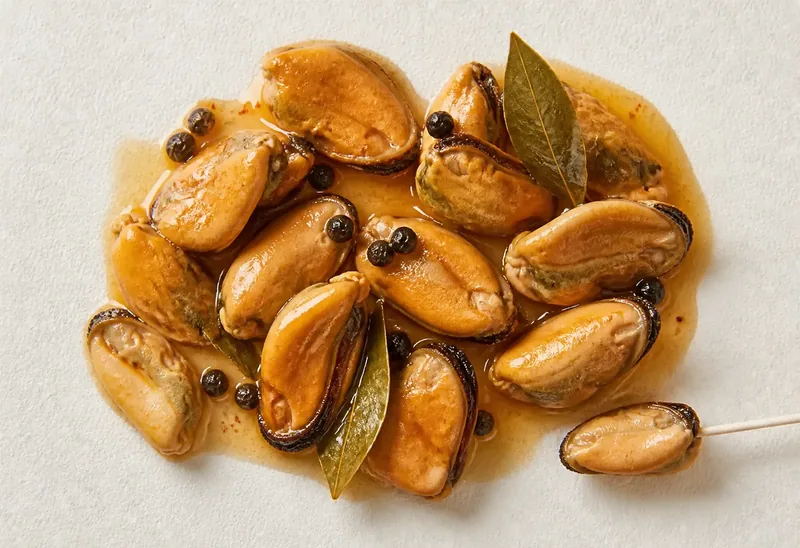
In development alongside the salt: anchoíta — the small silver anchovy of the South Atlantic — salt-cured in the saladeros of Mar del Plata, caballa (Argentine mackerel) packed in oil and in tomato, and mejillones en escabeche for the vermouth hour. Wild-caught in the spring zafra, cured the slow way, and honest about every step. The salt ships first; the conservas follow, under our label, from established Argentine canneries we will name when the ink is dry.