
What Goes Into Chimichurri Salt? Testing the Four Core Ingredients
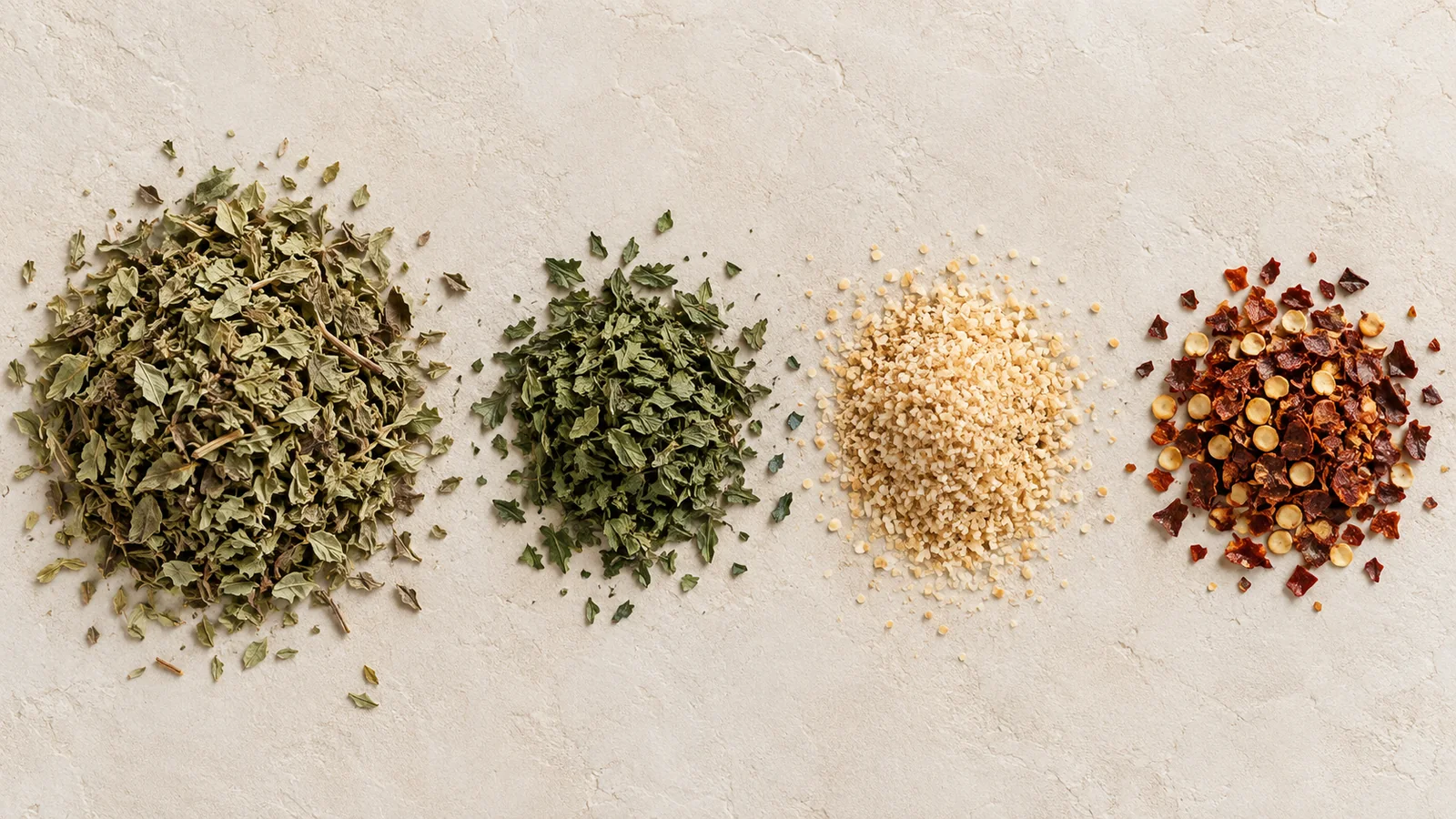
A package described as a chimichurri salt sample arrived without a finished salt blend. What it did provide was useful: four retail ingredient references that let us examine the physical decisions hidden inside a dry chimichurri mix before any salt enters the bowl.
Disclosure. Gaucho Provisions bought these four retail products at Whole Foods Market in Deerfield, Illinois, on 24 September 2026. They are benchmarks, not sponsors or endorsements. We photographed the packages ourselves. The receipt is retained privately and is not published.
First: this is not a finished salt
The group contains dried oregano, dried parsley, granulated garlic and crushed red chile. It does not establish a salt grade, a salt-to-herb ratio or a finished formula. Calling the photographs a chimichurri salt would overstate what arrived.
Separated ingredients are still valuable. They make particle size, stem content, colour and ingredient form visible. Those choices determine whether a dry chimichurri blend reads as leafy and distinct or collapses into green dust.
1. Oregano should lead
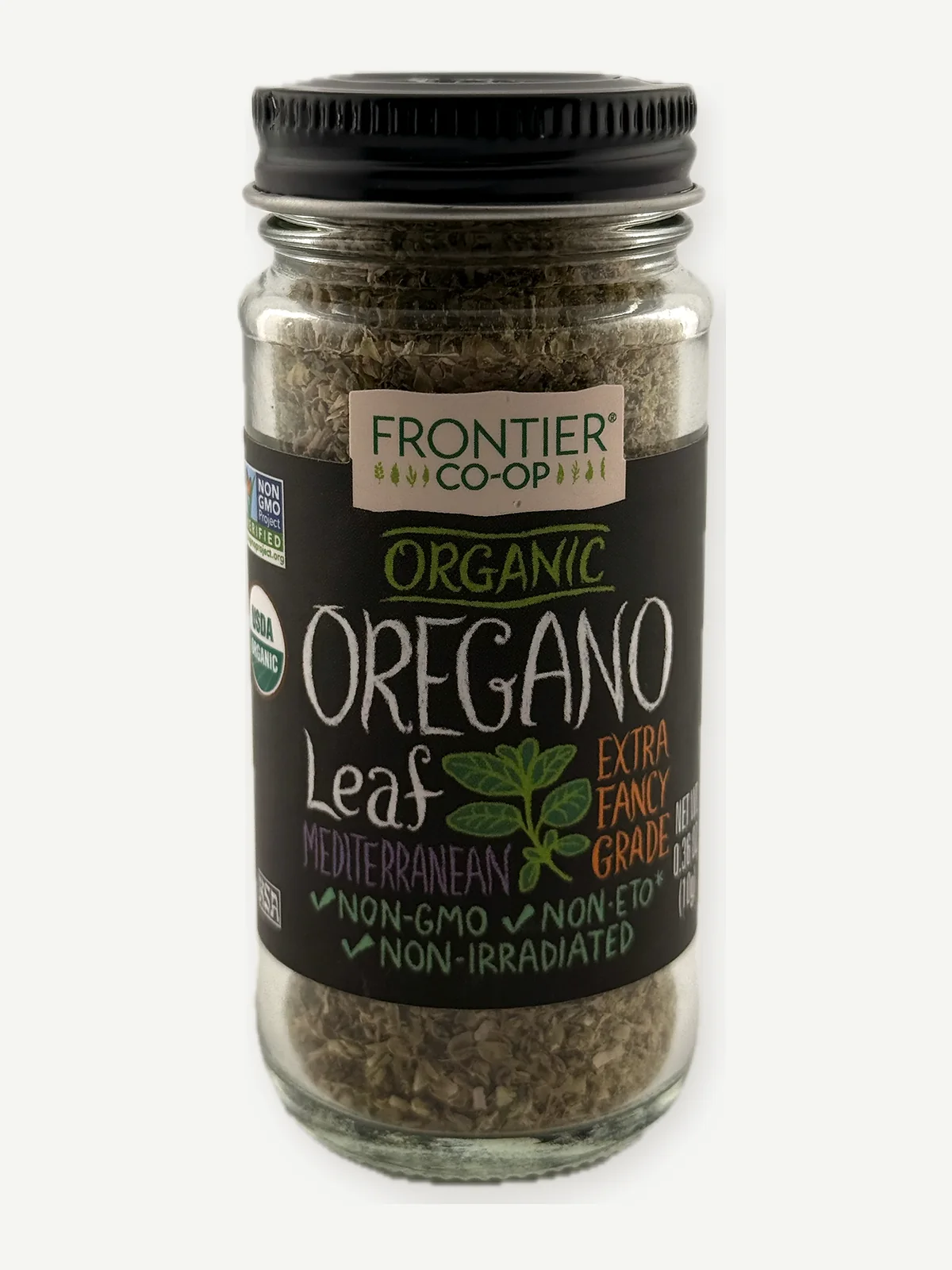
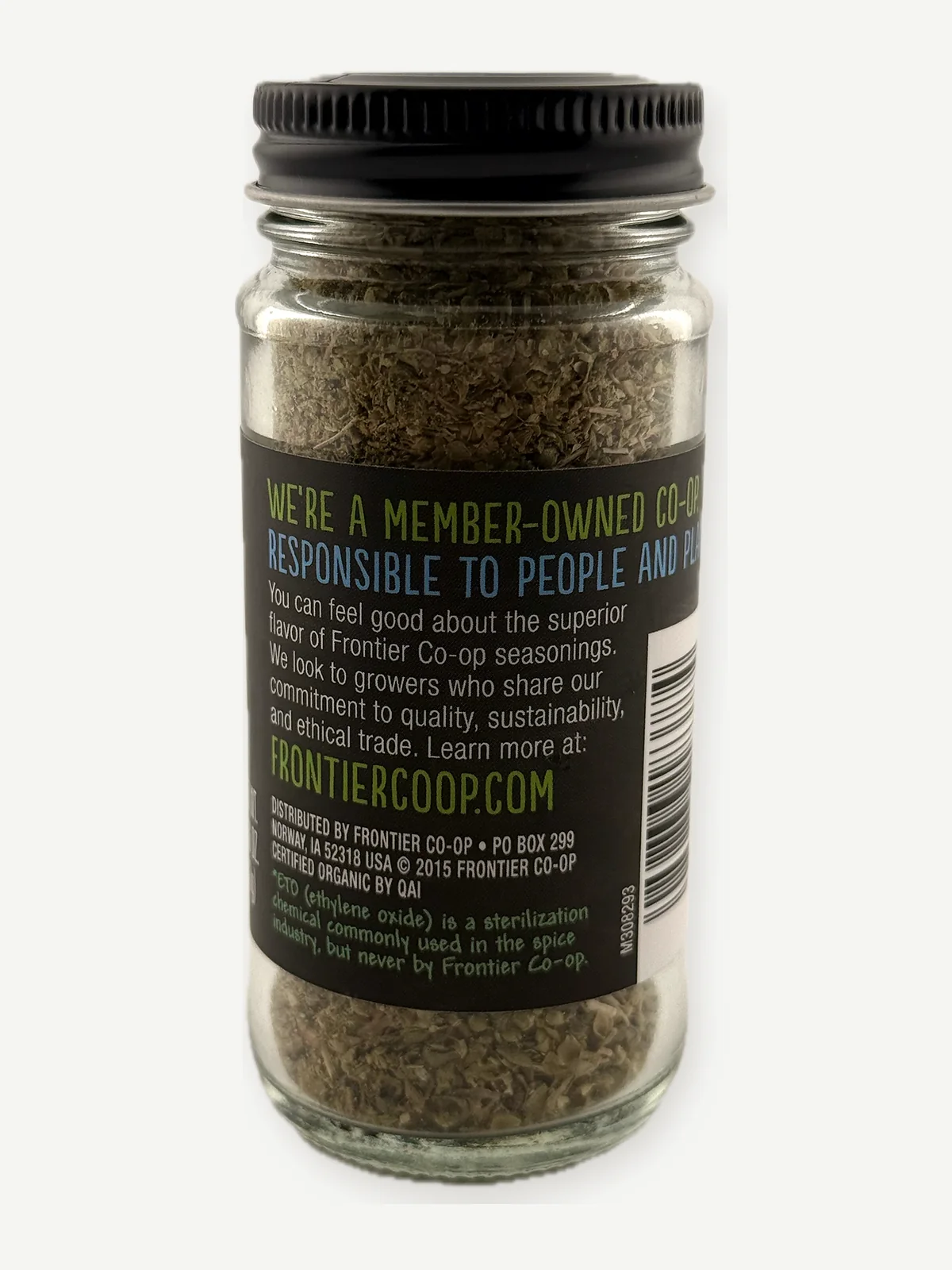
Oregano supplies the central dried-herb aroma. For a classic Argentine register, it should be recognizable as leaf rather than anonymous powder. The useful questions are simple: how much stem is present, how even is the cut, and does the aroma remain clear after hydration?
2. Parsley carries colour, not the whole flavour
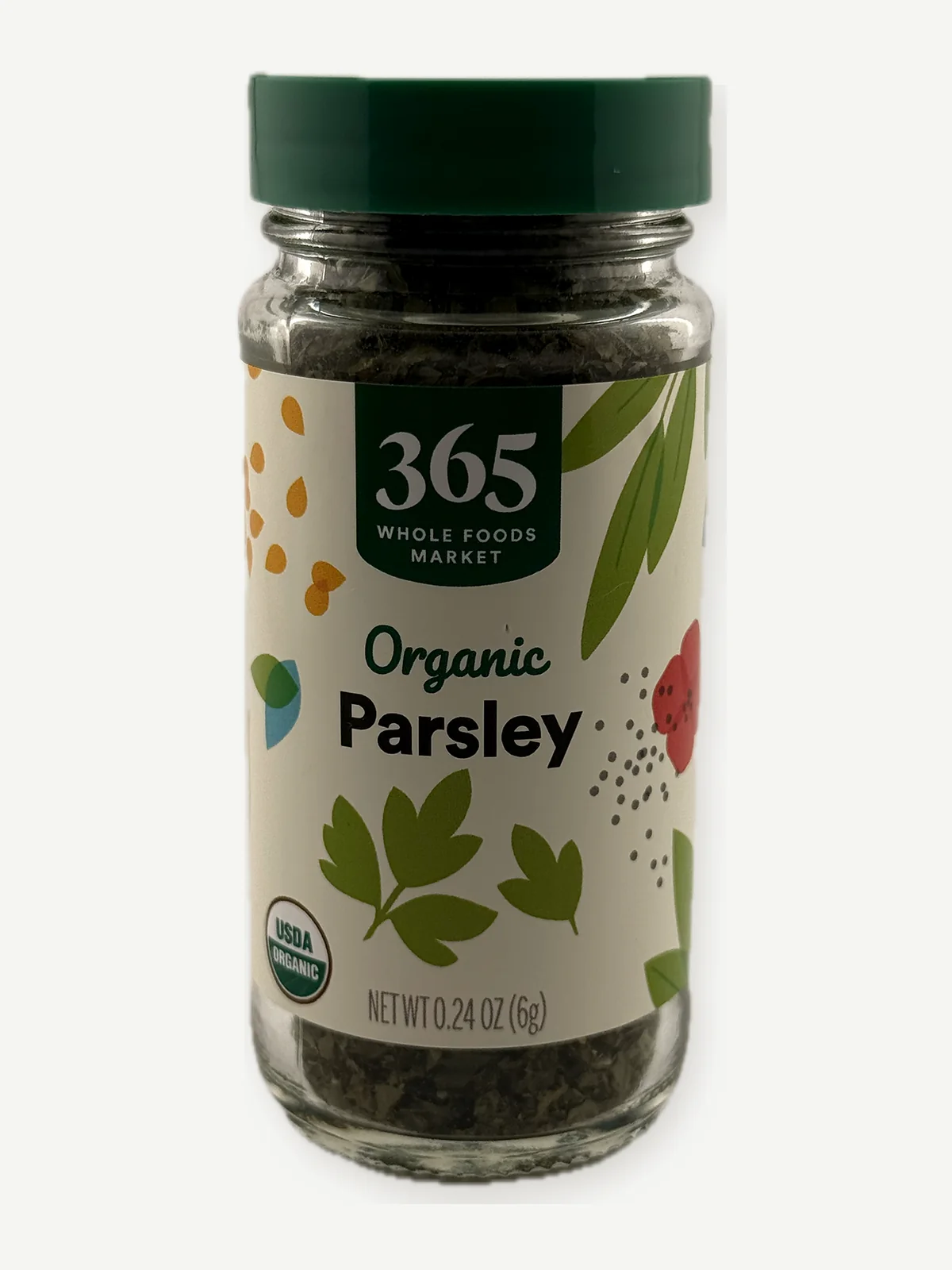
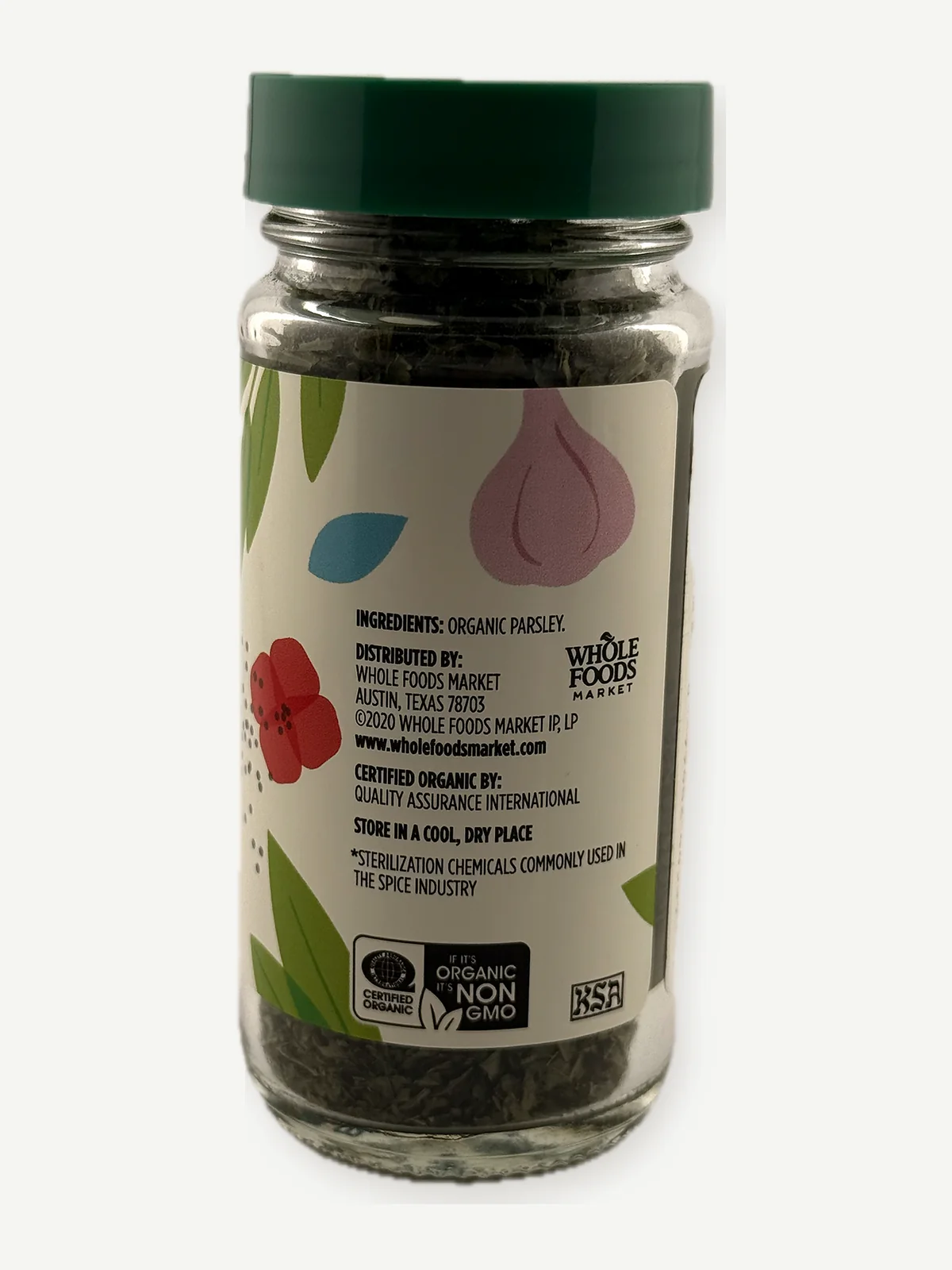
Dried parsley is quieter than oregano. Its role is visual freshness and a green, grassy supporting note. Very bright parsley can look attractive while contributing little aroma; very fine parsley can turn muddy once wet. We want distinct flakes that remain visible after blooming.
3. Granules are not garlic powder
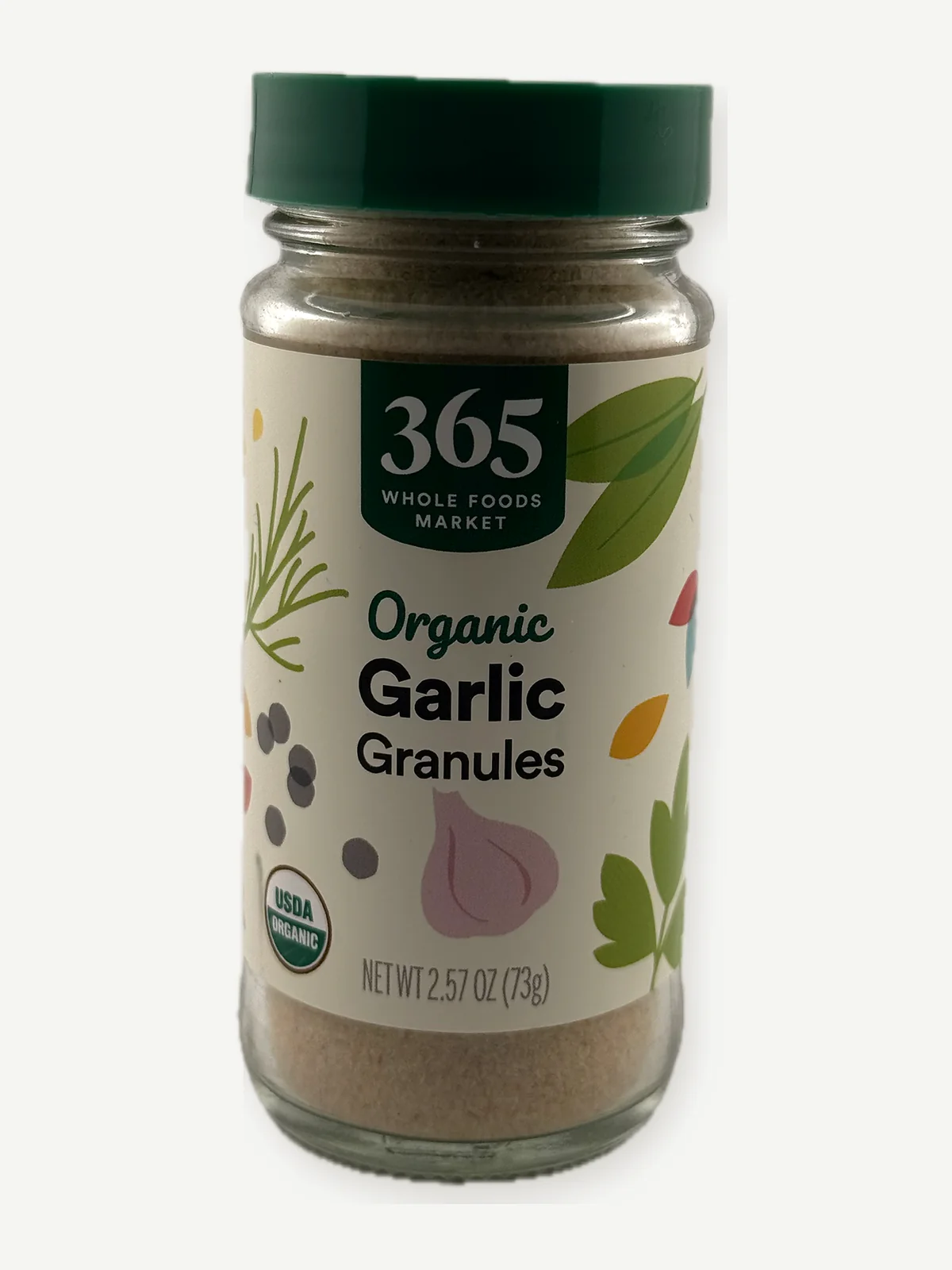
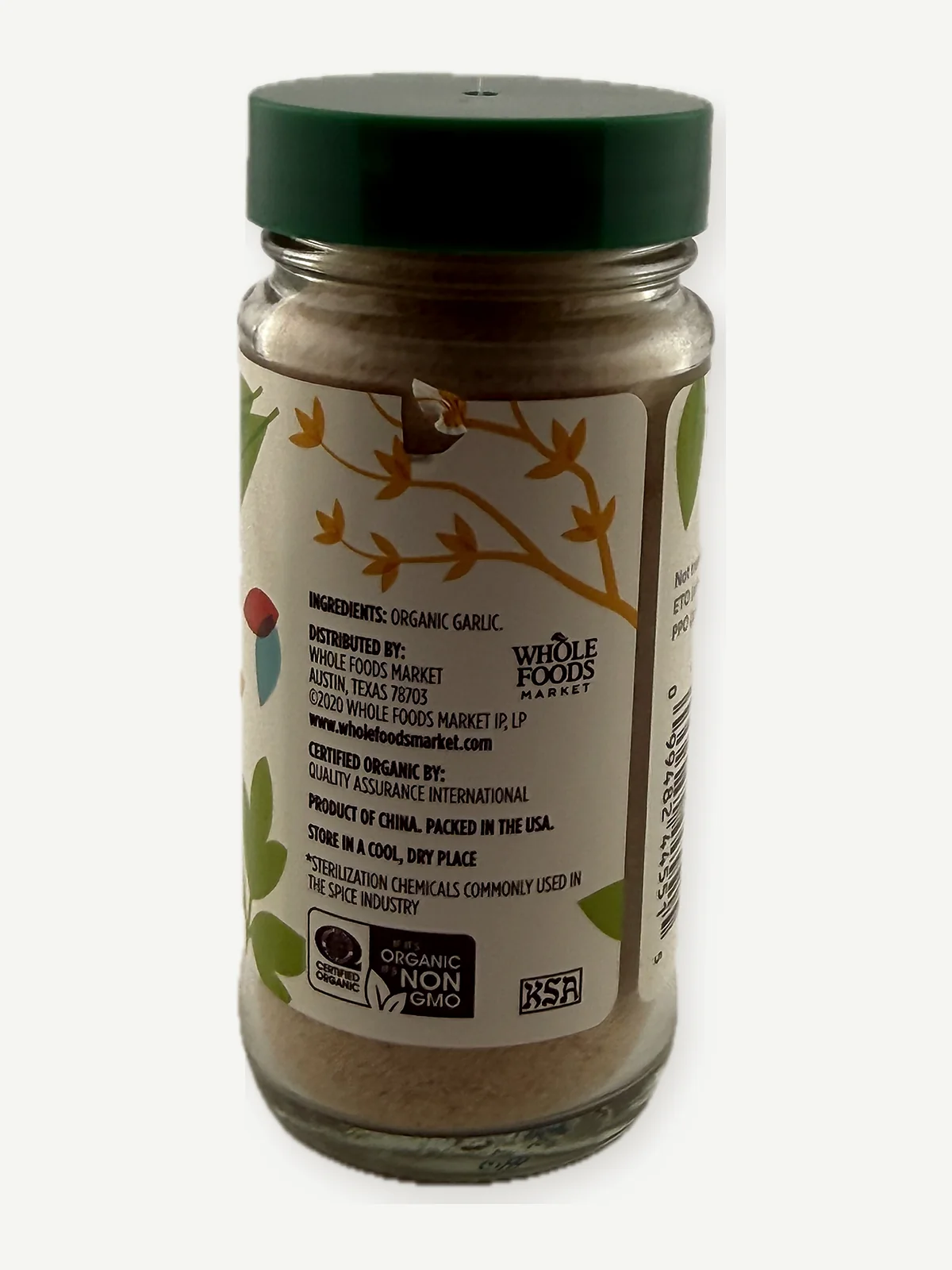
Granulated garlic stays physically separate in a coarse herb blend and hydrates more gradually than powder. That matters. Powder can make the dry mix dusty and can thicken the liquid around it; granules preserve a more open texture and give the garlic a visible place in the blend.
4. Crushed chile should remain visible
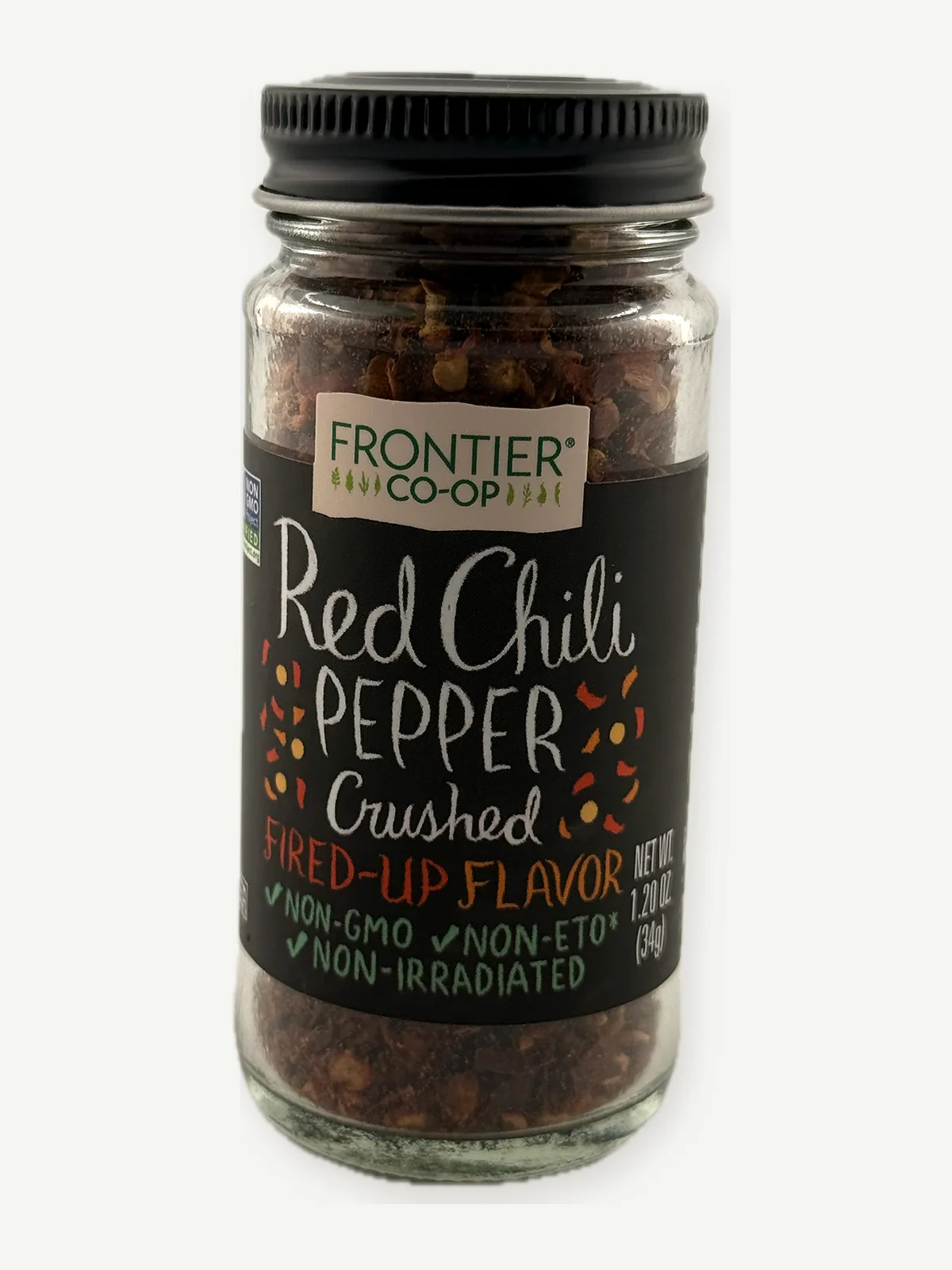
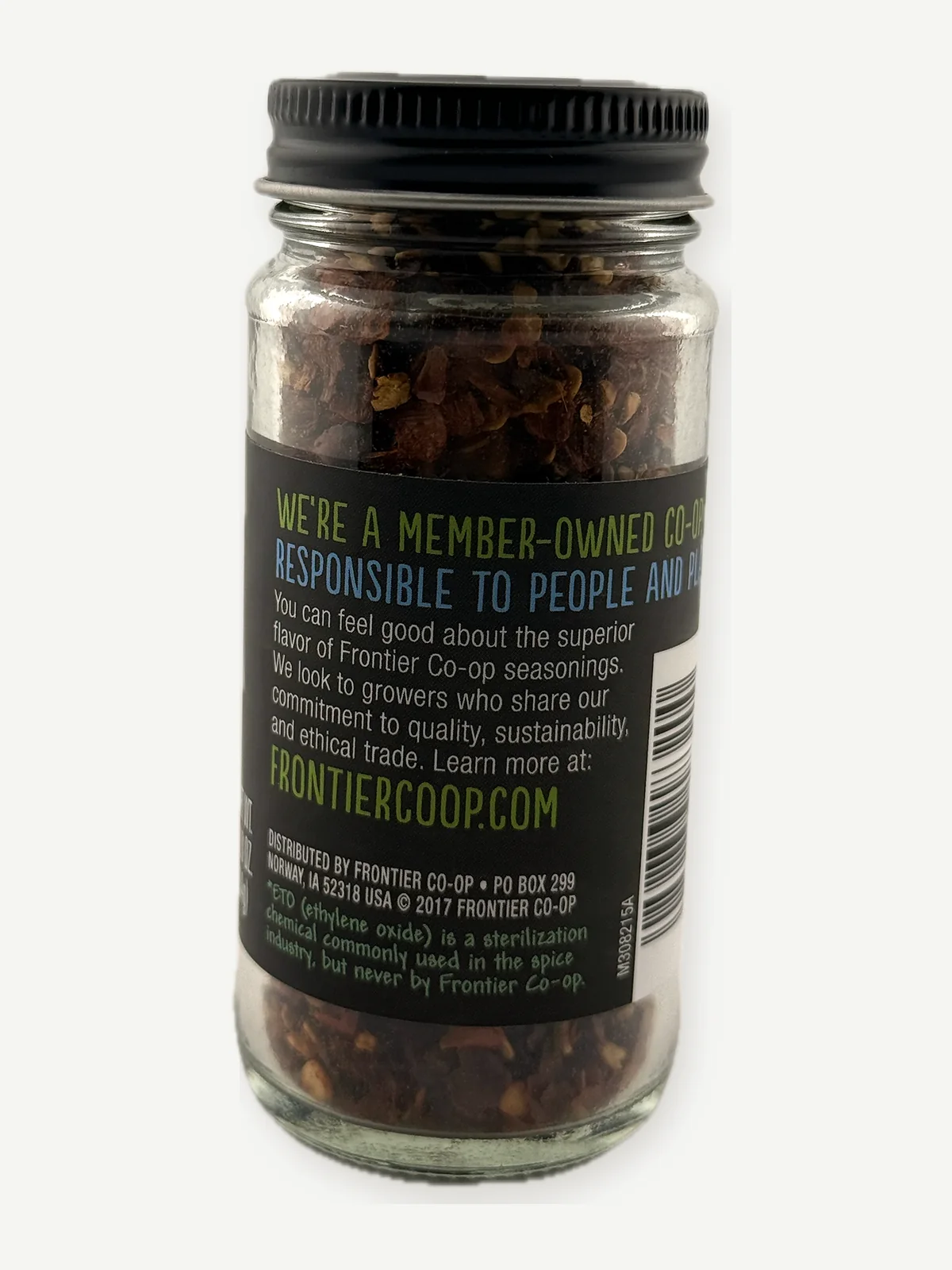
Crushed red chile contributes warmth and scattered brick-red colour. Coarse flakes and seeds make the heat legible before tasting. The goal is restraint: enough chile to register, not enough to turn chimichurri into a generic hot seasoning.
What we are looking for
| Ingredient | Job in the blend | What to inspect | Common failure |
|---|---|---|---|
| Oregano | Aromatic lead | Leaf cut, stems, aroma | Powdery or woody |
| Parsley | Colour and fresh-herb support | Flake integrity, colour after hydration | Bright but flavourless; muddy when wet |
| Garlic granules | Savoury depth | Granule size, even hydration | Dusty texture or harsh raw note |
| Crushed chile | Warmth and red contrast | Flakes, seeds, heat distribution | Fine powder or dominant heat |
What we still do not know
These photographs do not answer the formulation questions that matter most: which salt crystal should carry the herbs, how much of the jar should be salt, how each ingredient behaves at equal weight rather than equal volume, and how the finished blend performs on food.
Dry comparison
Weigh equal samples, record particle size and compare the proportion of leaf, stem, granule, flake and seed.
Hydration
Bloom each herb in warm water and observe colour, aroma, swelling and sediment before oil is added.
Salt integration
Test fine and larger crystals to see whether the herbs distribute evenly or separate in the jar.
Food test
Taste candidate blends on bread, potatoes and steak. A blend has to work on food, not only look persuasive in a bowl.
Those tests have not been completed yet. We will add measurements and results when they exist rather than turning a purchase into a conclusion.
The practical distinction
Traditional chimichurri is a coarse sauce of herbs, garlic, chile, vinegar and oil. A dry chimichurri blend supplies the dry aromatics. A chimichurri salt adds salt as a major ingredient and must be judged as seasoning, not simply as a sauce mix.