
Three First Fills: Fine Salt, Flakes and Chimichurri Salt
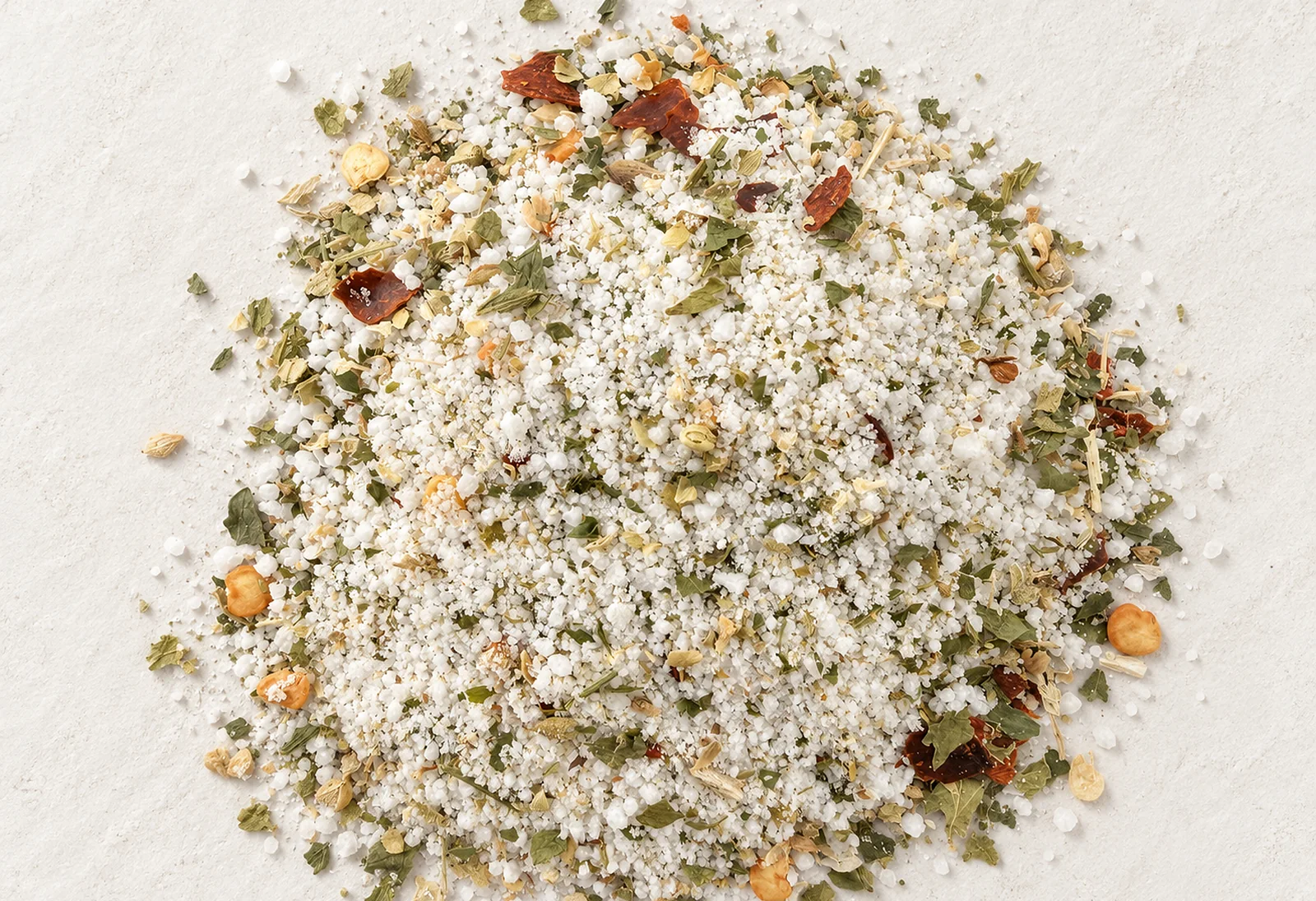
Three proposed jars, three physical fills, and one useful correction: container names do not determine net weight. We filled Fine Salt, Salt Flakes and the first Sal de Chimichurri test blend, weighed what we could, photographed the material and kept the unfinished parts visible.
Status
These are development records, not production certificates. The labels shown are temporary. Fine Salt has a measured fill; the flakes still need a confirmed empty-and-full weight pair; Chimichurri Salt has been mixed and photographed, with tasting still pending.
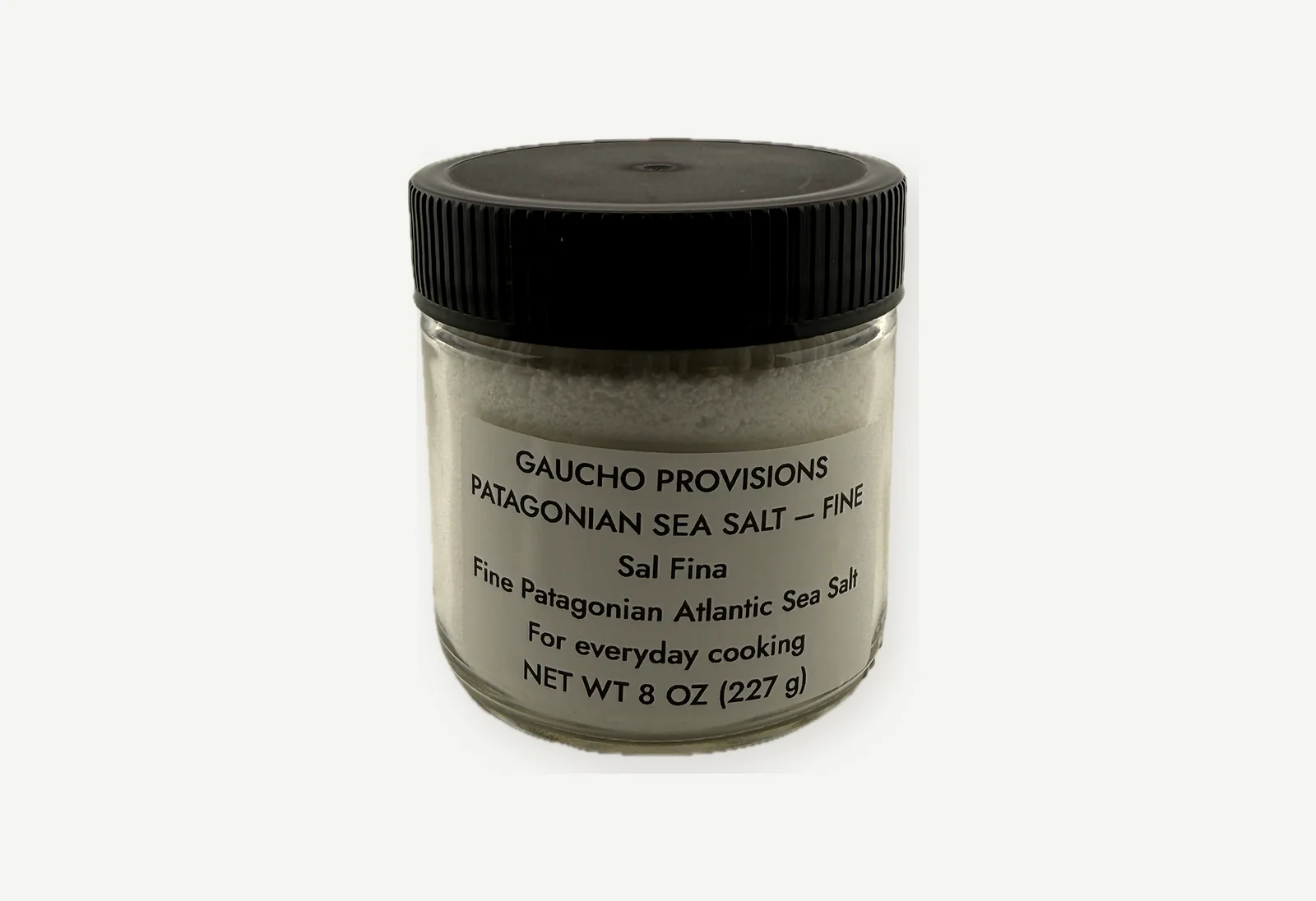
1. Fine Salt: the eight-ounce jar actually held eight ounces
The filled jar with its cap weighed 390 g. The empty jar with the same cap weighed 162 g. Subtraction gives 228 g of salt, or 8.04 oz. That supports a declared net weight of 8 oz (227 g) for this particular fill.
2. Salt Flakes: volume moved faster than weight
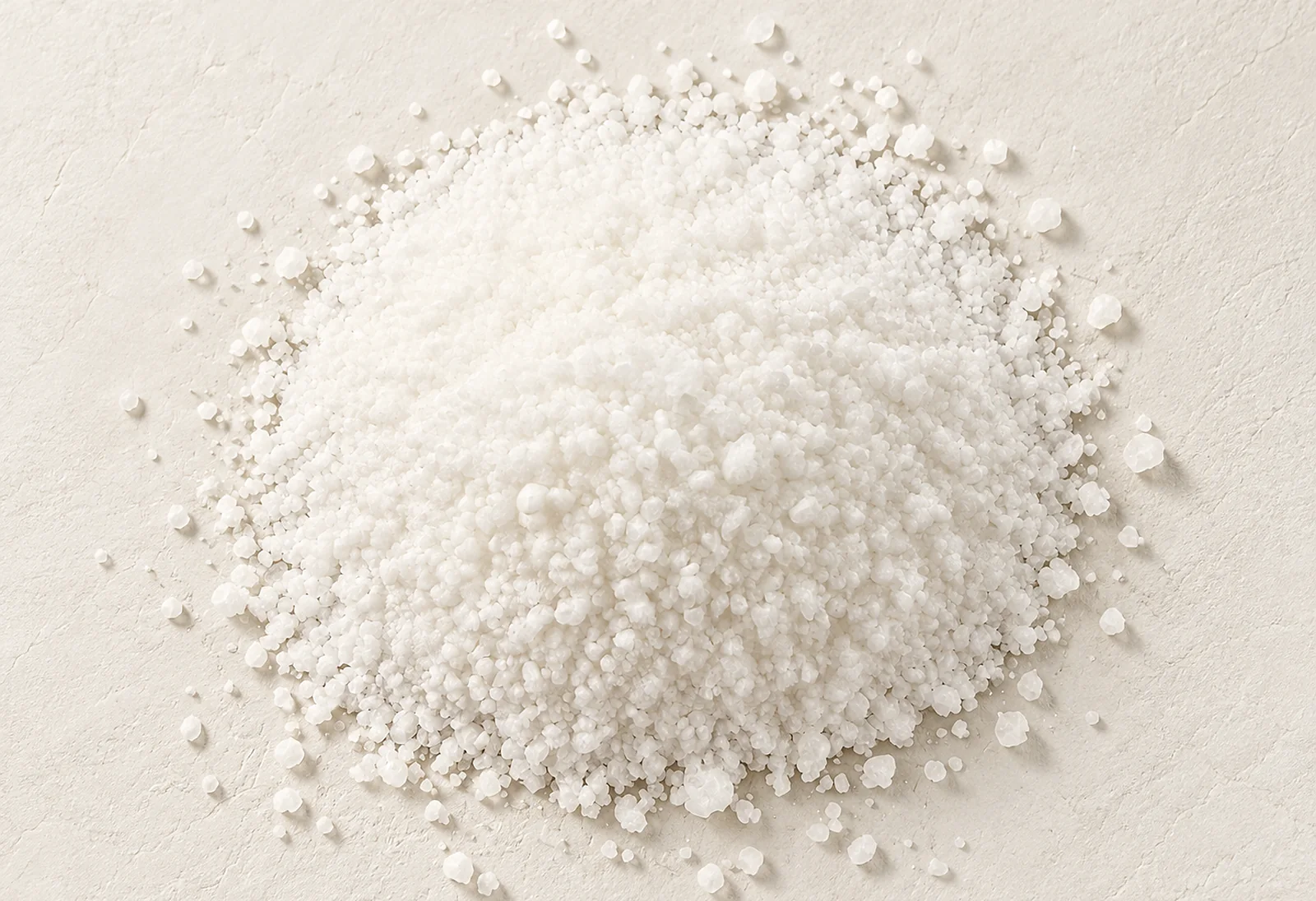
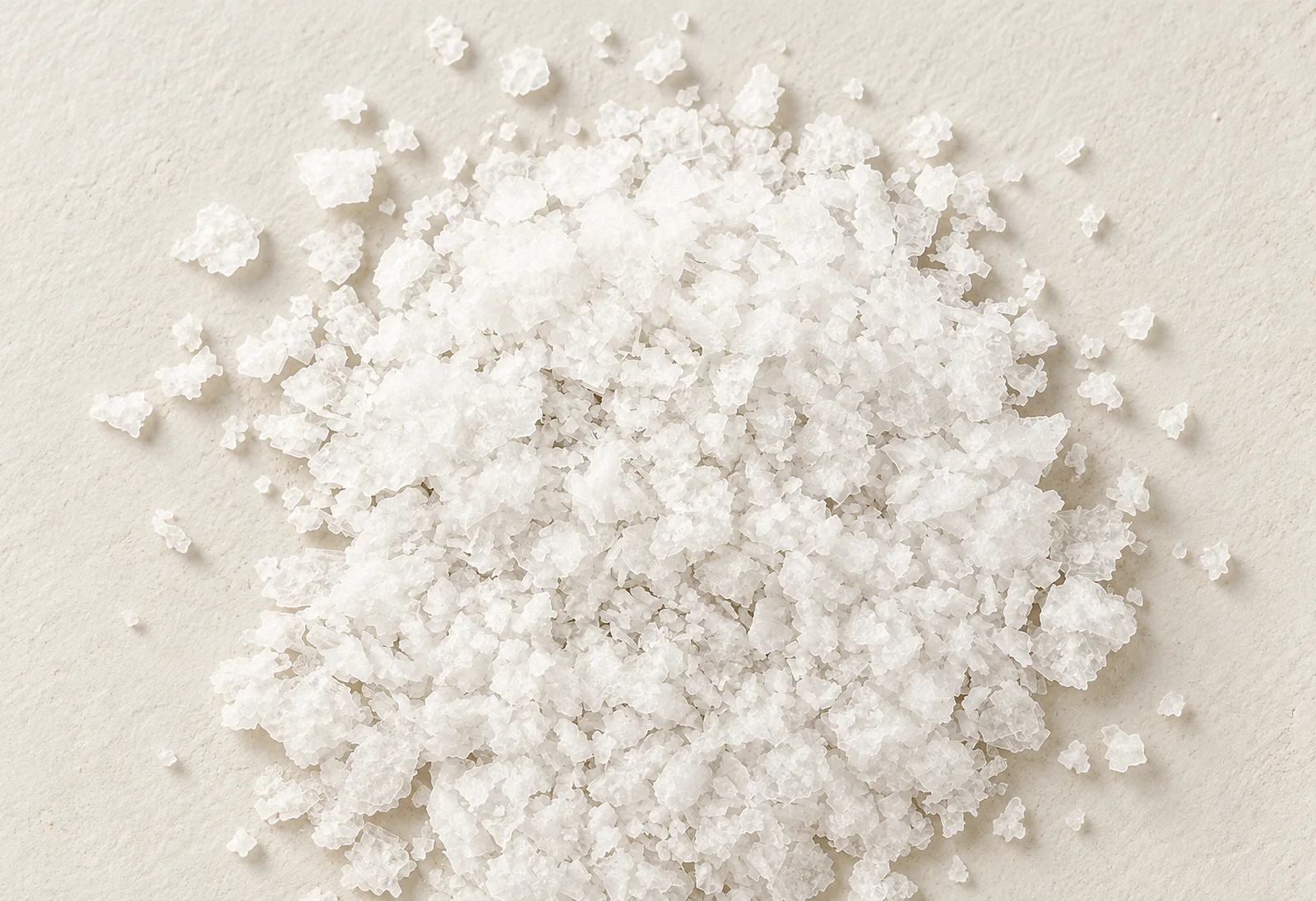
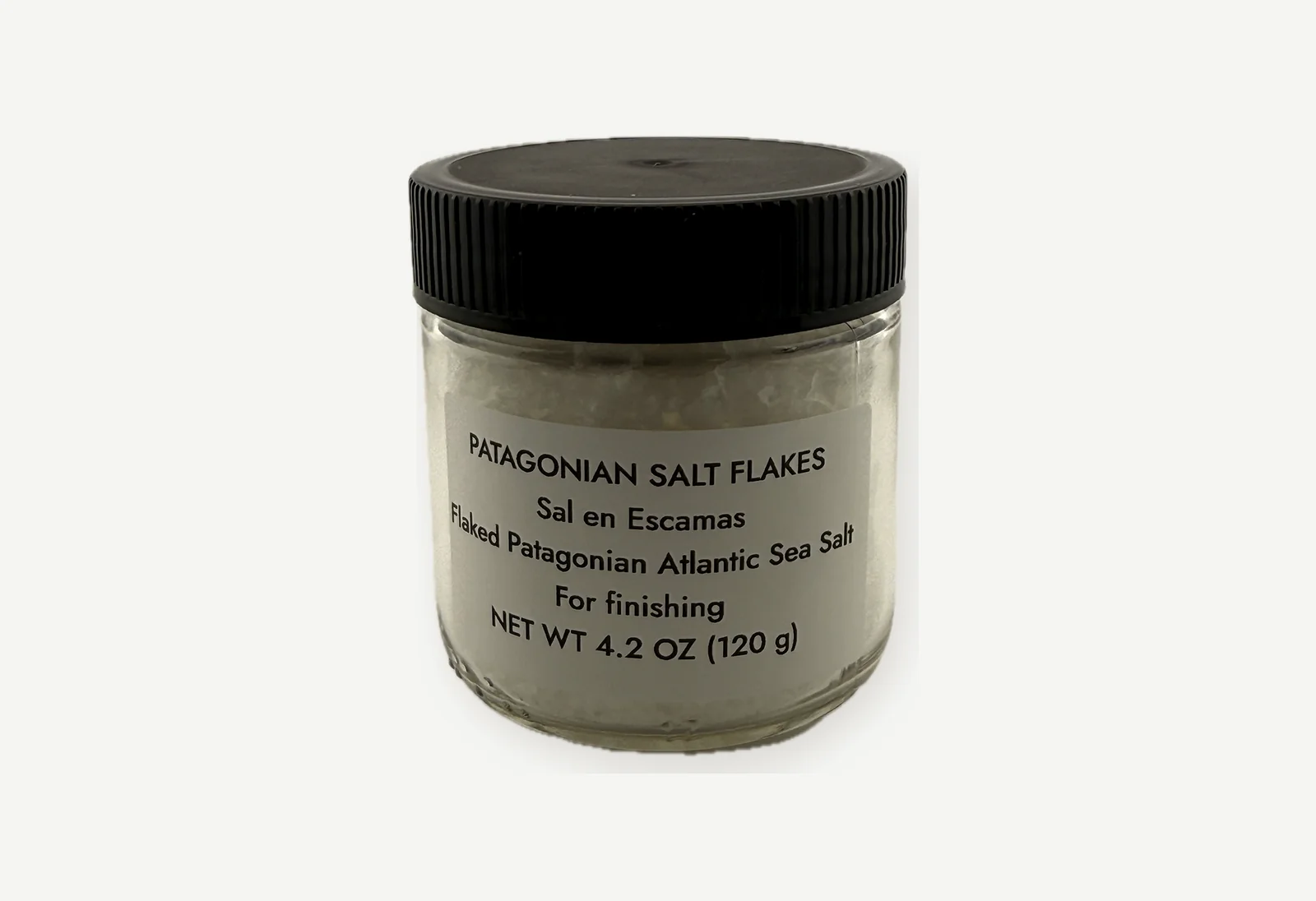
The flakes occupy the jar with much less mass than fine salt because thin plates trap air between them. The working label says 4.2 oz (120 g), while the sellable listing remains conservatively at 4 oz (115 g) until an empty-and-full jar measurement confirms the production fill.
3. Chimichurri Salt: the first 150-gram formula
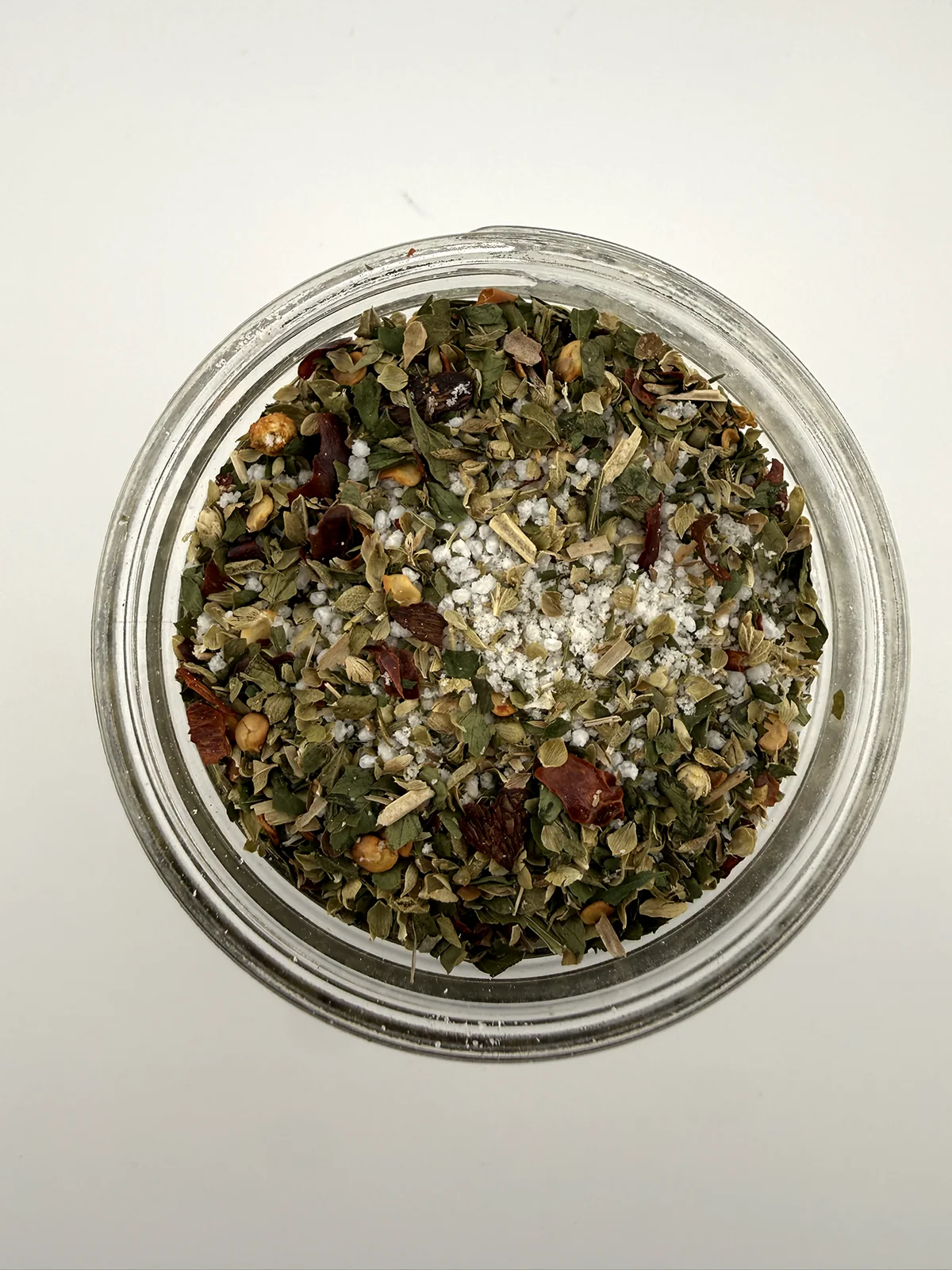
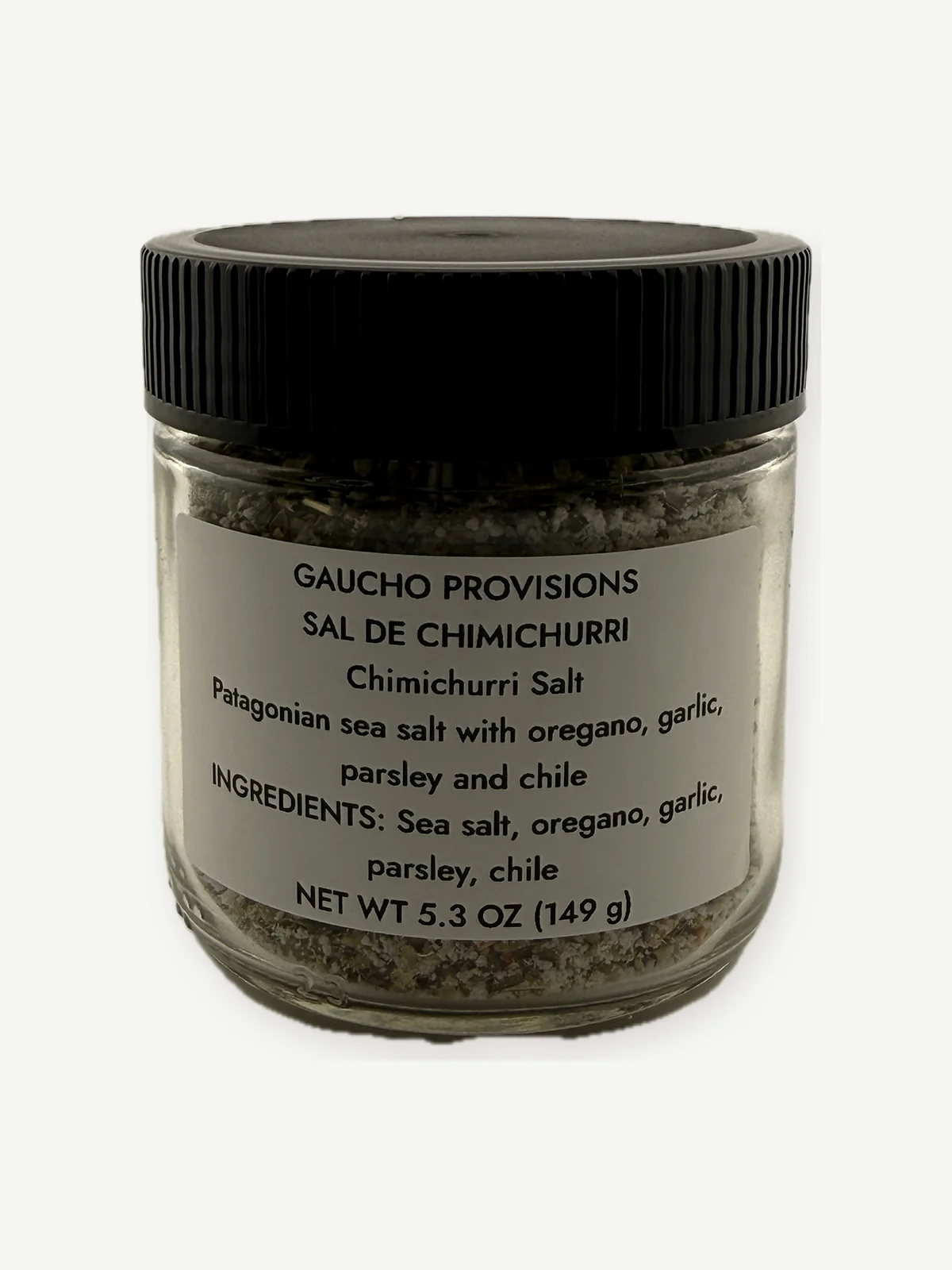
The first test was mixed by weight: 135 g fine Patagonian sea salt, 6 g dried oregano, 3 g dried parsley, 4.5 g granulated garlic and 1.5 g crushed red chile. The target was 150 g. The filled working jar was labelled at 149 g (5.3 oz).
| Ingredient | Weight | Share |
|---|---|---|
| Fine sea salt | 135 g | 90% |
| Oregano | 6 g | 4% |
| Granulated garlic | 4.5 g | 3% |
| Parsley | 3 g | 2% |
| Crushed chile | 1.5 g | 1% |
What the photographs already tell us
The blend reads clearly as chimichurri, with oregano leading and red chile visible. It also separates: dense fine salt settles while larger, lighter herb pieces rise. A pinch from the top may not match one from the bottom. That is a formulation problem to measure, not something photography should conceal.
The next test is to taste from both levels after shaking, then reduce oversized stems and chile pieces to roughly 1–3 mm without turning the herbs into powder. The percentages should stay fixed for that comparison so particle size is the only deliberate change.
Tasting notes will be added after the first food test. Until then, this is Batch 1: mixed, weighed and observed, not approved.
Continue the record
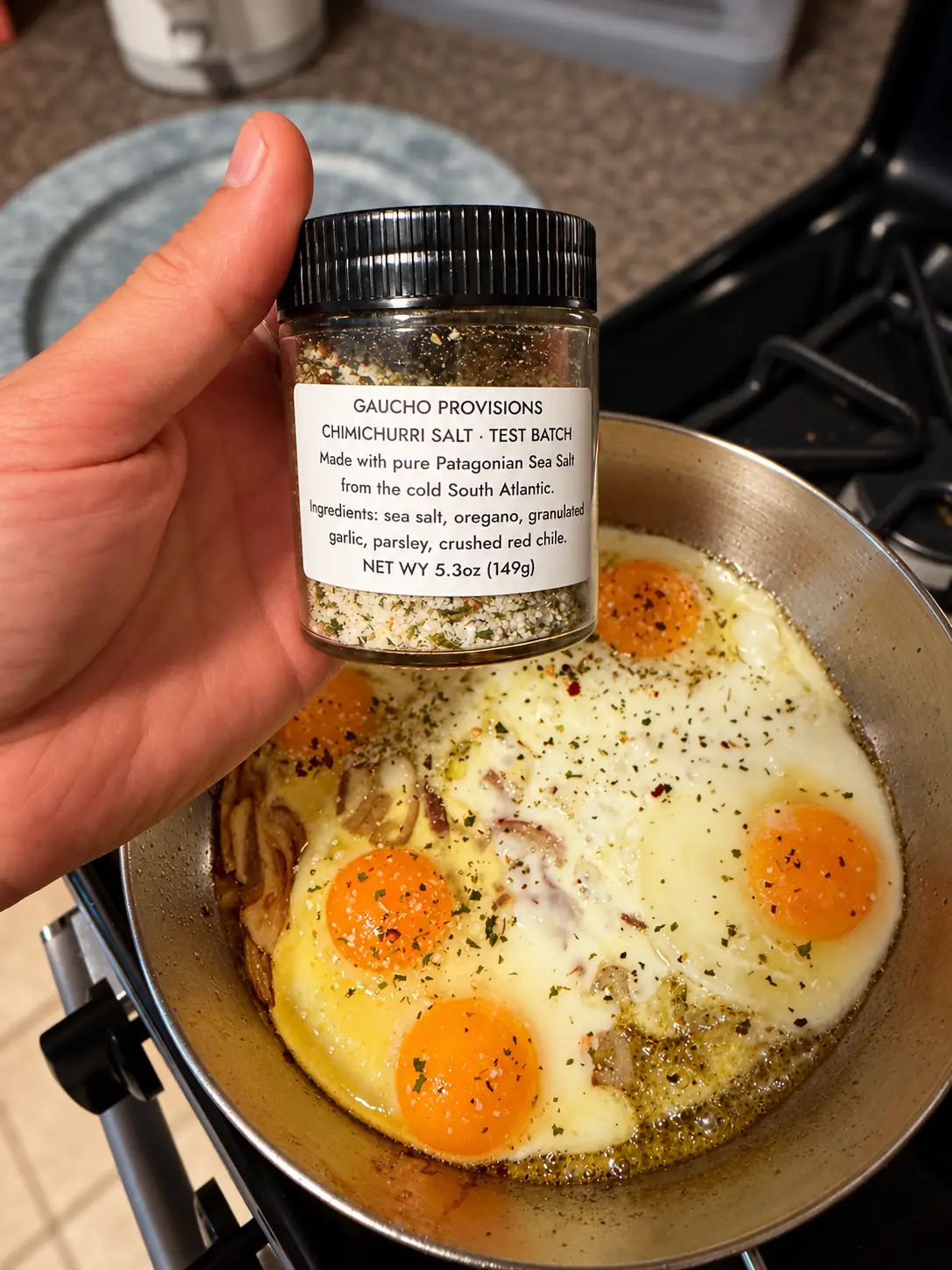
Testing Chimichurri Salt on Eggs
A kitchen note from Gaucho: our Chimichurri Salt test batch, a pan of eggs, and seasoning work in progress.
Read the article →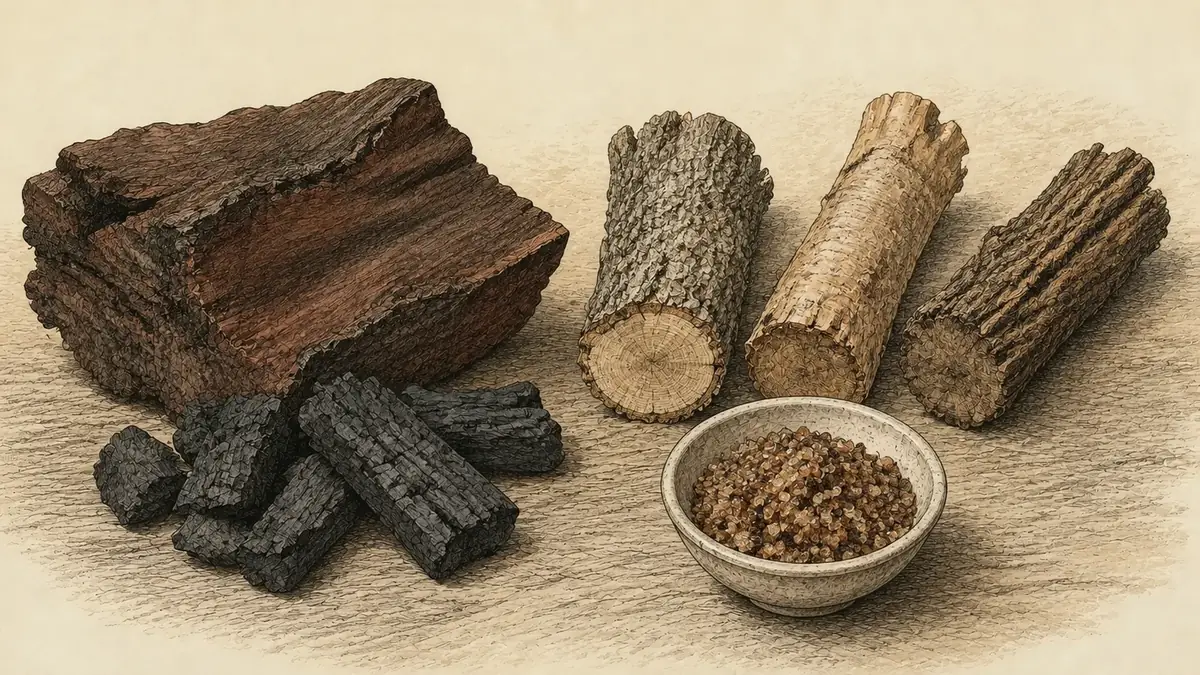
Why Our Smoked Salt Isn't Quebracho
Quebracho is the most romantic wood in Argentina, which is exactly why we will not claim it. We are developing a smoked salt, and the wood it names will not be quebracho.
Read the article →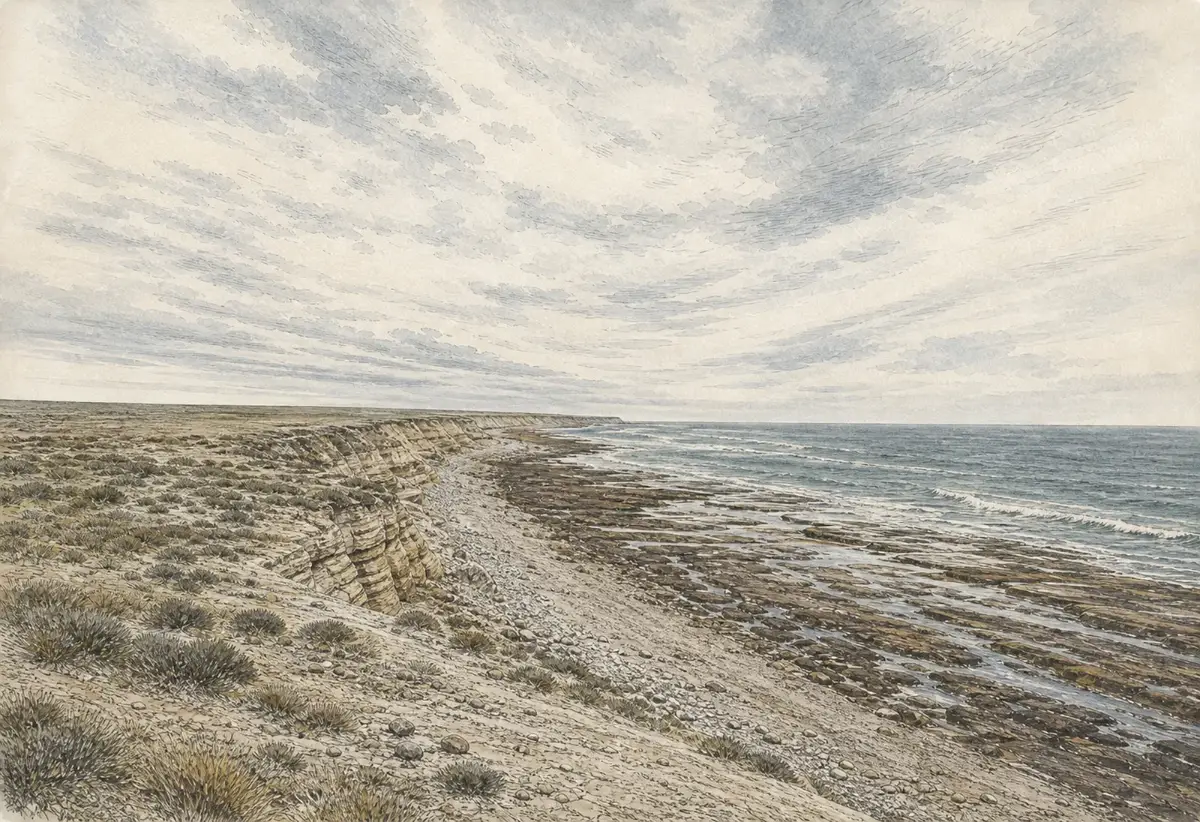
Why There Are No Mountains in Our Salt Photographs
Patagonia is sold as one picture. Our salt comes from a part of it that is 600 kilometres from the nearest mountain, and looks like nothing you have been shown.
Read the article →Get the next guide
An email when we publish a new salt guide or recipe, and first word when the Patagonian salts are ready to order.
We write when there is something to say, not on a schedule.