
How Much Salt Should Go in Pasta Water?
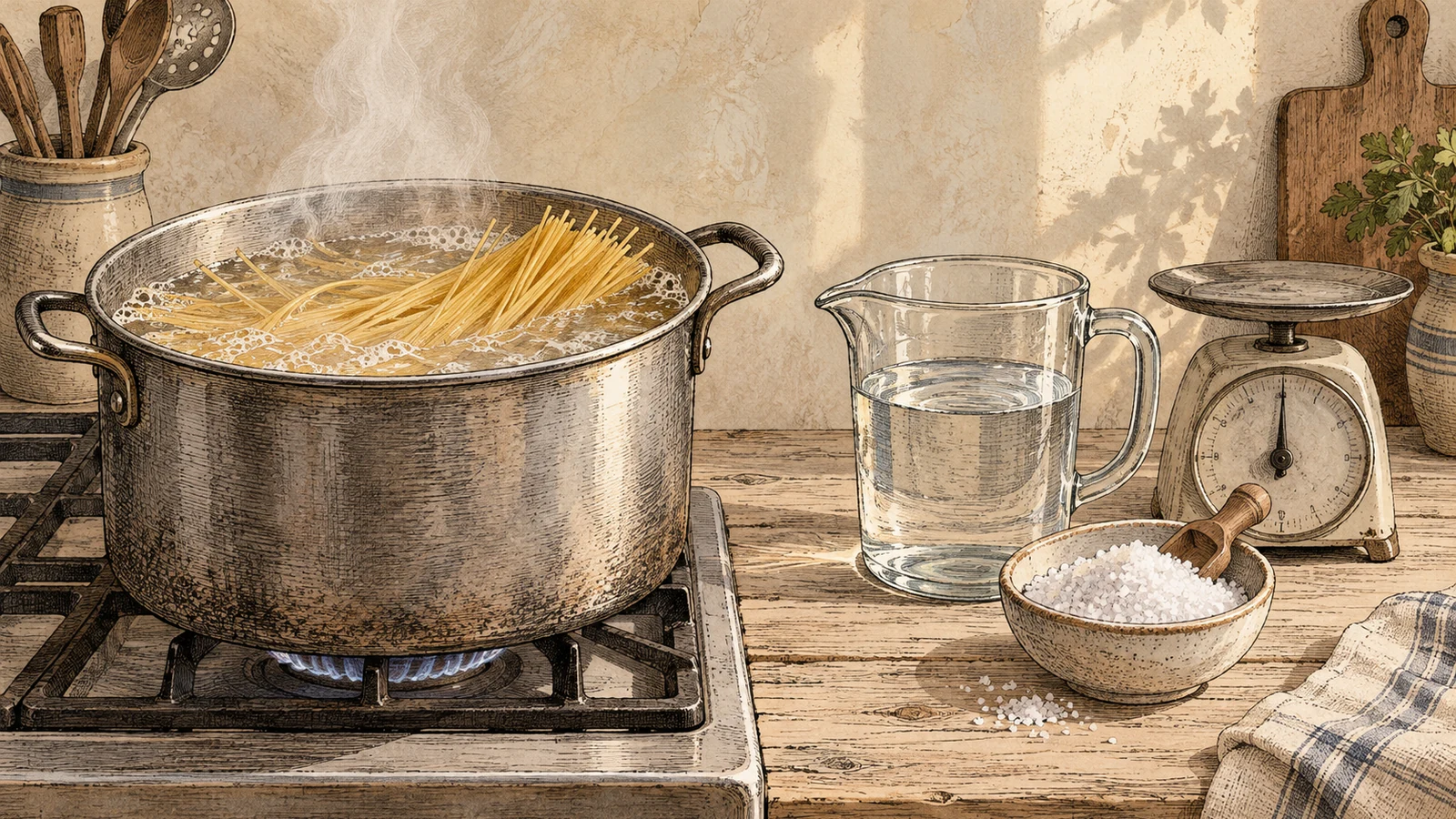
For everyday pasta, begin with about 10 grams of salt per litre of water: a 1% solution. That is a useful starting point, not a law. Use less when the sauce is already salty or when you plan to reduce a large amount of the cooking water into it.
Do not make it as salty as the sea
Open-ocean seawater is roughly 3.5% salt. At that concentration, a litre of water would contain about 35 grams of salt. That is not a sensible model for a pot of pasta.
A practical home range is closer to 0.5% to 1%: 5 to 10 grams per litre. The lower end leaves more room for pecorino, cured meat, olives or a salty pan sauce. The upper end seasons a simply dressed pasta more assertively.
| Water | 0.5% salt | 1% salt |
|---|---|---|
| 1 litre | 5 g | 10 g |
| 2 litres | 10 g | 20 g |
| 4 litres | 20 g | 40 g |
What does the pasta actually absorb?
Not all the salt in the pot ends up in the food. Most leaves with the drained water. But pasta does take up sodium, and the amount rises as the cooking water becomes saltier.
A Virginia Tech and USDA study cooked pasta under several conditions and found less than 5 milligrams of sodium in a 140-gram serving cooked without salt, compared with 247 to 490 milligrams when cooked in salted water. The researchers also found that pasta shape, cooking time and the ratio of water to pasta changed the result. The useful conclusion is not one magic dose. It is that concentration and method both matter.
Weigh the salt, not the spoon
A tablespoon is not a stable unit across salts. Fine grains pack tightly; larger kosher crystals and hollow flakes leave more air in the spoon. Ten grams is ten grams regardless of crystal geometry.
If you do not have a scale, check the serving size on your salt label and calculate from that product. Do not carry a spoon conversion from one brand or grain into another and assume the mass stayed the same.
Use less water on purpose
The old instruction to use an enormous pot is not necessary for most dried pasta. A smaller, well-stirred pot produces starchier cooking water, which can help a sauce emulsify. It also makes the arithmetic easier: two litres at 1% takes 20 grams of salt.
The tradeoff is attention. Pasta in less water needs room to move and a few good stirs near the beginning so the pieces do not stick together.
Adjust for the sauce
| Finish | Starting point | Reason |
|---|---|---|
| Tomato, butter or olive oil | About 1% | The pasta water supplies much of the seasoning. |
| Pecorino, anchovy, capers or cured meat | About 0.5% | The sauce brings its own salt. |
| Cooking water reduced into sauce | Start low | Reduction concentrates the salt as water evaporates. |
| Fresh pasta | Taste early | It cooks quickly and has less time to take up seasoned water. |
The cleanest habit is simple: weigh the water once, weigh the salt, and remember the result you liked. After that, pasta water stops being folklore and becomes a repeatable part of the recipe.
Keep reading
- Sea Salt vs. Table Salt — why weight matters more than the name
- Fine, Coarse and Flaky Salt — choose the right grain for the job
- How Much Salt Goes in Bread Dough? — another recipe that becomes clearer by percentage
The Salt Guide
We are recording the salts on the American shelf one jar at a time — label, panel, price paid, crystal on white. Browse the guide →
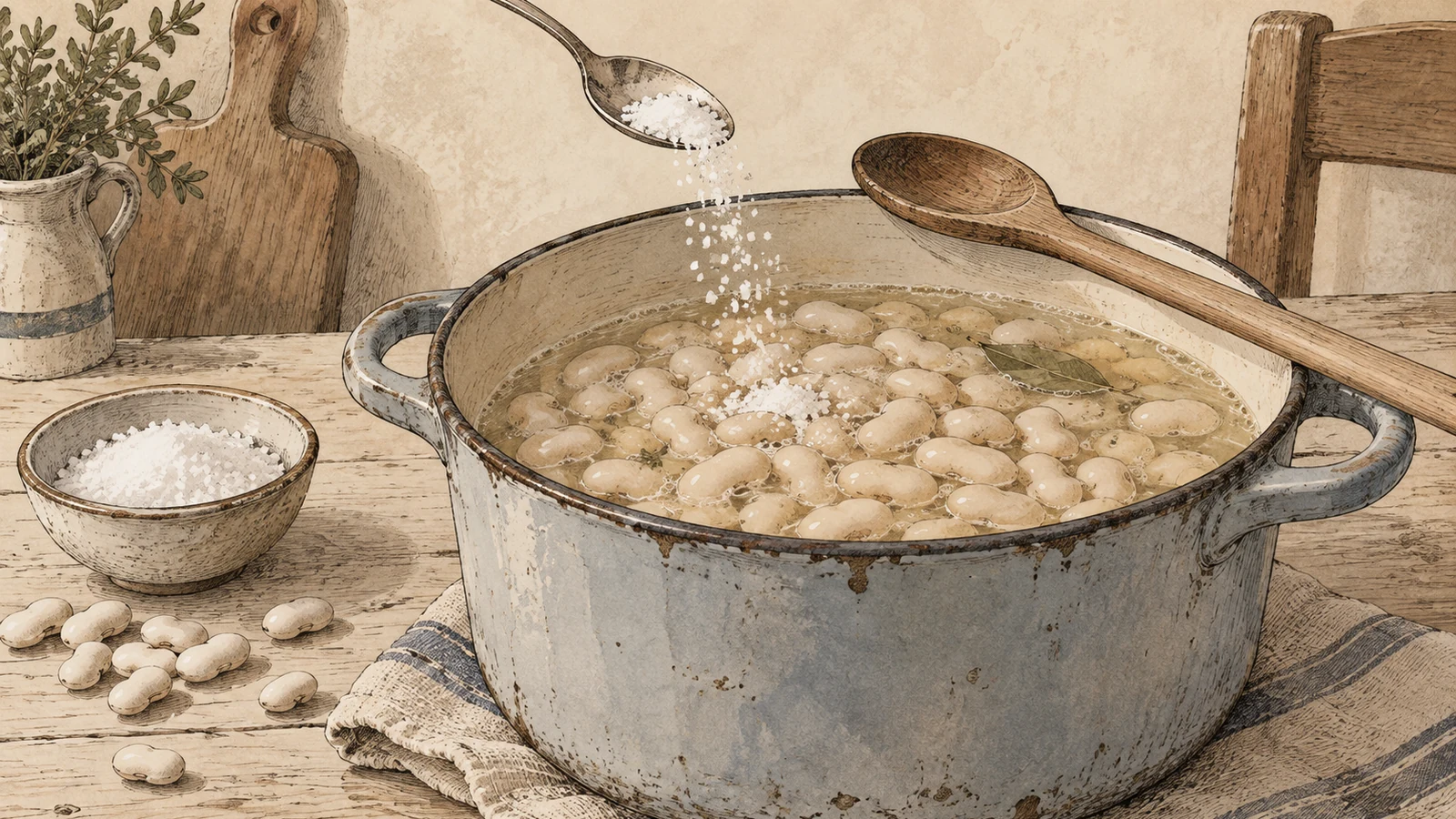
When Should You Salt Beans?
You do not have to wait until the beans are soft. Ordinary salt can go into the soak or the cooking water; bean age, acidity and calcium-rich water are more likely to explain a stubborn pot.
Read the article →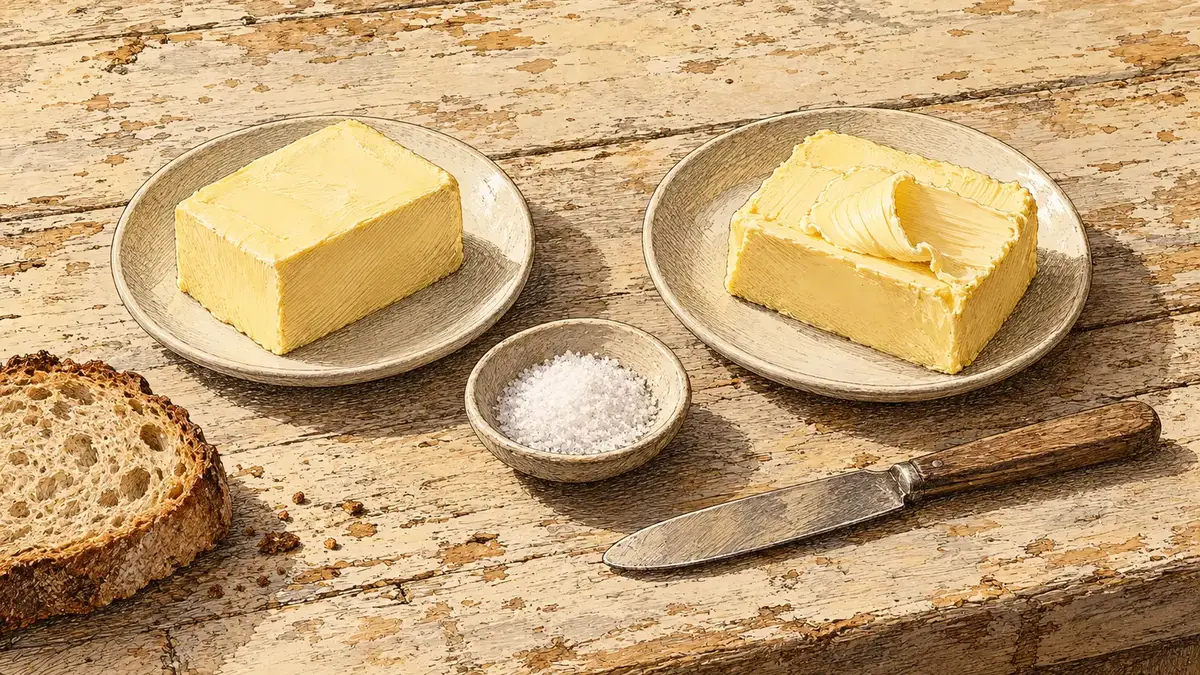
Salted vs. Unsalted Butter: How to Make the Swap
Keep the butter quantity. Adjust the salt. A practical guide to the quarter-teaspoon rule, its limits, and the other butter differences that affect a bake.
Read the article →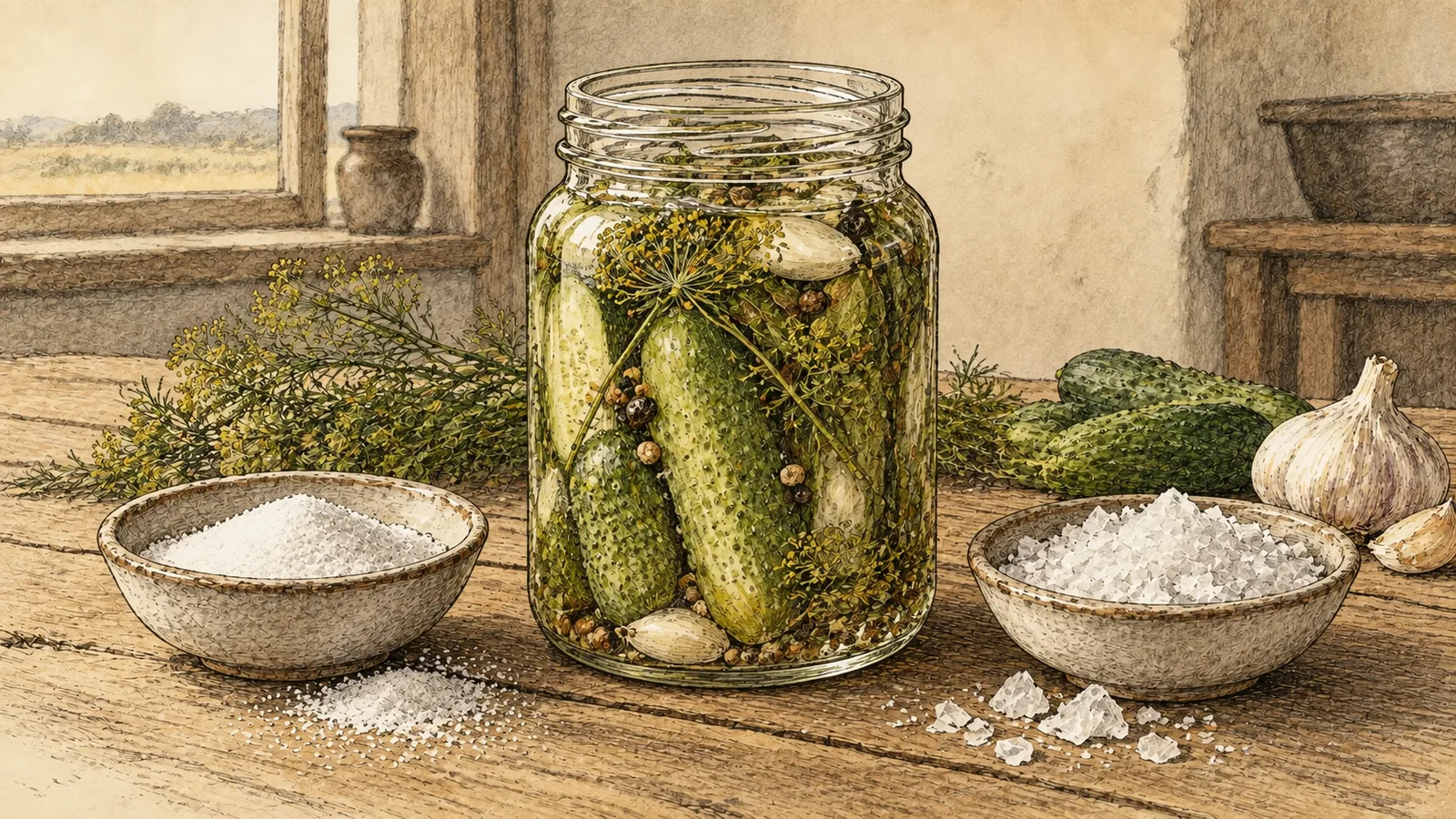
Pickling Salt vs. Kosher Salt: Can You Substitute?
Canning salt and pickling salt are the same fine, additive-free format. Kosher salt can work only when a tested recipe permits it and the amount is converted by weight, because flake density varies.
Read the article →Get the next guide
An email when we publish a new salt guide or recipe, and first word when the Patagonian salts are ready to order.
We write when there is something to say, not on a schedule.