
What Does Country of Origin Mean on a Salt Label?
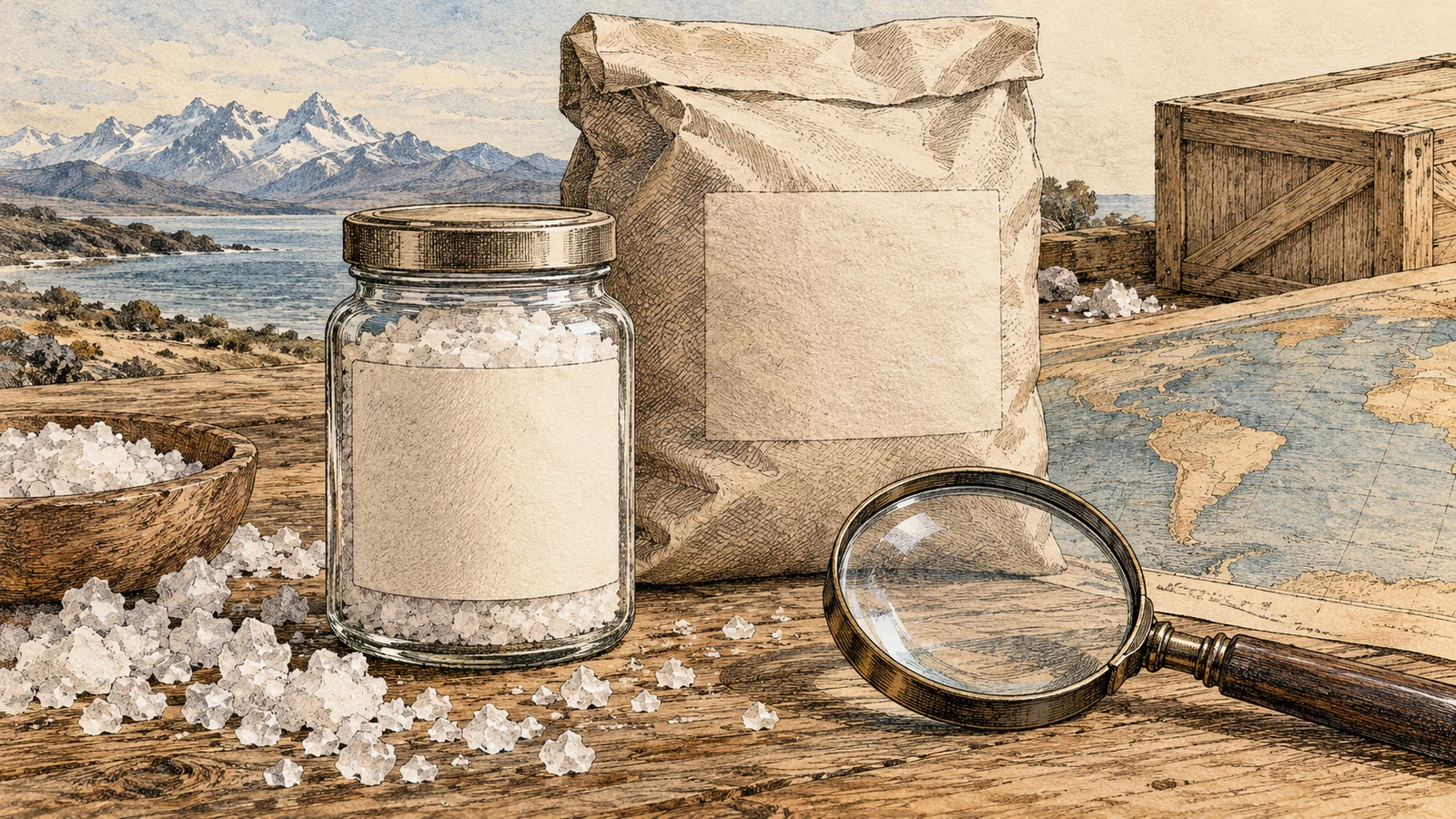
Country of origin identifies where an imported product comes from; it does not automatically identify the saltworks, the producer or the place where the package was filled. Those facts may appear elsewhere on the label, or they may not be disclosed at all.
Four statements that are easy to confuse
| Label statement | What it usually tells you |
|---|---|
| Product of [country] | A country-of-origin claim about the imported product. |
| Packed in [place] | Where the retail package was filled, not necessarily where the salt was produced. |
| Distributed by [company] | The business responsible for distribution; it may not have made the salt. |
| Company name and address | The manufacturer, packer or distributor identified on the US food label. |
Read the verbs. Made by, packed by and distributed by describe different roles. A brand name alone does not settle which role the named company performs.
Which agency covers what?
For foods imported into the United States, country-of-origin marking is administered under US Customs and Border Protection rules. FDA food-label rules separately cover matters such as the product name, ingredient list, Nutrition Facts and the name and address of the manufacturer, packer or distributor.
FDA does not preapprove ordinary food labels before products enter commerce. The responsibility remains with the business to make the label truthful and not misleading.
A practical reading order
- Find the explicit country statement. Do not infer origin from scenery, a flag-like color scheme or the brand's mailing address.
- Find the responsibility line and note whether it says manufactured, packed or distributed.
- Check the ingredient list. A blend can contain salt plus spices or anti-caking ingredients even when the front uses a broad category name.
- Look for a named saltworks or production locality. If neither appears, the package may not tell you exactly where the salt was made.
- Use the producer's current site or another primary source to confirm details that the package leaves open.
How the guides handle uncertainty
The Gaucho Salt Guide records package wording, producer roles and source dates rather than translating a distributor into a manufacturer or a country into a particular saltworks. Unknowns remain visible. Spices and composed seasonings are documented separately in the Spice & Seasoning Guide.
That may feel less tidy than a confident origin story, but it is more useful. A label can support only the claim that is actually printed and sourced.
Keep reading
- The Gaucho Salt Guide — see how individual packages document origin
- Sea Salt vs. Table Salt — what the category names do and do not tell you
- Salt Glossary — label and production terms in one place
The Salt Guide
We are recording the salts on the American shelf one jar at a time — label, panel, price paid, crystal on white. Browse the guide →
Anti-Caking Agents in Salt, Explained
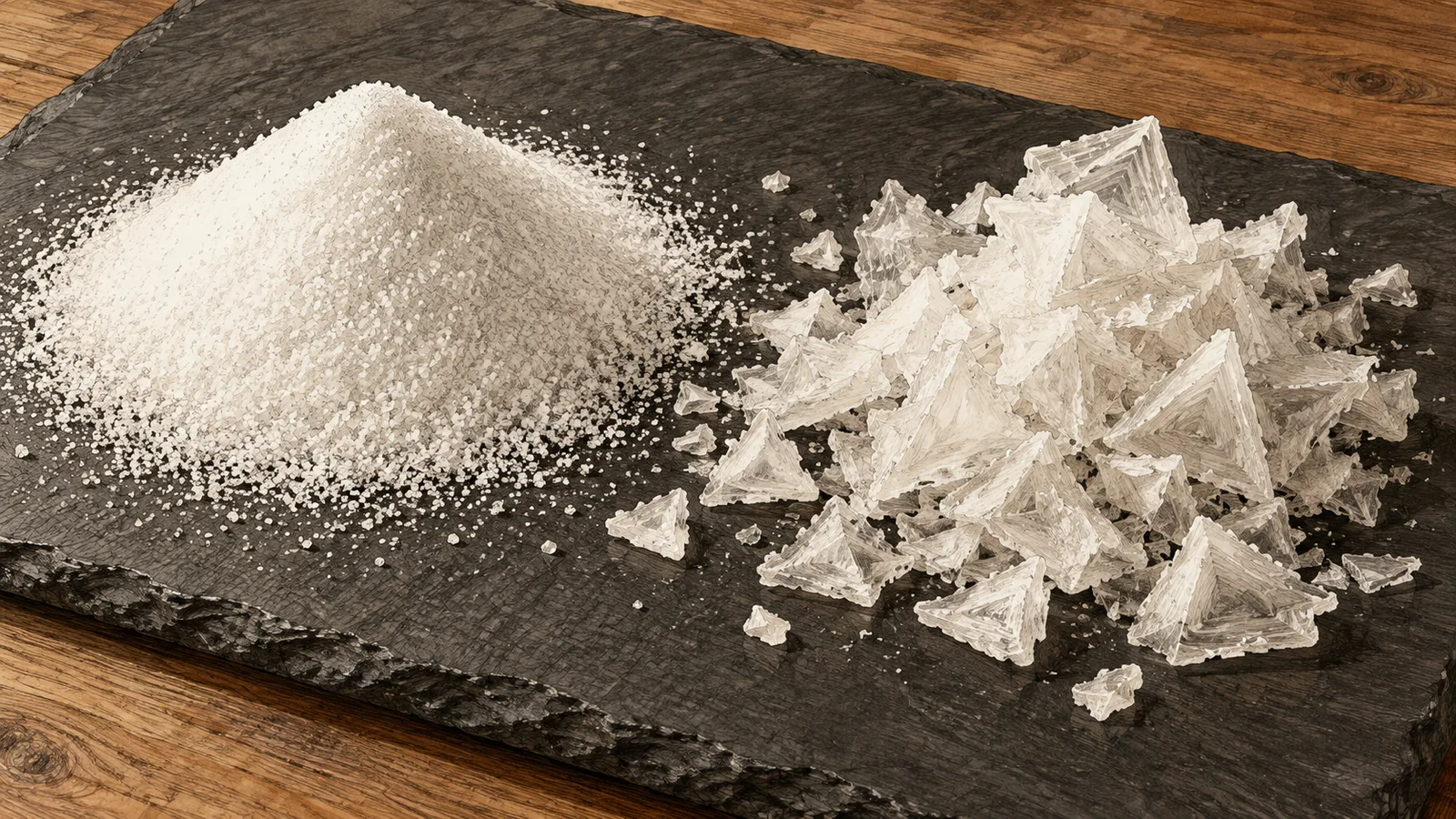
Morton added magnesium carbonate to table salt in 1911 so it would pour in the rain. The US now caps yellow prussiate of soda in salt at 13 parts per million. The flake salts we checked use none.
Read the article →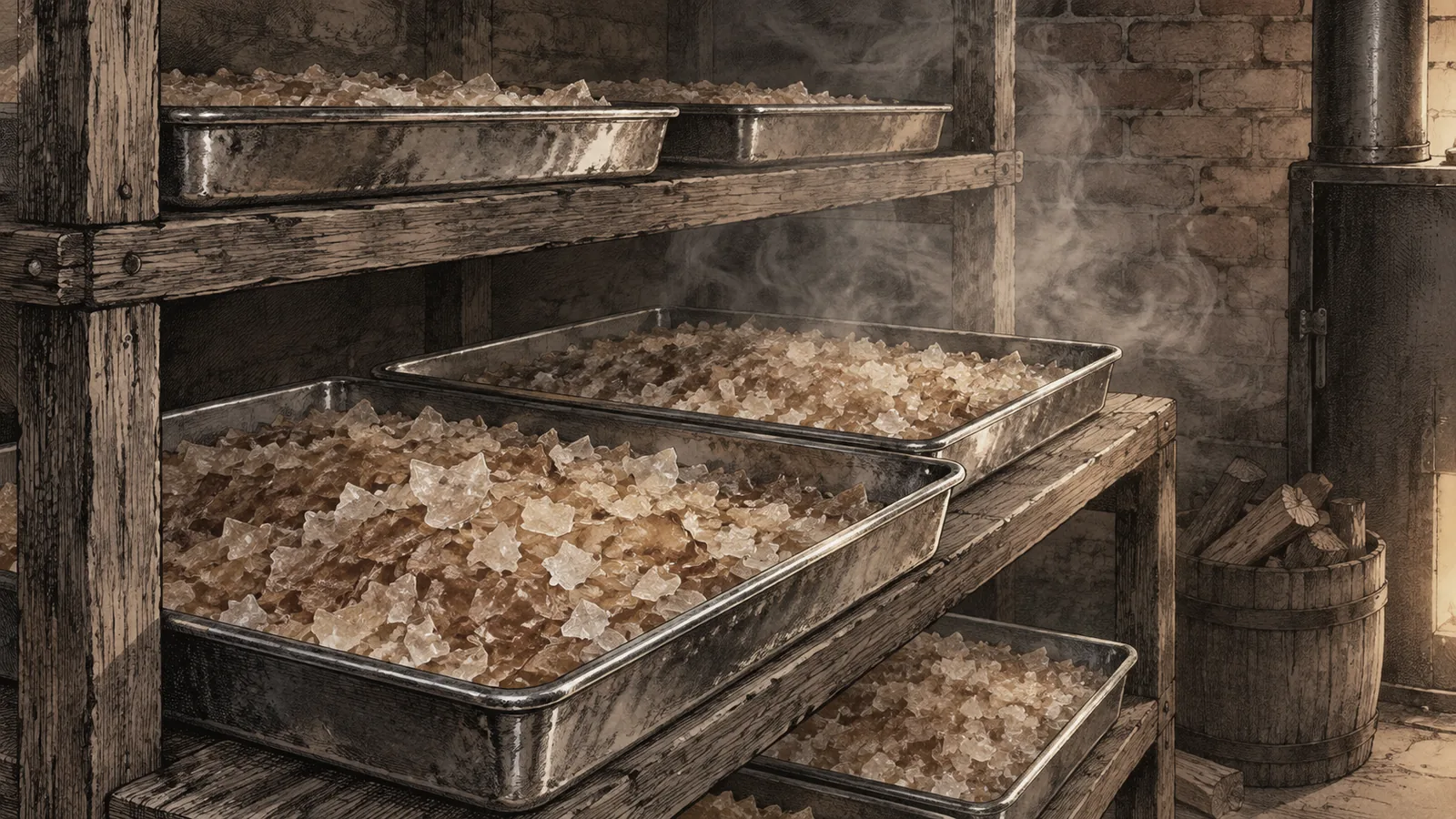
The EU Banned Smoke Flavourings. Here Is What That Means for Salt
Since 1 July 2026, no new smoke-flavoured salt can be placed on the EU market. None of the ten flavourings has come back, a court challenge is pending, and salt smoked over real wood was never covered.
Read the article →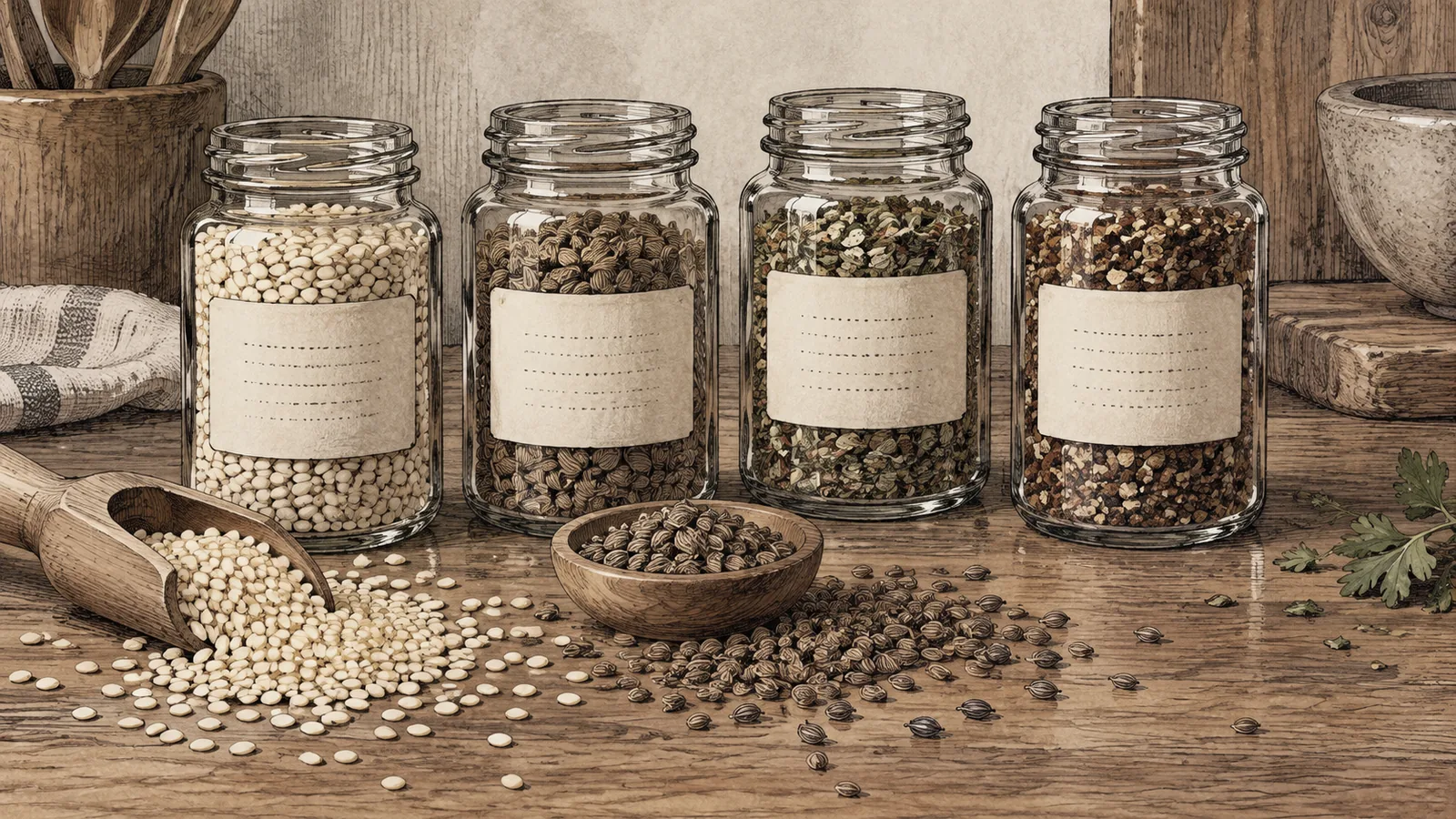
The Allergens Hiding in Salt Blends
On a US label, celery seed and mustard can sit unnamed inside the word spices. Sesame cannot, since 1 January 2023. And a may-contain warning is voluntary on both sides of the Atlantic.
Read the article →Get the next guide
An email when we publish a new salt guide or recipe, and first word when the Patagonian salts are ready to order.
We write when there is something to say, not on a schedule.