
Chimichurri vs Salsa Criolla: Two Sauces of the Asado
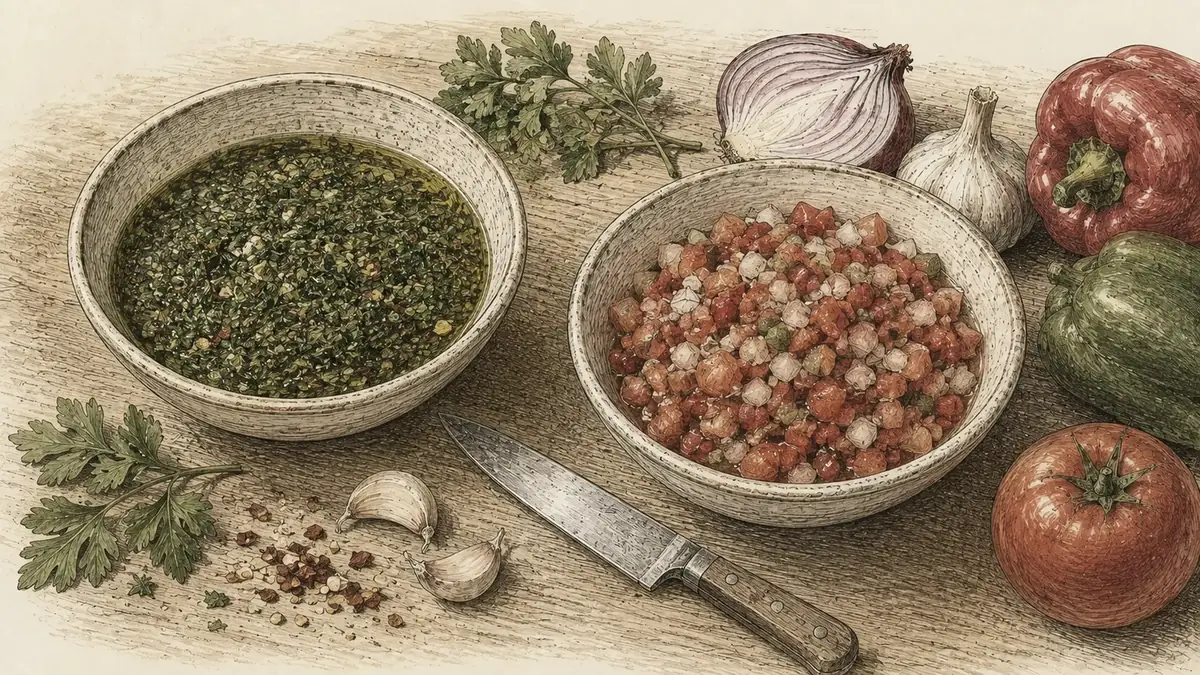
Chimichurri is a herb-and-oil sauce; salsa criolla is a chopped fresh-vegetable relish. Both are served cold with grilled meat, and they are not variations of each other. Chimichurri is built on parsley, garlic, oregano, vinegar and oil, often with chili flakes. Salsa criolla is diced tomato, onion and bell pepper dressed with vinegar and oil. They sit side by side at the same asado and do different jobs.
Chimichurri
Chimichurri is an emulsion of finely chopped herbs and aromatics in oil and vinegar. The common backbone is flat-leaf parsley, plenty of garlic, dried oregano, red wine vinegar, oil and a pinch of dried chili (ají molido). Beyond that, there is no single correct recipe. Proportions shift from one kitchen to the next, some add bell pepper or bay, and porteño parrillas each have their own version. What stays constant is the role: a sharp, garlicky, herbal cut against rich grilled beef.
Salsa criolla
Salsa criolla is a raw relish rather than a herb sauce. Tomato, onion and bell pepper are diced small and dressed with vinegar, oil and salt, sometimes with a little garlic. Despite the word salsa, it is closer to a cold, chunky pickle than a smooth sauce, which is why it is occasionally described as an aderezo. It is best made ahead and left to rest so the onion softens and the flavors settle.
How they are used
Both belong to the asado table, and plenty of people reach for both in one meal. Chimichurri is the reflexive partner for grilled cuts and for choripan, the chorizo sandwich. Salsa criolla turns up on sausages, on offal, spooned over potatoes, and on the same steaks; its fresh acidity does a similar job to chimichurri by a different route. Neither is cooked, and neither is complicated. The difference to remember is simple: chimichurri is herbs and oil, salsa criolla is chopped vegetables.
Making them
For chimichurri, chop everything fine, combine, and let it sit at least half an hour so the garlic and oregano bloom into the oil. For salsa criolla, dice evenly, dress, salt, and rest. Both keep for a few days refrigerated, and both improve after an hour. If you want a shortcut to the chimichurri flavor for a rub or a quick mix, a dry chimichurri blend gets you most of the way, but the fresh version is worth the ten minutes it takes.
Common questions
Chimichurri is a herb-and-oil sauce built on parsley, garlic, oregano and vinegar. Salsa criolla is a chopped fresh relish of tomato, onion and bell pepper in vinegar and oil.
No. Proportions vary by household and region. Parsley, garlic, oregano, vinegar, oil and chili flakes are the common backbone, but there is no single canonical version.
No. Both are served raw and cold at the table. Salsa criolla benefits from resting so the flavors marry, but neither is heated.
Both go with grilled beef. Chimichurri is the default for asado cuts and choripan; salsa criolla is also common on sausages, offal and potatoes.
Usually not. It is tangy and fresh rather than hot, though some versions add a little chili. Chimichurri more often carries chili heat.
Sources
The Salt Guide
We are recording the salts on the American shelf one jar at a time — label, panel, price paid, crystal on white. Browse the guide →

Celery Salt and the Chicago Hot Dog
Celery salt is salt and ground celery seed, not dried celery, and no maker publishes the ratio. It is the seventh and last topping on a Chicago dog, and the first ingredient in Old Bay.
Read the article →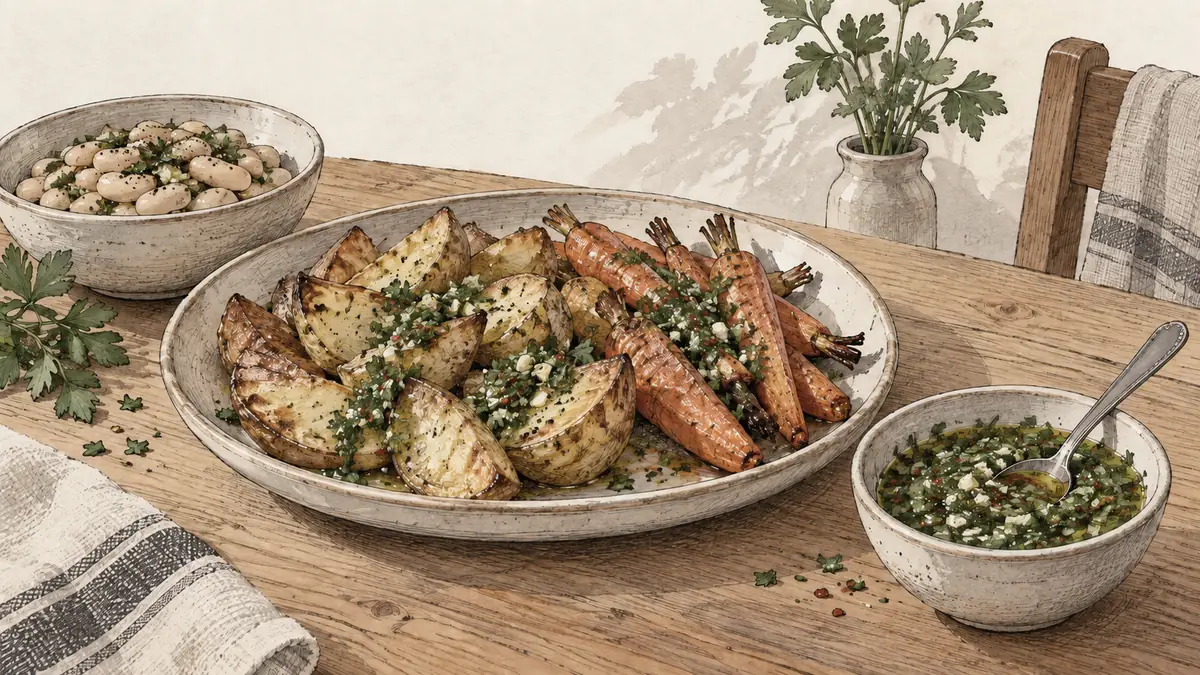
Chimichurri for Vegetables: When to Add It
Roasted potatoes, carrots and warm white beans. Three ways to bring chimichurri to the everyday table, with the sauce added after the heat.
Read the article →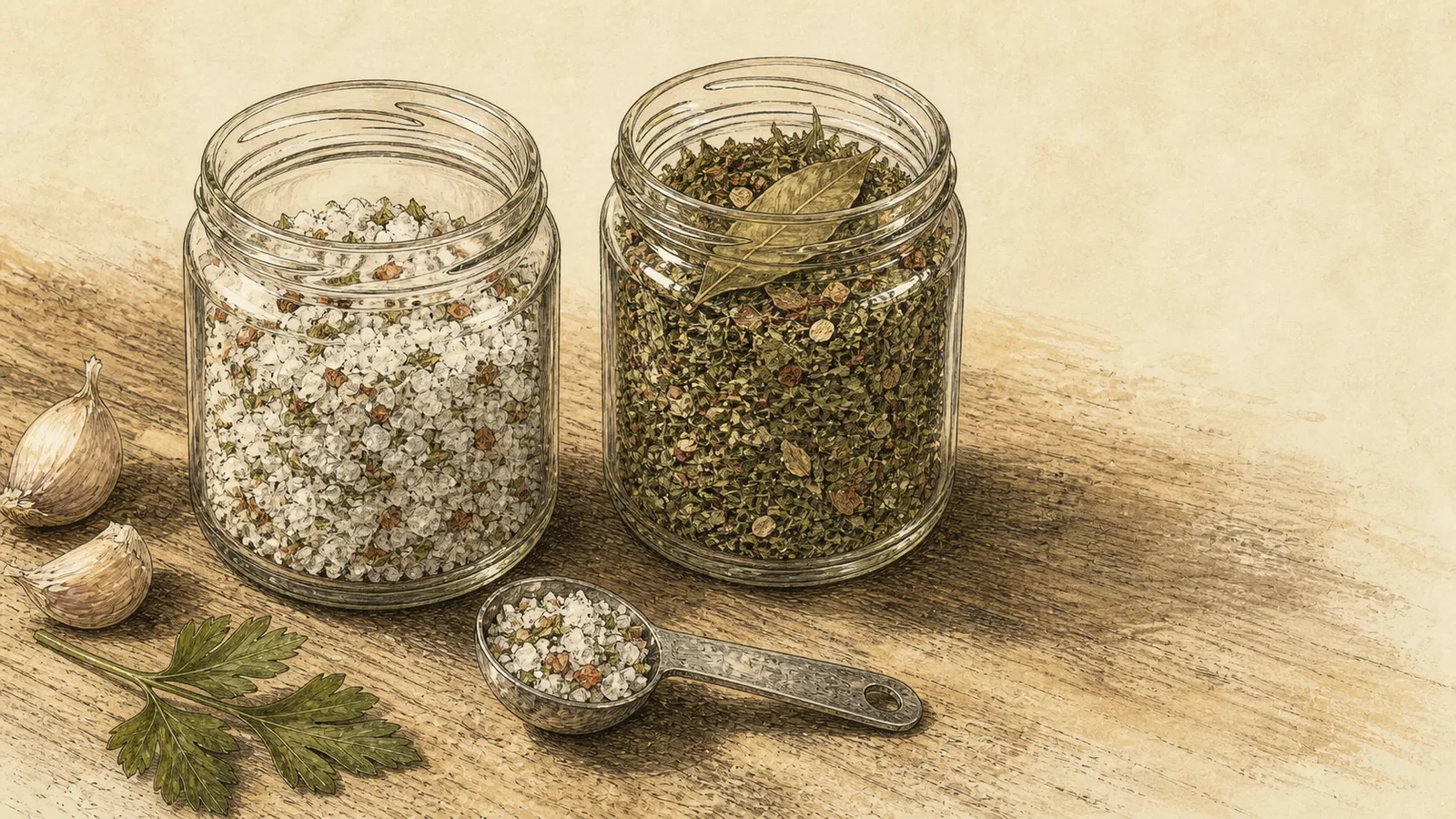
What Is Chimichurri Salt? Ingredients, Uses and Sauce Differences
Chimichurri salt seasons food by the pinch. See how it differs from dry chimichurri and fresh sauce, how to use it, and what the label can tell you.
Read the article →Get the next guide
An email when we publish a new salt guide or recipe, and first word when the Patagonian salts are ready to order.
We write when there is something to say, not on a schedule.