
What Is Asado? The Argentine Grill, Explained
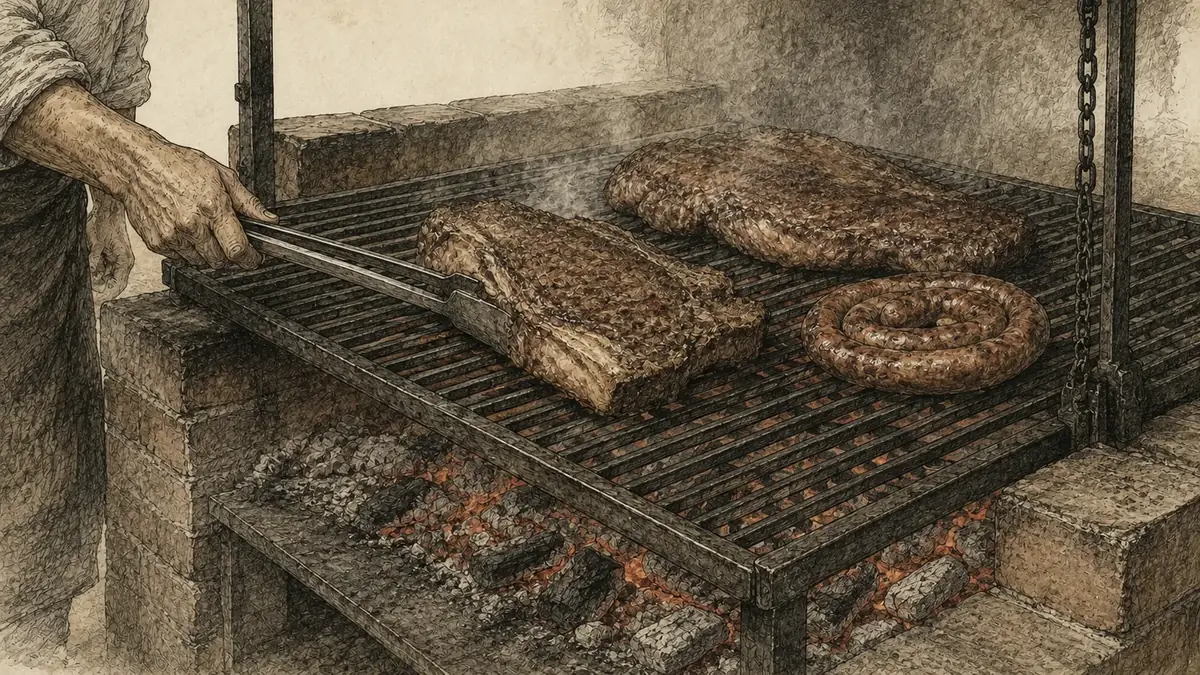
Asado is the Argentine tradition of cooking meat slowly over wood coals, and the name of the meal built around it. It is not a quick grill over high flame. One person, the asador, tends a fire until it collapses into embers, then cooks cuts of beef, sausages and offal at a patient distance from the heat over the course of an afternoon. The word covers the event, the method, and a specific rib cut, so context matters.
The fire is the whole thing
An asado starts with fire, not meat. Hardwood or charcoal is burned down until it glows and stops flaming, and only then are the coals raked under the grill. Cooking over live flame chars the outside and leaves the inside raw, which is exactly what the method avoids. The Instituto de Promoción de la Carne Vacuna Argentina traces the practice to the open-range cooking of the Pampas, where cattle were plentiful and time was not scarce.
The asador
Every asado has one asador, and the job carries weight. This person decides when the coals are ready, how far the meat sits from them, and when each cut comes off. It is not a group activity with many cooks. Guests bring wine, keep the conversation going and wait; the asador works the fire alone. The pace is deliberately slow, and rushing it is considered a mistake rather than efficiency.
What goes on the grill
A full asado moves through several stages rather than serving everything at once. Sausages such as chorizo and the blood sausage morcilla usually come first, followed by offal (the achuras) like mollejas and chinchulines, and then the larger beef cuts such as asado de tira and vacío. The sequence is customary rather than fixed, and it exists partly because the smaller items cook faster and keep guests fed while the big cuts take their time.
Salt, and not much else
The seasoning is usually restrained. Coarse salt applied to the surface is the standard, sometimes a coarse parrilla salt made for the grill, and sauces like chimichurri or salsa criolla sit on the table for those who want them. The tradition trusts good beef and good fire more than heavy seasoning, which is why a plain salted cut is not considered underdressed.
More than lunch
An asado is a way of spending an afternoon with people, and the food is the reason to sit at the table for hours. That social weight is part of why the meal is slow by design. If you are planning your first one, the practical lesson is simple: give yourself far more time than you think you need, and let the coals, not the clock, tell you when to cook.
Common questions
Both. Asado is the social event and the technique of cooking over wood coals, and asado de tira is also the name of a specific rib cut. Context tells you which one someone means.
Traditionally hardwood (leña) burned down to coals, though charcoal (carbón) is common and practical. The point is cooking over glowing embers, not over flame.
Hours, not minutes. Building and settling the coals alone can take 30 to 60 minutes, and the meat cooks slowly at a distance from the heat.
The one person who runs the fire and the grill for the whole meal. It is a role with real standing, and it is rarely shared.
No. It is common at the table, but plenty of asadores serve the meat with nothing but coarse salt and let the beef speak.
Sources
The Salt Guide
We are recording the salts on the American shelf one jar at a time — label, panel, price paid, crystal on white. Browse the guide →
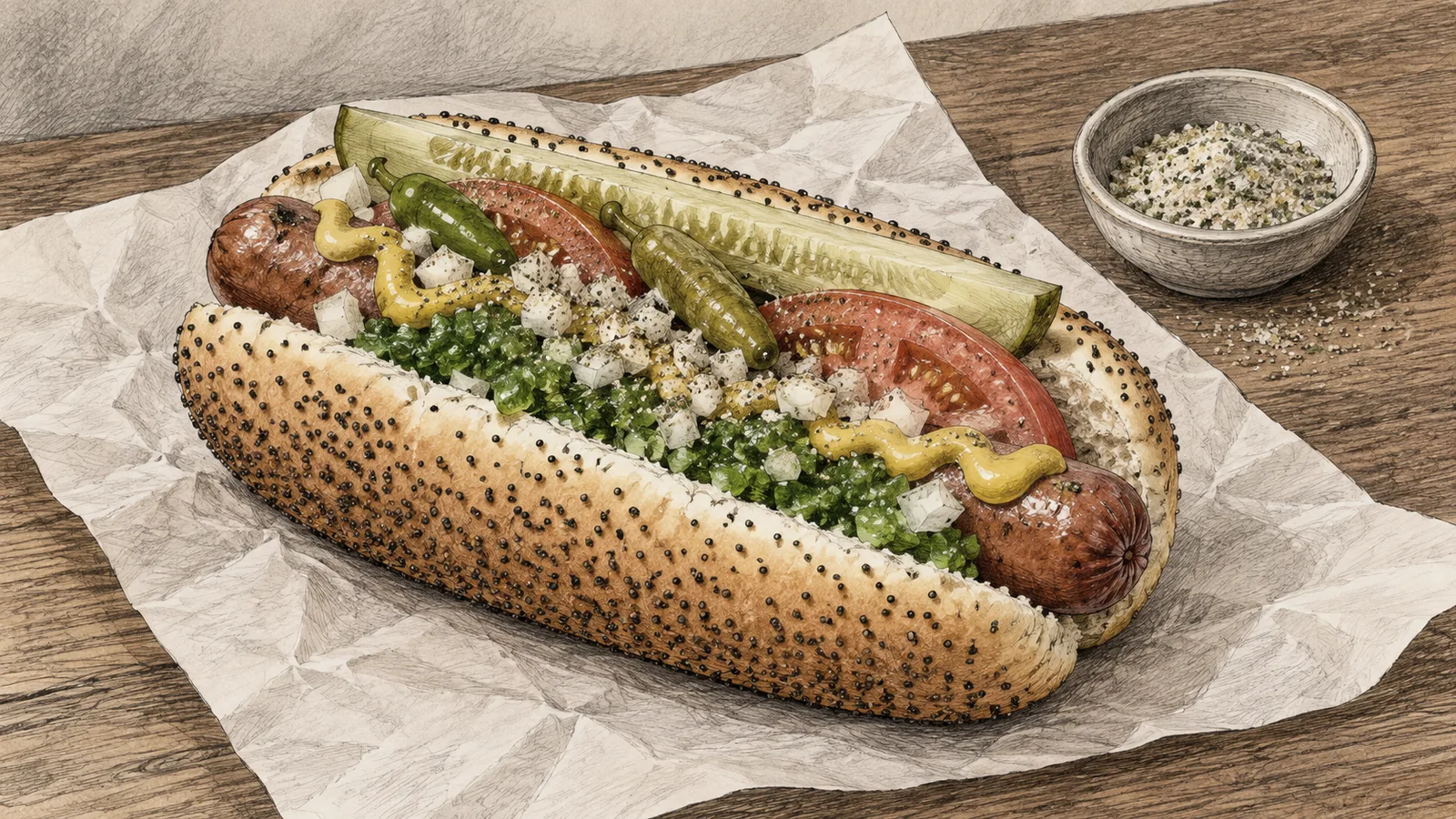
Celery Salt and the Chicago Hot Dog
Celery salt is salt and ground celery seed, not dried celery, and no maker publishes the ratio. It is the seventh and last topping on a Chicago dog, and the first ingredient in Old Bay.
Read the article →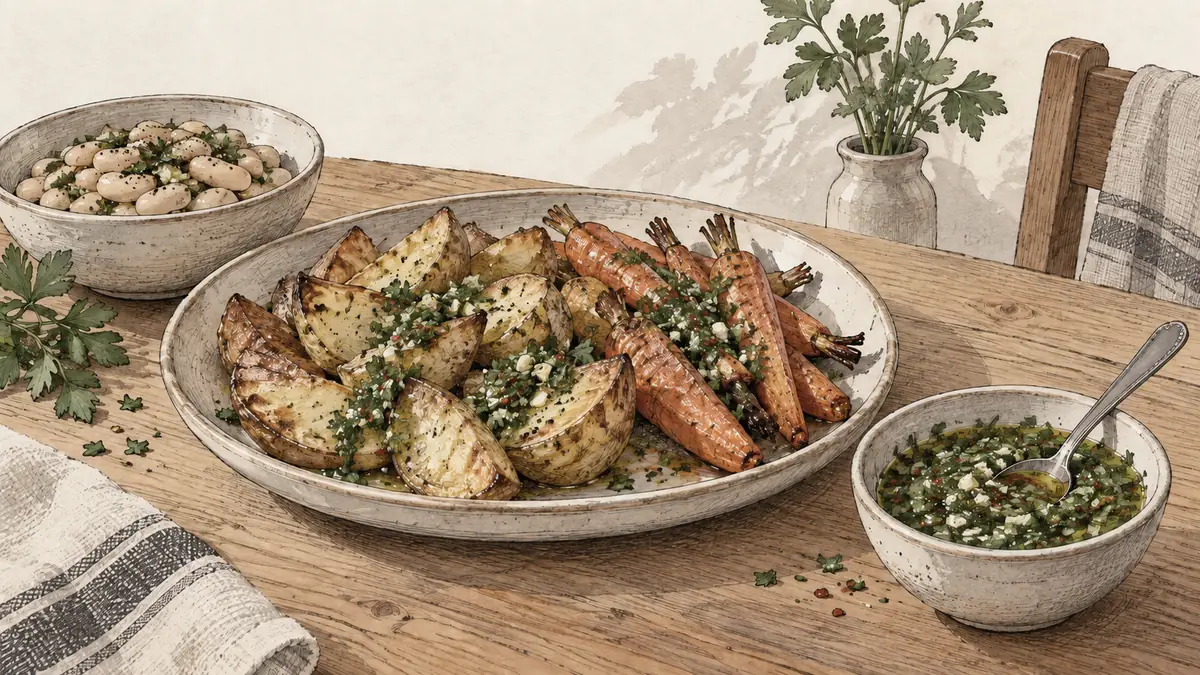
Chimichurri for Vegetables: When to Add It
Roasted potatoes, carrots and warm white beans. Three ways to bring chimichurri to the everyday table, with the sauce added after the heat.
Read the article →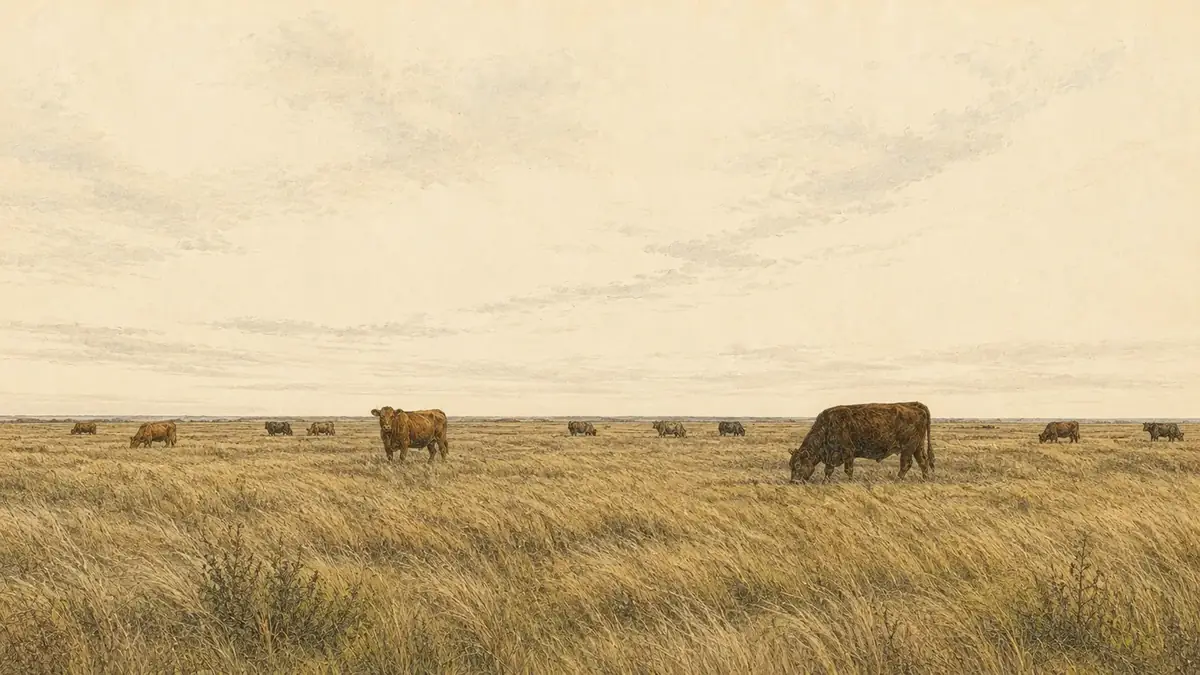
Is Argentine Beef Actually Grass-Fed?
Mostly grass-raised, increasingly grain-finished. What the pasture image gets right, what it misses, and what the feedlot numbers actually say.
Read the article →Get the next guide
An email when we publish a new salt guide or recipe, and first word when the Patagonian salts are ready to order.
We write when there is something to say, not on a schedule.