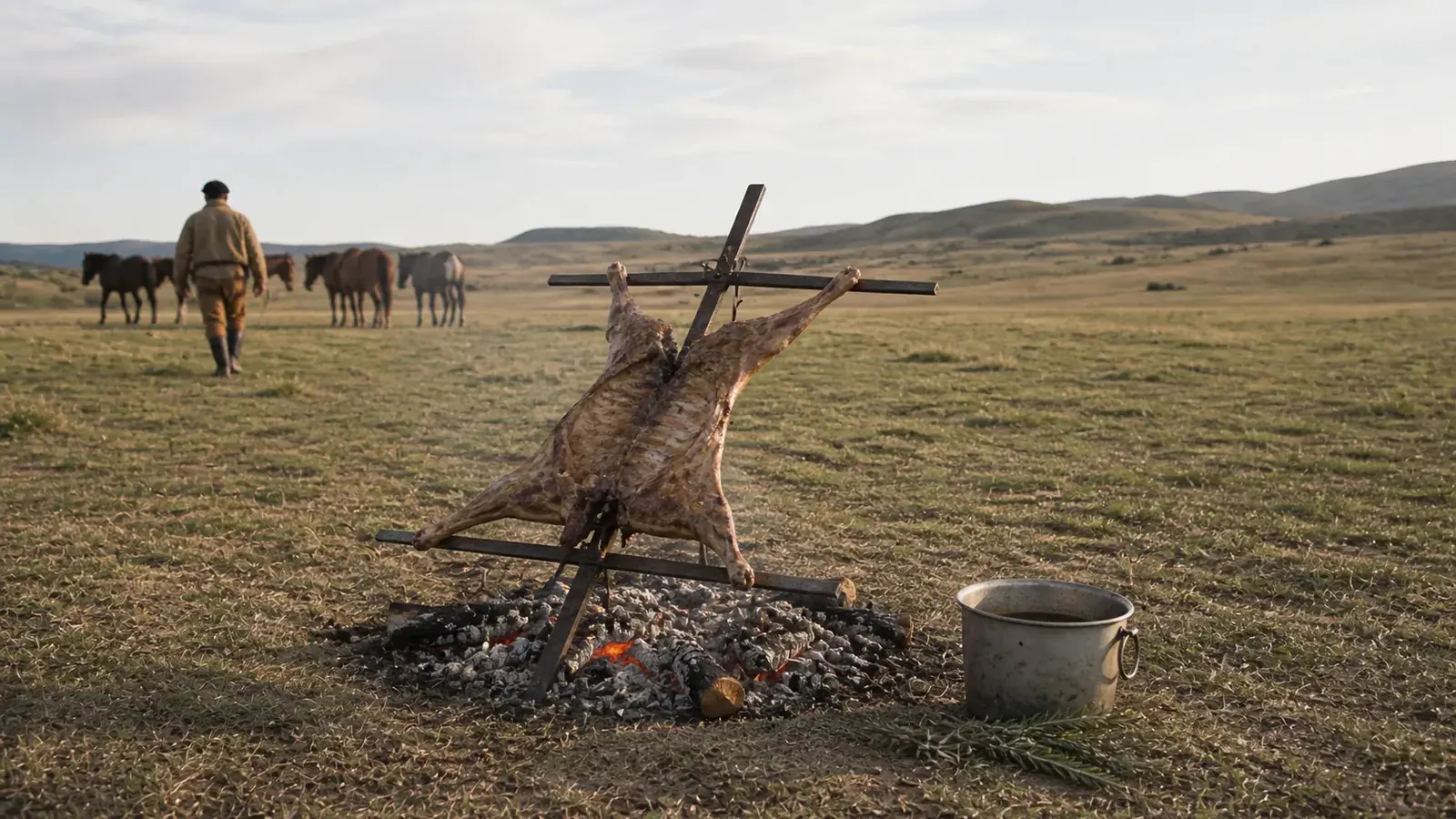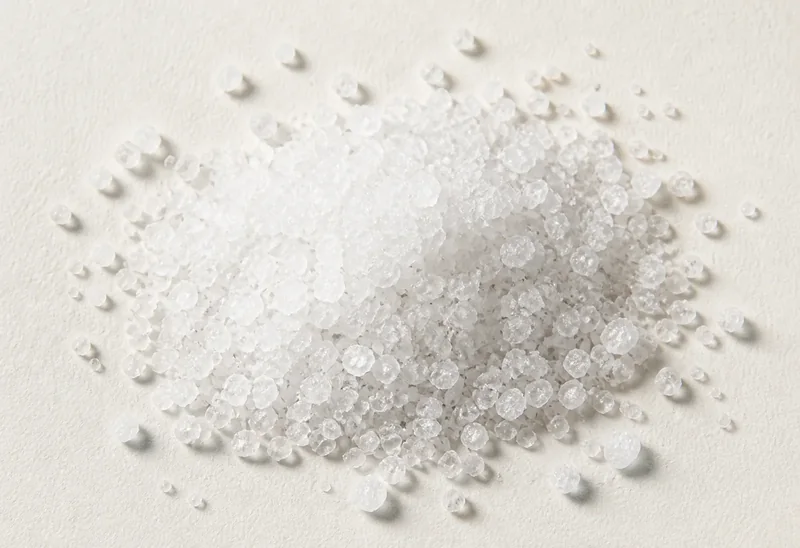
Ask an Argentine what goes on the meat and the answer is two words: sal gruesa. Coarse salt, thrown on generously, and nothing else — the crystals cling to the surface and season slowly as the fire works. This is that salt, from the Patagonian Atlantic, in the grain the tradition actually calls for.
By the fistful on anything going over fire. In the grinder. In pots of water for pasta and potatoes. A crust for whole fish.
Patagonian Atlantic sea salt.
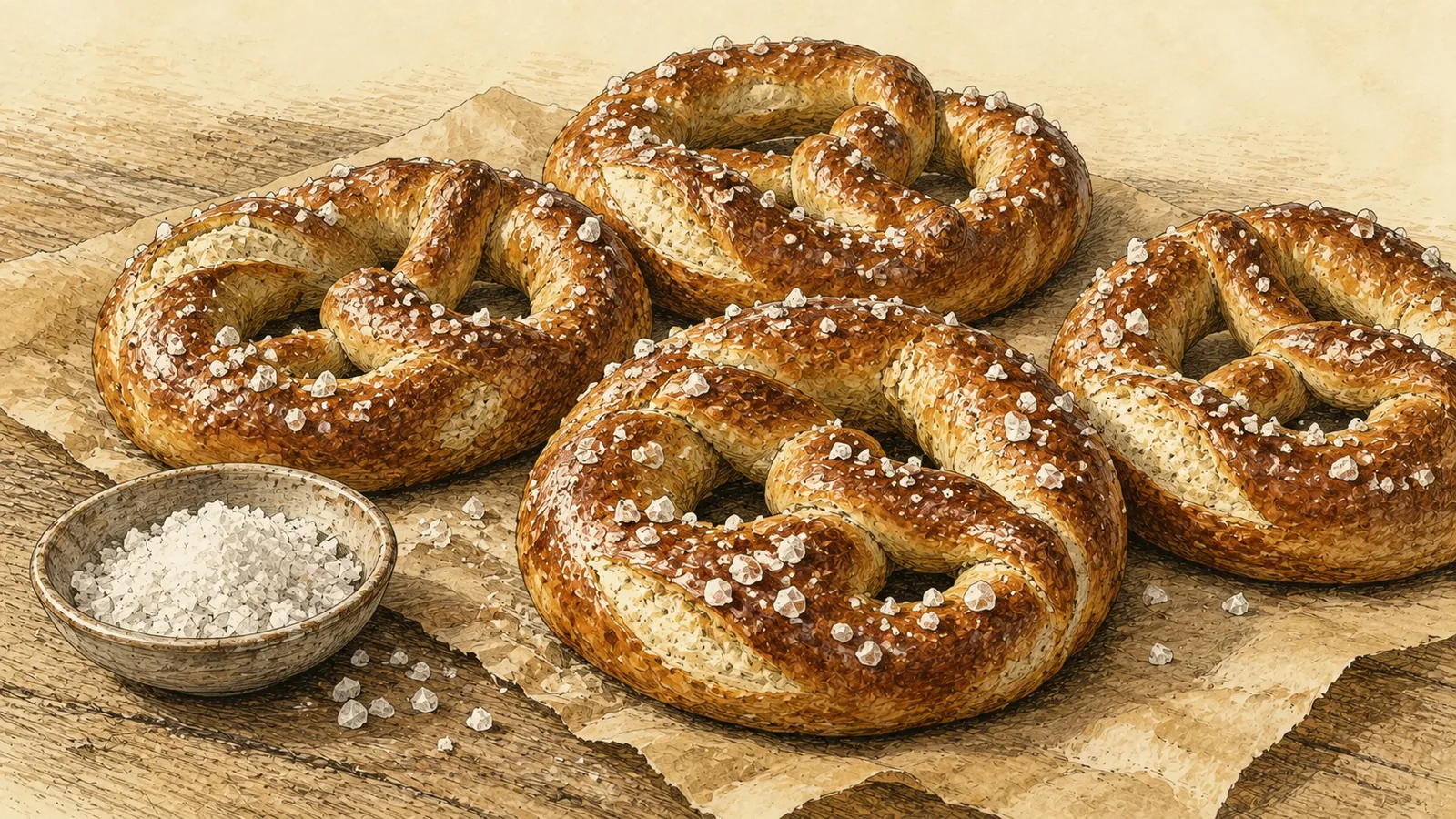
Pretzel salt is a coarse topping grade made to remain distinct on baked dough. Kosher salt can substitute at home, but its thinner flakes may dissolve or break more readily.
Read the guide →
Celery salt is salt and ground celery seed, not dried celery, and no maker publishes the ratio. It is the seventh and last topping on a Chicago dog, and the first ingredient in Old Bay.
Read the guide →