
Welsh Patagonia: The People Behind a Living Language
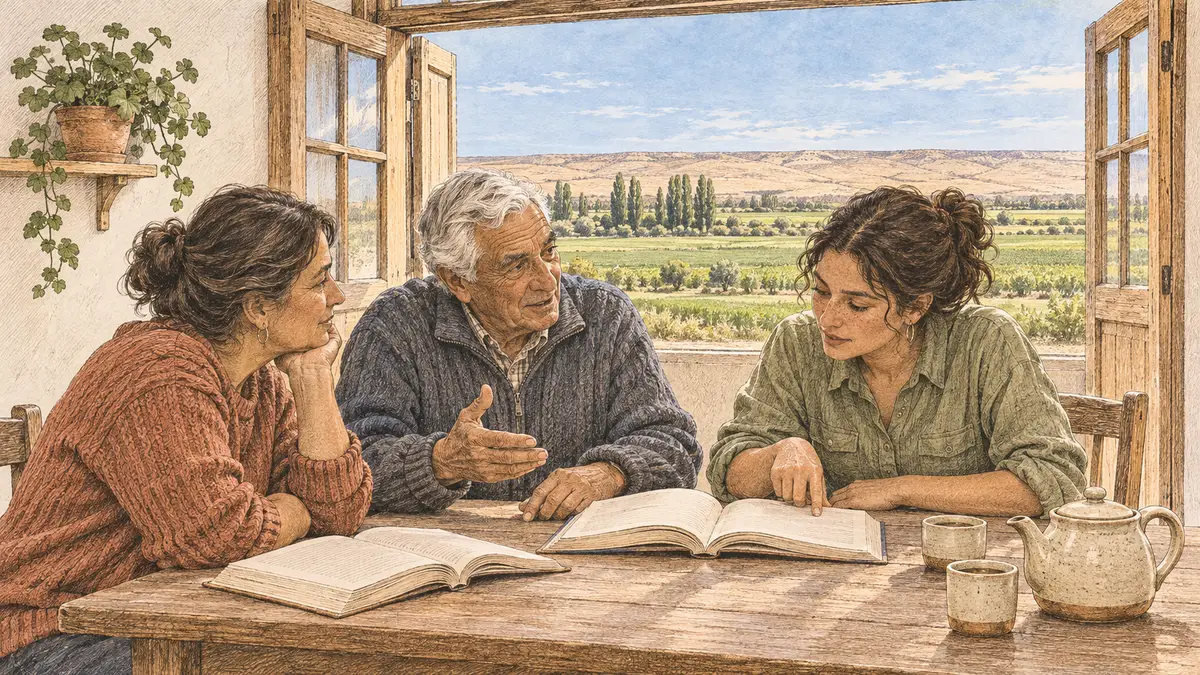
A Patagonian teaching Welsh in Wales might sound like a story with the map turned upside down. For language specialist Walter Ariel Brooks, it was part of his own life. His account offers a welcoming way into Welsh Patagonia: through the people who keep a language in use.
A journey made for a language
Writing for the British Council in 2018, Brooks described moving from Argentina to Wales and teaching Welsh to adults there. His family history reaches back to the nineteenth-century settlers in Chubut. The story is not simply about a European language travelling south; it also travels back, carried by Argentines.
The Welsh settlement, often called Y Wladfa, dates from 1865. The first group travelled aboard the Mimosa. Brooks explains the wish behind the migration: to build a community where Welsh could remain the language of daily life, away from the pressure of English. That aspiration helps explain why language, not just ancestry, remains central to the story.
The land was not empty
Welsh settlement was also settlement on Indigenous land. Historian Lucy Taylor's research on Welsh, Tehuelche and Mapuche relationships cautions against turning genuine moments of friendship into a story outside colonial power. Cultural vulnerability in Wales did not make colonisation in Patagonia disappear.
This is not a reason to stop exploring the Welsh connection. It is a reason to widen the conversation. Whose memories are being preserved, who is speaking, and what changes when a familiar arrival story is told by people already living there?
The National Library of Wales addresses that question directly. Its 2025 announcement of Problematising History: Indigenous Perspectives on Welsh Settlement acknowledges that its settler letters and diaries largely offer a Welsh viewpoint. The collaborative exhibition brings in reflections by Mapuche Tehuelche artists and perspectives from Indigenous communities in Chubut.
A living language takes everyday work
Welsh in Patagonia is not only an inheritance displayed at commemorations. The British Council's Welsh Language Project, established in 1997, supports teaching in Chubut. Its current description includes Welsh-Spanish bilingual primary schools, Welsh teaching at Coleg Camwy in Gaiman, adult learning centres and local teaching support.
That brings the story down to an approachable scale: lessons, books, conversations and people making time to learn. A living language needs opportunities to be used. The classroom matters alongside the anniversary, and a learner belongs in the picture alongside a founding family.
Follow more than one thread
Begin with Brooks's personal history of the language. Then explore the National Library's introduction to Indigenous perspectives and the Welsh Language Project.
These are different windows onto Chubut, not competing claims to a single tidy identity. For another Argentine story about people and public memory, meet María Remedios del Valle. For the meeting places of a different region, step inside the rural pulpería.
Sources & scope
Sources linked above; also People's Collection Wales: Early days in Patagonia for the Mimosa arrival, and Lucy Taylor's research abstract for the critique of a simple friendship narrative. Read November 23, 2026. This is researched cultural history, not firsthand travel reporting; no speaker count or current event schedule is claimed.
More people and places
- María Remedios del Valle: Remembering an Afro-Argentine Patriot — A life of service, a struggle for recognition, and a name that opens a wider history of Argentina.
- The Pulpería: Where Rural Argentina Came Together — Shopkeepers, travellers and neighbours behind a familiar image of the Argentine countryside.
The Salt Guide
We are recording the salts on the American shelf one jar at a time — label, panel, price paid, crystal on white. Browse the guide →
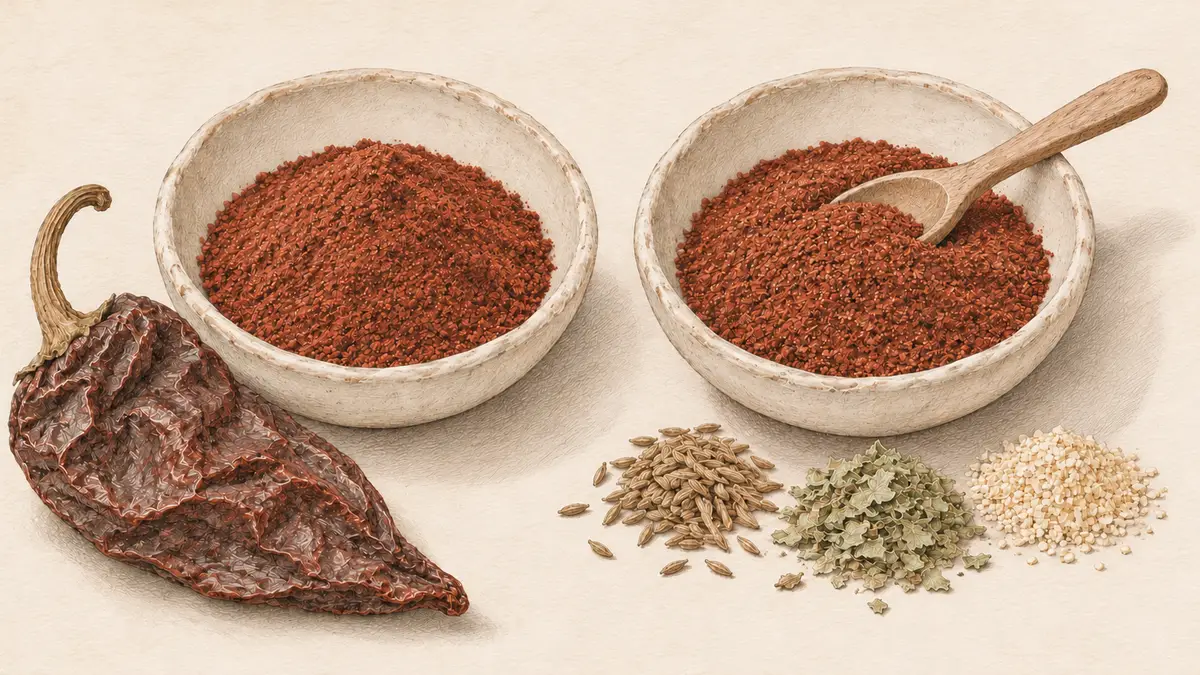
Chili Powder vs. Ground Chile: Read the Ingredient List
A seasoning blend and a named ground pepper can look alike while bringing different ingredients to dinner.
Read the article →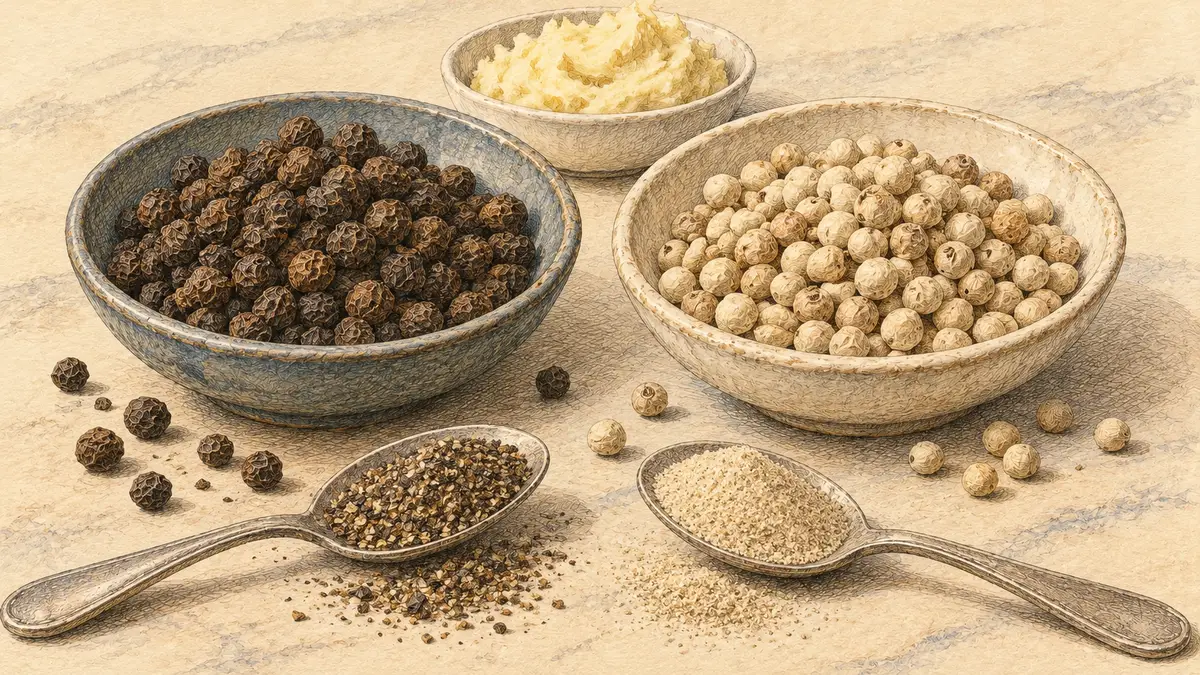
Black vs. White Pepper: More Than a Difference in Colour
The same plant, different preparation: what changes in the peppercorn, the grind and the dish.
Read the article →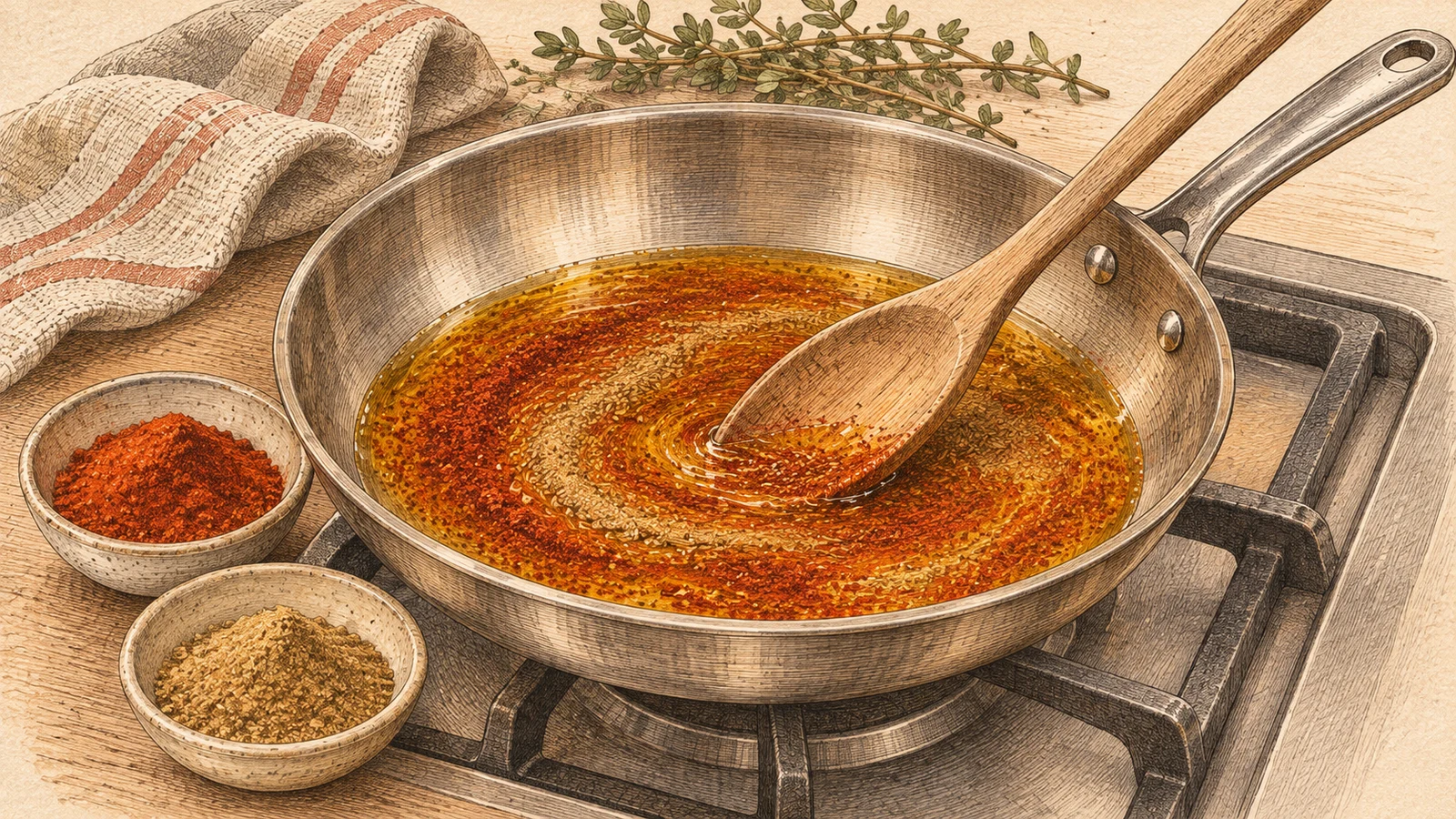
How to Bloom Spices Without Burning Them
What warming spices in oil does, how it differs from dry toasting, and why a seasoning blend needs its own instructions.
Read the article →Get the next guide
An email when we publish a new salt guide or recipe, and first word when the Patagonian salts are ready to order.
We write when there is something to say, not on a schedule.